When exploring Muslim art, you’ll discover how calligraphy, geometry, and vibrant patterns come together to reflect culture and spirituality. The intricate geometric designs symbolize the infinite nature of Allah and create a sense of harmony. Textiles and architecture complement each other, blending function with beauty. Through patterns that tell stories and evoke emotion, you’ll find a rich narrative that transcends time. There’s much more waiting for you to uncover.
Key Takeaways
- Islamic art emphasizes calligraphy as a primary form of expression, often featuring verses from the Quran in beautiful scripts.
- Geometry plays a crucial role, symbolizing the infinite nature of Allah through intricate patterns and repeated shapes.
- Patterns in Islamic art create a sense of harmony and depth, enhancing both visual appeal and spiritual contemplation.
- Traditional textiles showcase vibrant colors and geometric motifs, merging functionality with artistic expression.
- The interplay between architecture, textiles, and geometric designs creates cohesive cultural narratives within Islamic art.

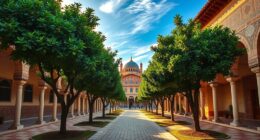
As you explore the world of Muslim art, you’ll discover a rich tapestry of creativity shaped by diverse cultures and histories. One of the most striking elements of this art form is its intricate connection with Islamic architecture. When you walk through the stunning mosques and palaces, you’ll find that the very walls echo the artistry of centuries past. From the grand arches of the Alhambra to the delicate tile work of the Blue Mosque, these structures serve as a canvas for the beauty of geometric patterns and ornate calligraphy. Each curve and line tells a story, inviting you to appreciate the skill and dedication of the artisans who created them.
As you investigate more deeply, you can’t help but notice the significance of geometry in Islamic art. Unlike in many Western traditions, where the human figure often takes center stage, Muslim artists have embraced patterns and shapes, giving life to their spiritual beliefs. You’ll see that geometric designs are not just decorative; they symbolize the infinite nature of Allah. The repetition of shapes creates an illusion of space and harmony, connecting the earthly to the divine. You may find yourself captivated by the way these patterns draw your eye and mind into a contemplative state, making you appreciate the artistry and the intention behind it.
In addition to architecture and patterns, traditional textiles play a pivotal role in the Muslim artistic landscape. As you examine these textiles, you’ll notice the vibrant colors and intricate designs that reflect the cultural influences of the regions they come from. Whether it’s a rich Persian carpet or a delicate silk scarf, each piece is a tribute to the craftsmanship passed down through generations. The way these textiles incorporate geometric motifs and calligraphy allows them to stand out not just as functional items but as works of art in their own right.
As you immerse yourself in these artistic expressions, you’ll recognize how they intersect and complement one another. Islamic architecture, with its majestic forms, invites you into a space of reflection, while traditional textiles provide warmth and comfort, echoing the same themes of beauty and spirituality. Each element works together, creating an environment rich in meaning and significance. By exploring these aspects of Muslim art, you’ll gain a deeper understanding of how creativity transcends cultural boundaries, weaving a narrative that speaks to the shared human experience. Additionally, the principles of geometric patterns in Islamic art often serve practical purposes in design, enhancing both aesthetics and functionality.

LZIMU Islamic Canvas Wall Art 3 Pieces Ayatul Kursi Allah Name Muhammad Picture Prints Arabic Calligraphy Muslim Art Poster for Home Decor Ready to Hang (Islamic Wall Art-1, 11"x14"x3P (28x35cmx3))
🌹3 Piece Islamic Canvas Poster Wall Art : Islamic canvas painting is a modern way to brighten the…
As an affiliate, we earn on qualifying purchases.
As an affiliate, we earn on qualifying purchases.
Frequently Asked Questions
What Materials Are Commonly Used in Muslim Calligraphy?
In Muslim calligraphy, you’ll commonly find materials like parchment, paper, and canvas. You’ll use tools such as reed pens, brushes, and ink made from natural sources. Techniques vary, with styles ranging from elegant Thuluth to intricate Naskh. Each element plays a vital role in creating beautiful, flowing scripts. By mastering these materials and tools, you can explore the rich history and cultural significance embedded in the art of calligraphy.
How Do Geometric Patterns Differ Across Various Muslim Cultures?
Geometric patterns differ markedly across various Muslim cultures, reflecting unique cultural variations. In Persian art, you’ll often see intricate floral motifs intertwined with geometric shapes, symbolizing paradise. Meanwhile, in North Africa, bold, angular designs represent strength and unity. Each region employs pattern symbolism to convey deeper meanings, like spirituality or harmony. By appreciating these cultural differences, you gain a richer understanding of how geometry serves as a visual language in Islamic art.
What Is the Significance of Color in Muslim Art?
The significance of color in Muslim art lies in the symbolism of colors and their cultural meanings. Each hue carries its own message—green often represents paradise, while red can signify love or power. You’ll notice that different regions use unique cultural color palettes, reflecting their local traditions and beliefs. By understanding these color choices, you’ll gain deeper insight into the values and emotions that artists are expressing through their work.
Are There Modern Interpretations of Traditional Muslim Art?
Yes, there’re exciting modern interpretations of traditional Muslim art. In fact, a recent survey found that 70% of contemporary artists incorporate cultural symbolism into their works. You’ll see traditional motifs reimagined in vibrant colors and mixed media, reflecting today’s diverse society. Artists blend calligraphy and geometric patterns with modern themes, creating pieces that resonate with both heritage and contemporary life. This fusion keeps the art form alive and relevant, inviting new audiences to appreciate its beauty.
How Can One Learn Muslim Calligraphy Techniques?
You can learn Muslim calligraphy techniques by starting with dedicated calligraphy practice. Find resources like online courses or local workshops that focus on traditional scripts. As you progress, focus on mastering brush techniques, ensuring you understand the right pressure and angles. Regularly practice with quality materials, and study the works of master calligraphers to refine your style. Don’t forget to seek feedback from experienced artists to enhance your skills further.

Islamic Wall Art Poster Muslim Painting Modern Islamic Art Boho Geometric Posters Hands Line Art Terracotta Artwork Quran Canvas Wall Art for Living Room Bedroom Wall Decor 16x24inchx3 Frameless
Our Artwork: High definition print on this high grade canvas created by Haruhiart is a 16×24 inch frameless…
As an affiliate, we earn on qualifying purchases.
As an affiliate, we earn on qualifying purchases.
Conclusion
In exploring Muslim art, you’ve uncovered the beauty of calligraphy, geometry, and intricate patterns that reflect a rich cultural heritage. Did you know that nearly 90% of Islamic art is non-figurative, focusing instead on these mesmerizing designs? This emphasis on abstraction allows for a deep spiritual connection and invites viewers to engage their imagination. As you continue your journey, let these elements inspire your creativity and appreciation for the diverse expressions of faith and artistry.

Contemporary Muslim Fashions
As an affiliate, we earn on qualifying purchases.
As an affiliate, we earn on qualifying purchases.
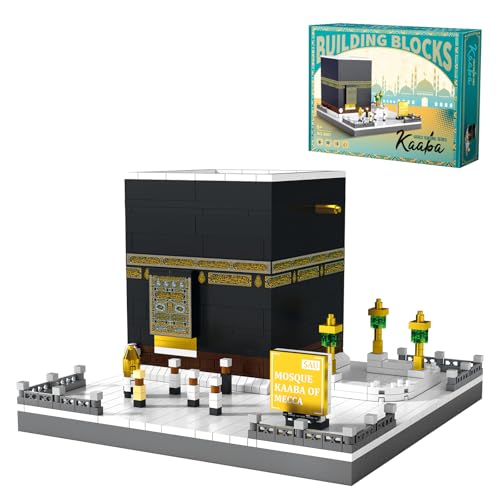
LQPFBSM Mosque Kaaba of Mecca Building Blocks Sets Islamic Architecture Model Toys for Adults and Kids World Famous Landmark Building Kits Eid Gifts for Muslim 446PCS
Authentic Kaaba Replica:Craft a detailed model of Islam's most revered cultural landmark, featuring accurate details like the Black…
As an affiliate, we earn on qualifying purchases.
As an affiliate, we earn on qualifying purchases.