Mental health in Muslim communities often faces cultural barriers and stigma that can prevent individuals from seeking support. You might feel isolated due to fear of judgment or misunderstanding, which only worsens mental health issues. Faith can play a significant role in your journey, providing comfort while also guiding you to seek professional help. By breaking down these barriers, communities can foster acceptance and open conversations about mental health, leading to effective support and healing. Discover more about these critical strategies and their impact.
Key Takeaways
- Addressing cultural barriers is crucial for Muslims to seek mental health support without fear of judgment or stigma.
- Faith-based counseling integrates spiritual beliefs with mental health care, fostering resilience and encouraging help-seeking behaviors.
- Community engagement and cultural sensitivity can help dismantle stigma, making mental health discussions more acceptable within Muslim communities.
- Promoting awareness about mental health can encourage individuals to seek support and normalize conversations around mental health challenges.
- Emphasizing the compatibility of faith and mental health care reassures individuals that seeking help is a strength, not a weakness.
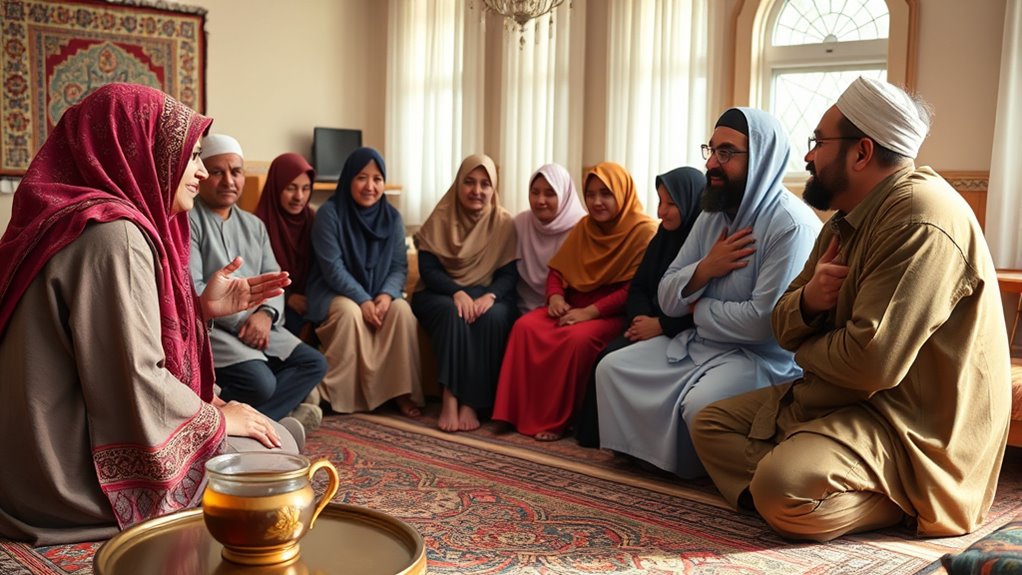
How often do we consider the unique mental health challenges faced by Muslim communities? It’s essential to recognize that cultural barriers can considerably hinder access to mental health services. Many Muslims may hesitate to seek help due to fears of judgment or misunderstanding, stemming from their cultural and religious backgrounds. These barriers can lead to feelings of isolation and exacerbate mental health issues. It’s important to understand that these individuals often grapple with the added complexities of balancing their faith with the stigma surrounding mental health.
Cultural barriers often prevent Muslims from seeking mental health support, leading to isolation and exacerbated issues.
Faith plays an indispensable role in the lives of many Muslims, and it’s not uncommon for them to turn to their spirituality for comfort and guidance. However, when facing mental health challenges, they might find themselves torn between seeking professional help and relying solely on their faith. This tension often arises from the belief that mental health issues are a sign of weakness or a lack of faith. By recognizing this struggle, you can better appreciate the importance of integrating faith-based counseling into mental health support.
Faith-based counseling can be a powerful tool for Muslims seeking help. It provides a safe space where individuals can discuss their mental health concerns while staying connected to their spiritual beliefs. Counselors who understand Islamic principles can bridge the gap between traditional mental health practices and the unique needs of Muslim clients. This approach reassures individuals that their faith is not at odds with seeking help; instead, it can be a source of strength and resilience.
Moreover, addressing cultural barriers is essential for creating effective mental health programs. Programs that incorporate cultural sensitivity can help dismantle the stigma surrounding mental health within Muslim communities. By promoting awareness and understanding, you can encourage more individuals to seek support. Community leaders and organizations play a pivotal role in this process. They can foster open conversations about mental health and emphasize that seeking help is not only acceptable but also encouraged.
It’s indispensable to recognize that mental health is a universal concern, regardless of cultural or religious background. By promoting faith-based counseling and addressing cultural barriers, you can contribute to a more supportive environment for Muslims facing mental health challenges. Together, we can work toward breaking the stigmas that surround mental health in these communities, allowing individuals to seek the help they need without fear or hesitation.

Islamic Pre Marriage Workbook For Couples: Faith‑Based Pre-marital Preparation & Counseling Questions & Reflection Journal for Muslim Couples Building a Healthy, Lasting Marriage
As an affiliate, we earn on qualifying purchases.
As an affiliate, we earn on qualifying purchases.
Frequently Asked Questions
How Can I Support a Friend Facing Mental Health Challenges?
You can support your friend by practicing empathy development and active listening. Start by creating a safe space for them to share their feelings without judgment. Show that you’re truly listening by maintaining eye contact and validating their emotions. Ask open-ended questions to encourage them to express themselves. Let them know you’re there for them, whether they need someone to talk to or just a comforting presence. Your support can make a real difference.
What Are Common Misconceptions About Mental Health in Islam?
You might think mental illness is a weakness, but it’s more like a storm cloud over a bright sun. Many believe Islamic beliefs discourage discussing mental health, yet Islam emphasizes compassion and support. Some assume faith alone can cure mental illness, ignoring the need for professional help. It’s essential to challenge these misconceptions, recognizing that seeking help is a sign of strength and aligns with the values of care and community in Islam.
Are There Specific Mental Health Resources for Muslim Women?
Yes, there are specific mental health resources for Muslim women that emphasize cultural sensitivity. You can find faith-based programs tailored to your needs, offering support in a safe environment. Many organizations provide counseling services that respect your beliefs and values, helping you navigate challenges unique to your experiences. Look for local community centers, online platforms, or support groups that focus on empowering Muslim women and fostering a sense of belonging.
How Can Faith Be Integrated Into Mental Health Treatment?
You can integrate faith into mental health treatment by exploring faith healing and spiritual counseling. Start by discussing your beliefs with a therapist who respects your faith. They can help you find ways to incorporate your spiritual practices, such as prayer or meditation, into your healing journey. This connection can empower you, providing comfort and guidance while addressing mental health challenges, ultimately fostering a holistic approach to your well-being.
What Role Does Community Play in Mental Health Recovery?
Community plays a essential role in your mental health recovery. When you engage with community support, you find a network that understands your struggles and can offer encouragement. Peer counseling can provide relatable insights and shared experiences, helping you feel less isolated. This connection fosters a sense of belonging, which is critical for healing. By participating in group activities or support networks, you can build relationships that enhance your overall well-being and resilience.

LifeSeasons Anxie-T – Stress Relief Supplement – Supports Mood & Mental Focus – Feel Calm and Relaxed – Eases Tension & Nervousness – Ashwagandha, Kava Kava, GABA & L-Theanine – 60 Capsules
Health Benefits – Anxie-T supports the body’s natural ability to deal with common symptoms of stress, including nervousness…
As an affiliate, we earn on qualifying purchases.
As an affiliate, we earn on qualifying purchases.
Conclusion
Just as a garden flourishes when nurtured with sunlight and water, so too can mental health thrive when we break the chains of stigma. By fostering open conversations and seeking support, you’re planting seeds of understanding in your community. Each shared story and act of compassion becomes a drop of rain, nourishing the soil of acceptance. Together, you can cultivate a vibrant landscape where mental well-being blossoms, allowing everyone to grow and thrive in harmony.

Decorably 18 Mental Health Awareness Posters for Kids, 8x10in Matte-Laminated Inspirational Mental Health Posters for Office – Classrooms, School Hallways, Bulletin Boards, Home Study Room
RAISE MENTAL HEALTH AWARENESS – Get 18 school social work office decor designed to raise awareness about mental…
As an affiliate, we earn on qualifying purchases.
As an affiliate, we earn on qualifying purchases.

Islāmically Modified Cognitive Behavioural Therapy (Islamic Psychology and Psychotherapy)
As an affiliate, we earn on qualifying purchases.
As an affiliate, we earn on qualifying purchases.