Halal cuisine in Africa presents a vibrant mix of culinary traditions, reflecting the continent’s rich cultural diversity. From the spicy stews of West Africa to the fragrant tagines of North Africa, each region adds its own flavor to halal dishes. This growing trend not only caters to Muslim communities but also attracts those seeking ethical food choices. As more businesses embrace halal practices, you might discover even more about the unique dishes that celebrate Africa’s culinary heritage.
Key Takeaways
- Africa’s halal food scene showcases diverse culinary traditions, with each region contributing unique flavors and ingredients to halal dishes.
- West Africa is known for its spicy stews, while North Africa offers fragrant tagines, highlighting regional culinary diversity.
- Halal practices emphasize the use of fresh, local ingredients, promoting healthier eating habits and sustainable sourcing across the continent.
- The growth of halal certification supports ethical standards in food production, appealing to both Muslim and non-Muslim consumers.
- Halal food fosters cultural pride and social cohesion, celebrating the rich diversity of African culinary traditions and community spirit.

Have you ever wondered how the concept of halal is shaping communities across Africa? As you explore the diverse cultures on the continent, you’ll find that halal isn’t just a dietary choice; it’s a way of life that influences social interactions, economic activities, and culinary traditions. The growing awareness and acceptance of halal standards are transforming local markets and food industries, creating a unique blend of Muslim culinary traditions with local flavors.
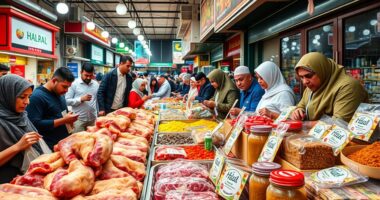
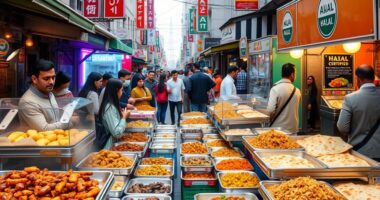
In many African countries, you’ll notice communities embracing halal practices that cater not only to Muslims but also to individuals who appreciate the quality and ethical considerations behind halal products. From street vendors in Morocco to upscale restaurants in South Africa, halal options are popping up everywhere. This shift has led to an increased demand for halal-certified products, which means businesses are investing in halal certification processes to meet these expectations. It’s exciting to see how entrepreneurs are stepping up to ensure compliance with these guidelines, bridging the gap between tradition and modern standards.
Halal practices are thriving across Africa, appealing to both Muslims and those who value ethical food choices.
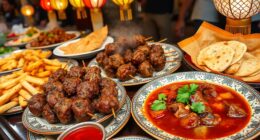
As you dive deeper into the culinary scene, you’ll discover the rich tapestry of flavors and dishes that reflect the diverse Muslim culinary traditions across Africa. Each region brings its own unique twist to halal food, whether it’s the spicy stews of West Africa or the fragrant tagines of North Africa. You’ll likely find that halal meals are often prepared with a focus on freshness and quality, showcasing local ingredients while adhering to halal guidelines. This not only promotes healthier eating habits but also encourages sustainable sourcing, benefiting local farmers and producers.
The halal certification processes play a crucial role in ensuring that food products meet specific standards, including the humane treatment of animals and the prohibition of certain ingredients. As you engage with local food markets or restaurants, you might notice the emphasis on transparency. Many businesses are enthusiastic to share their halal certification details, which builds trust with customers. This openness not only reassures the Muslim community but also attracts non-Muslim consumers who value ethical food practices.
Ultimately, as you witness the integration of halal into everyday life across Africa, you’ll see how it fosters community spirit and cultural exchange. It’s more than just food; it’s about identity, belonging, and embracing diverse culinary traditions. So, the next time you enjoy a halal meal, remember that you’re part of a broader movement shaping communities and celebrating the richness of African culture.
Top picks for "halal africa culinary"
Open Amazon search results for this keyword.
As an affiliate, we earn on qualifying purchases.
Frequently Asked Questions
What Countries in Africa Have the Largest Muslim Populations?
Countries in Africa with the largest Muslim populations include Egypt, Nigeria, and Algeria. You’ll find significant Muslim demographics in countries like Sudan and Morocco as well. These nations showcase a rich tapestry of religious diversity, with Islam being a major faith. When exploring these areas, you’ll notice how the local culture and traditions intertwine with religious practices, reflecting the unique identities of their communities. It’s fascinating to see how these elements coexist.
How Is Halal Certification Regulated in Different African Countries?
You’d think regulating halal certification in Africa is as straightforward as picking a ripe mango, but it’s not. Each country has its own unique rules, often with varying halal compliance and certification standards. Some nations have robust systems, while others leave you guessing. In a world where “halal” can mean anything from “blessed” to “maybe,” maneuvering these standards can feel like a culinary treasure hunt. Good luck finding that holy grail of certification!
Are There Any Famous Halal Dishes Unique to Africa?
Yes, Africa boasts several famous halal dishes that feature unique recipes and local spices. For instance, in Morocco, you can savor a delicious tagine, slow-cooked with aromatic spices like saffron and cumin. In East Africa, try the spicy biryani, often made with chicken or goat, infused with cardamom and cloves. These dishes highlight the continent’s rich culinary heritage while adhering to halal principles, offering a delightful experience for your taste buds.
What Challenges Do Halal Businesses Face in Africa?
Did you know that over 50% of Africa’s population is Muslim? You’ll find that halal businesses face several challenges, including cultural barriers and a fragmented supply chain. These issues can complicate sourcing halal-certified ingredients and reaching diverse markets. Additionally, inconsistent regulations across countries can hinder growth. By maneuvering these obstacles, you can help to promote halal offerings and foster a more inclusive culinary scene that caters to the continent’s diverse communities.
How Does Halal Tourism Impact African Economies?
Halal tourism considerably boosts African economies by attracting Muslim travelers who seek destinations that cater to their dietary and cultural needs. You’ll notice an increase in demand for halal-certified hotels, restaurants, and attractions, which creates jobs and stimulates local businesses. This influx of visitors contributes to economic growth, enhancing infrastructure and promoting cultural exchange. By embracing halal tourism, regions can diversify their economic activities and tap into a lucrative market, fostering sustainable development.
Conclusion
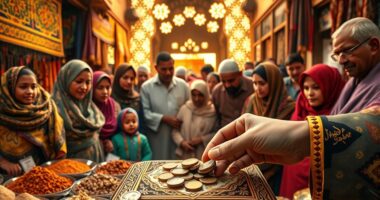
In Africa, halal isn’t just a dietary choice; it’s a vibrant tapestry woven from diverse cultural threads. Picture a bustling marketplace, where the aroma of spices fills the air, each dish telling a story of tradition and community. Just as the continent’s landscapes vary from deserts to lush forests, so too does its halal cuisine reflect a rich mosaic of flavors and influences. Embracing this diversity enriches not only our palates but our understanding of each other.