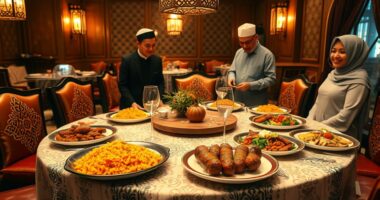
Hui Muslim food traditions in China showcase a unique halal cuisine that’s rich in flavor and cultural significance. You’ll find vibrant culinary festivals where lamb skewers and aromatic spices come to life. The community celebrates authenticity, with food prepared according to strict halal guidelines passed down through generations. This combination of immersive experiences and warm flavors reflects the Hui’s deep ties to their heritage. Discover more about the fascinating fusion of tradition and culinary artistry within this cuisine.
Key Takeaways
- Hui cuisine is a unique fusion of Chinese flavors and Islamic culinary practices, emphasizing halal food preparation and sourcing.
- Traditional Hui dishes often feature lamb, rice, and a variety of spices, reflecting the community’s rich cultural heritage.
- Culinary festivals celebrate Hui food with vibrant stalls, communal sharing, and sampling of authentic dishes, showcasing cultural pride.
- Strict adherence to halal guidelines ensures that ingredients are sourced and handled according to Islamic principles, preserving authenticity.
- Engaging with Hui cuisine offers insights into the spiritual and communal aspects of Muslim food traditions in China.

Have you ever wondered how diverse China’s culinary landscape can be? Among the many flavors and traditions, the Hui Muslim food culture stands out for its unique blend of taste and technique. The Hui people, known for their Islamic faith, have cultivated a distinctive culinary identity that’s deeply influenced by their religious practices. When you explore Hui cuisine, you’ll discover not just dishes, but a vibrant culture that celebrates food in communal and festive ways.
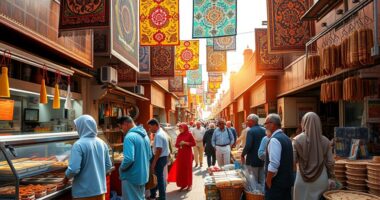
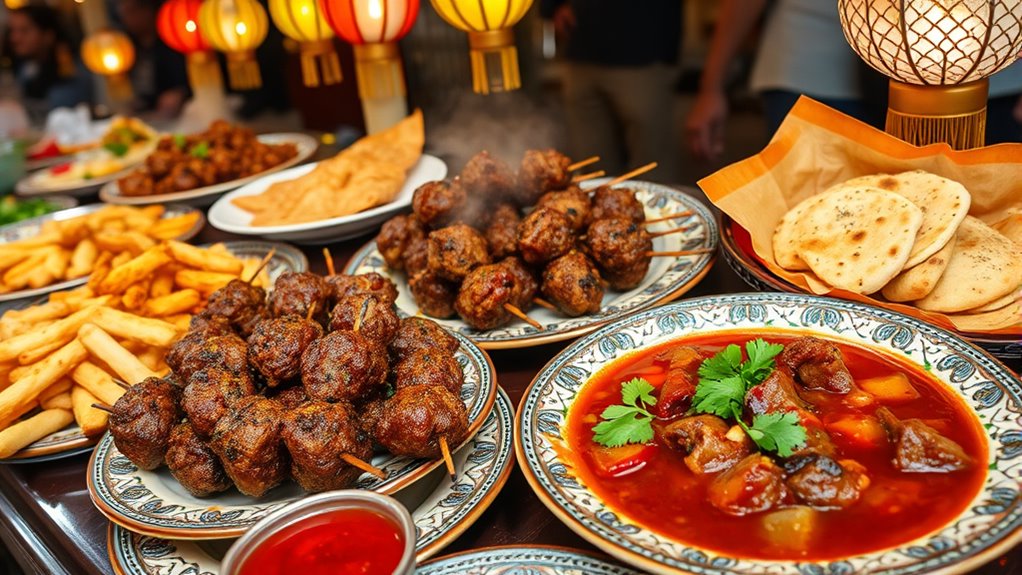
One of the most exciting aspects of Hui culinary culture is its dynamic Muslim culinary festivals. These festivals are more than mere celebrations; they’re a feast for the senses. You’ll find stalls brimming with beautifully prepared dishes, where the aroma of spices fills the air. During these festivals, it’s hard to resist sampling everything from tender lamb skewers to fragrant rice dishes, all prepared in accordance with halal guidelines. You’ll see families and friends gathered around tables, sharing meals that embody the spirit of community and tradition.
Experience the vibrant spirit of Hui culinary festivals, where tantalizing dishes and communal gatherings celebrate tradition and flavor.
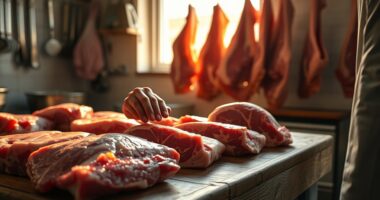
As you explore Hui cuisine, you can’t overlook the food preparation techniques that have been handed down through generations. Hui cooks often use specific methods to guarantee their dishes not only taste great but also adhere to Islamic principles. You might notice the emphasis on cleanliness and the meticulous way ingredients are handled. For instance, meat is sourced from halal suppliers, and every step in the preparation process respects religious requirements. This attention to detail is what makes Hui food so special.
You’ll also find that the use of spices is a hallmark of Hui cooking. The balance and blend of flavors showcase the culinary heritage of the region. Whether it’s the warmth of cumin in a lamb dish or the freshness of herbs like cilantro, these ingredients elevate every meal. You might even feel inspired to try replicating some of these dishes at home, experimenting with Hui food preparation techniques to bring a taste of this rich culture to your kitchen.
In essence, exploring Hui Muslim food traditions opens a window to a world where spirituality, community, and culinary artistry intertwine. The next time you encounter Hui cuisine, whether at a bustling festival or a quiet family gathering, remember that you’re not just tasting food; you’re experiencing a rich tapestry of culture and history. So go ahead, indulge your curiosity and your palate—it’s a journey worth taking.

Kabob Skewers 14" Stainless Steel Long BBQ Barbecue Skewers, Flat Metal Kebob Sticks Wide Reusable Grilling Skewers for Meat Chicken, Set of 12pcs with Storage Bag by JY COOKMENT
【PREMIUM QUALITY,STRONG ENOUGH】JY COOKMENT kabob skewers are made of food contact safe stainless steel material, rust proof and…
As an affiliate, we earn on qualifying purchases.
As an affiliate, we earn on qualifying purchases.
Frequently Asked Questions
What Are Common Ingredients Used in Hui Muslim Dishes?
Common ingredients in Hui Muslim dishes include lamb, beef, and chicken, often seasoned with unique spice blends like cumin and coriander. You’ll also find a variety of vegetables and legumes, offering plenty of vegetarian options. Noodles and rice often serve as staples, complementing the hearty flavors of the meat dishes. Don’t forget to try the handmade dumplings, which are a delicious way to experience the traditional tastes of Hui cuisine!
Are There Any Specific Cooking Methods Unique to Hui Cuisine?
Yes, Hui cuisine features specific cooking methods like traditional grilling and steaming techniques. When you grill, you’ll often use skewers to prepare lamb or beef, allowing the flavors to develop beautifully over an open flame. Steaming is another popular method, particularly for dumplings and buns, preserving the moisture and enhancing the dish’s taste. By incorporating these techniques, you create authentic Hui dishes that reflect their rich culinary heritage and cultural significance.
How Does Hui Cuisine Differ From Other Muslim Cuisines in China?
Hui cuisine’s harmonious blend of flavors and traditions sets it apart from other Muslim cuisines in China. You’ll notice Hui cultural influences, showcasing unique spices and techniques, especially in dishes like hand-pulled noodles. Additionally, regional ingredient variations introduce local tastes, giving Hui dishes a distinct profile. While other Muslim cuisines may emphasize different ingredients or cooking methods, Hui food marries tradition with local flair, creating a culinary experience that’s truly unique.
What Are Popular Desserts in Hui Muslim Food Traditions?
In Hui Muslim traditions, you’ll find delicious desserts like sweet rice balls and almond jelly. These treats feature traditional sweet flavors, often infused with ingredients like red bean and sesame. Dessert presentation is key, with visually appealing arrangements that highlight their cultural significance. You might also enjoy pastries filled with dates or nuts, showcasing the rich culinary heritage. Exploring these desserts offers a delightful glimpse into Hui culinary customs you won’t want to miss!
Where Can I Find Authentic Hui Restaurants in China?
You can find authentic Hui restaurants in cities like Xi’an, Beijing, and Lanzhou. Look for eateries that highlight Hui culinary history, often featuring dishes like hand-pulled noodles and lamb skewers. For recommendations, check local food blogs or apps; they often list the best spots. Don’t miss popular places like the Muslim Quarter in Xi’an, where you’ll experience a vibrant atmosphere alongside delicious, traditional Hui cuisine. Enjoy your culinary adventure!

June Street Market 10 Piece Essentials Kitchen Starter Gift Set: Spices with Trilingual Labels (English, Spanish, Arabic) Includes Recipe Cards, Perfect for Cooking, Baking, or Gifting
Essential 10-Spice Collection: Includes garlic powder, onion powder, chili powder, paprika, crushed red pepper, seasoned salt, Italian seasoning,…
As an affiliate, we earn on qualifying purchases.
As an affiliate, we earn on qualifying purchases.
Conclusion
In the world of culinary exploration, “variety is the spice of life,” and halal cuisine in China showcases this beautifully. The Hui Muslim food traditions bring a unique blend of flavors and cultural richness that’s worth savoring. From aromatic lamb dishes to hearty noodles, these foods tell stories of history and heritage. So, the next time you seek something new, immerse yourself in the vibrant world of halal cuisine and discover the delightful tastes waiting for you.

AAOBOSI Meat Grinder Electric 3000W Max with Touch Color Screen, Auto-Reverse & Built-in Storage – 3 Speed Settings,Grinding, Sausage & Kibbe Making for Home Use, Stainless Steel
Smart Touch Color Screen & Auto-Reverse Function: Aobosi electric meat grinder features a smart touch color screen for…
As an affiliate, we earn on qualifying purchases.
As an affiliate, we earn on qualifying purchases.

Tiger JAZ-A18U-FH 10-Cup (Uncooked) Rice Cooker and Warmer with Steam Basket, Floral White
Easy to Use Simple Switch Button Rice Cooker
As an affiliate, we earn on qualifying purchases.
As an affiliate, we earn on qualifying purchases.