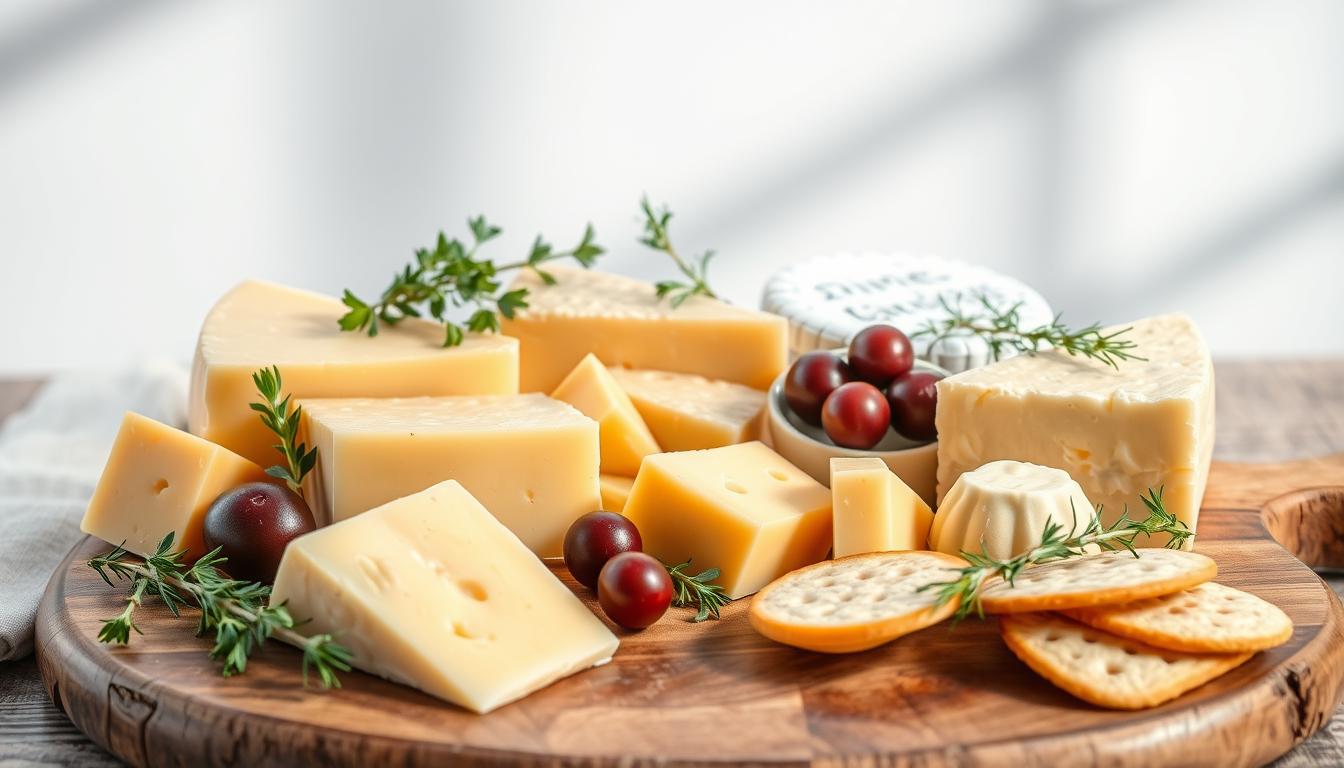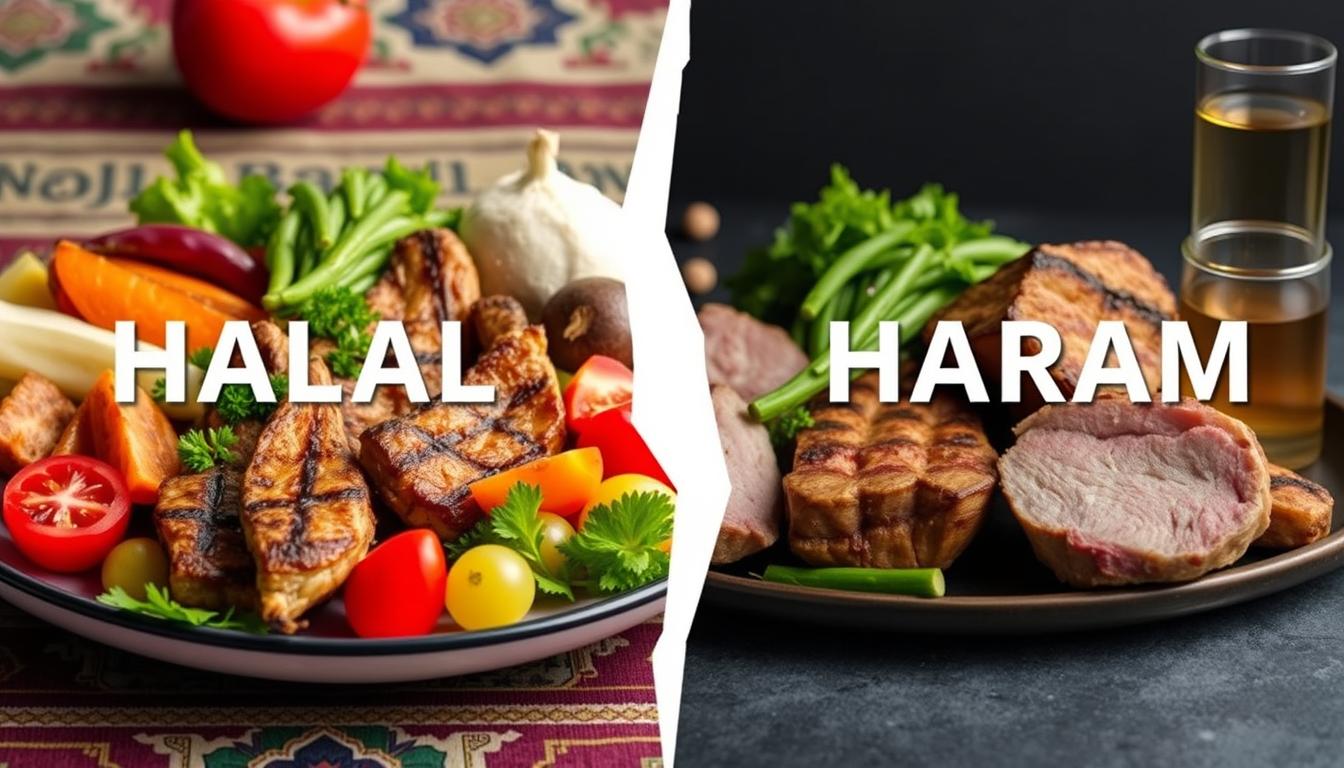
Halal cuisine’s influence on global gastronomy is significant. It fosters cultural integration and celebrates diversity by blending traditional flavors with local ingredients. You’ll find innovative dishes like gourmet halal burgers and vegan options. Plus, halal practices promote ethical sourcing and sustainability, appealing to conscious consumers. The rise of halal eateries in urban hubs enhances community bonding and cultural exchange. Keep exploring to understand how this culinary movement impacts food scenes around the world.
Key Takeaways
- Halal cuisine promotes cultural integration, showcasing diverse culinary traditions and fostering acceptance across various cultures in global gastronomy.
- The incorporation of traditional flavors and local ingredients enriches dining experiences while adhering to halal dietary principles.
- Culinary innovation within halal food, including gourmet and vegan options, attracts both Muslim diners and broader food enthusiasts, expanding its influence.
- Urban centers with significant Muslim populations serve as culinary hubs, enhancing community bonds and facilitating cultural exchange through halal offerings.
- Halal practices emphasize ethical sourcing and sustainability, aligning with modern consumer values and promoting conscientious dining habits.
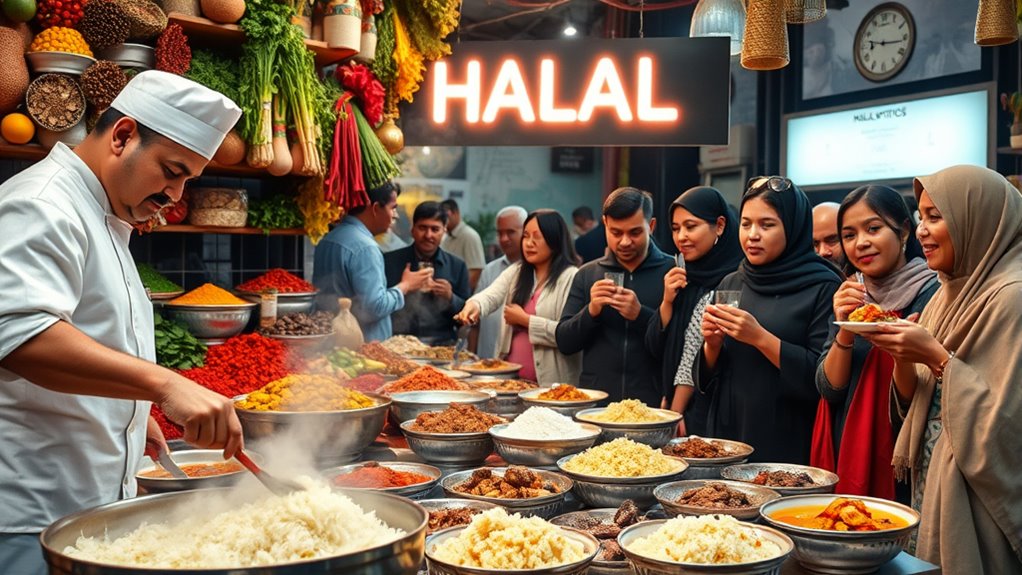
As the world becomes more interconnected, halal cuisine is making waves in global food culture. You might notice that restaurants and markets across the globe are increasingly featuring halal options. This shift isn’t just about accommodating dietary restrictions; it’s a testament to cultural integration and culinary innovation. By embracing halal cuisine, you’re part of a movement that celebrates diversity and fosters understanding among different cultures.
Halal cuisine is a vibrant celebration of diversity, cultural integration, and culinary innovation in our interconnected world.
When you think about halal food, it’s essential to recognize its roots in Islamic dietary laws. However, halal is more than just a set of rules; it’s a gateway to exploring rich traditions and flavors. As you try various halal dishes, you’ll likely discover how they blend with local ingredients and culinary practices. This fusion results in unique offerings that enhance your dining experience while respecting the principles of halal.
One of the most remarkable aspects of halal cuisine is its adaptability. Chefs worldwide are experimenting with halal ingredients, creating innovative dishes that cater to a broad audience. You’ll find gourmet halal burgers, artisanal pizzas, and even vegan options that adhere to halal standards. This culinary innovation not only appeals to Muslim diners but also attracts food lovers who appreciate new flavors and experiences. It’s a delightful way for you to engage with diverse culinary traditions while enjoying meals that align with ethical eating habits.
As you explore halal cuisine, you’ll also witness its role in cultural integration. Cities with significant Muslim populations are leading the way in showcasing halal food, turning them into vibrant culinary hubs. Whether you’re in London, New York, or Kuala Lumpur, you’ll encounter a dynamic mix of halal eateries that reflect the local culture while honoring Islamic traditions. These spaces become melting pots where people from all backgrounds come together, breaking down barriers and fostering a sense of community.
You might also find that halal cuisine encourages conversations about sustainability and ethical sourcing. Many halal producers focus on humane animal treatment and environmentally friendly practices. This emphasis on ethical food production resonates with a growing number of conscious consumers, allowing you to enjoy meals that reflect your values. Additionally, embracing mindful consumption habits in dining choices can further support global sustainability efforts.

Impossible Burger Patties – 19g of Protein – No Animal Hormones and Antibiotics – Gluten Free Certified – Halal, 4 -Pack (1/4lb Each) Ready Set Gourmet Donate a Meal Program
Tastes like ground beef. Perfect solution for dinner in busy nights
As an affiliate, we earn on qualifying purchases.
As an affiliate, we earn on qualifying purchases.
Frequently Asked Questions
What Are the Main Principles of Halal Dietary Laws?
The main principles of halal dietary laws include ethical slaughter, ensuring animals are treated humanely and sacrificed in a specific manner. You should also be aware of dietary restrictions, which prohibit certain foods like pork and alcohol. Halal guidelines emphasize cleanliness and wholesome ingredients, promoting health and wellness. When you follow these principles, you align your eating habits with cultural and spiritual beliefs, contributing to a more mindful approach to food consumption.
How Does Halal Cuisine Differ From Kosher Cuisine?
Halal cuisine and kosher cuisine differ primarily in meat preparation and dietary restrictions. You’ll find that halal allows for certain types of meat, like chicken and lamb, while kosher has specific rules about which animals can be eaten, including that they must be slaughtered in a particular way. Additionally, halal doesn’t mix dairy and meat, but kosher strictly prohibits it. Each tradition emphasizes cleanliness, but they approach it with unique guidelines.
Are There Halal Certifications for Restaurants Worldwide?
Yes, there are halal certifications for restaurants worldwide. Many countries have established global halal standards to guarantee food meets Islamic dietary laws. When you’re looking for a halal restaurant, check for certifications from recognized bodies that assure compliance with these standards. This helps you enjoy your meal with confidence, knowing it adheres to halal principles. Always ask about their certification if you’re unsure, as it varies by location and certifying organization.
What Are Common Misconceptions About Halal Food?
Many folks think halal food is just about being meat-free, but that’s not true. In fact, a study showed that over 60% of consumers misunderstand halal food safety regulations. Halal ingredient sourcing is vital, ensuring all components meet specific standards. Some also believe halal means lower quality, but it often promotes higher standards in preparation and sourcing. By debunking these myths, you can appreciate the true essence of halal cuisine.
How Can I Find Halal Food Options While Traveling?
To find halal food options while traveling, start by using apps or websites dedicated to halal food accessibility. You can search for local halal restaurants, markets, or food trucks in your destination. Don’t hesitate to ask locals for recommendations—they often know hidden gems. Additionally, many hotels can help you locate halal dining nearby. By planning ahead, you’ll make certain you have plenty of delicious traveling halal options during your trip!

Hearthy Foods Agar Agar Powder (4oz) Vegan Gelatin Substitute, Certified Halal, Kosher, Gluten-free, Non-GMO, 100%, Sugar-free, Kosher, Halal, Desserts, 100% Natural Red Algae
Premium Agar Agar Powder: Our 4 oz Agar Agar powder is derived from the finest red algae, ensuring…
As an affiliate, we earn on qualifying purchases.
As an affiliate, we earn on qualifying purchases.
Conclusion
In conclusion, halal cuisine’s flavorful fusion fosters a fresh face for global gastronomy. By embracing diverse dishes and distinct dining experiences, you’ve opened your palate to a rich tapestry of tastes. As halal food continues to gain momentum, it bridges cultures and brings people together, creating a delicious dialogue across the dining table. So, immerse yourself in this delightful culinary adventure, and let the tempting tastes of halal cuisine tantalize your taste buds!

Ninja Artisan Outdoor Pizza Oven, 12-inch, 3-minute Pizza, Neapolitan, Thin Crust, New York Chicago, Custom, 700F Max Temperature, Electric Heat, Bake, Broil, Proof, Warm, MO201
5-IN-1 FUNCTIONALITY: The ultimate outdoor sidekick for all your backyard entertainment; pizza, bake, broil, warm & proof.
As an affiliate, we earn on qualifying purchases.
As an affiliate, we earn on qualifying purchases.
halal food preparation utensils
As an affiliate, we earn on qualifying purchases.
As an affiliate, we earn on qualifying purchases.