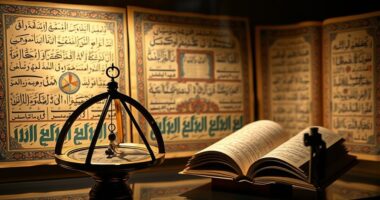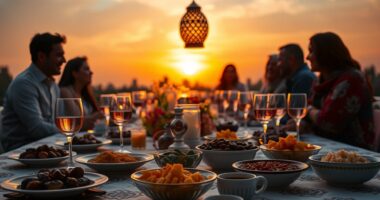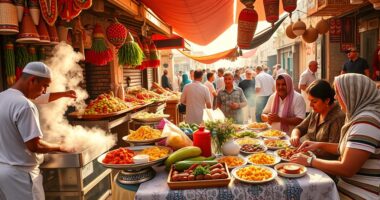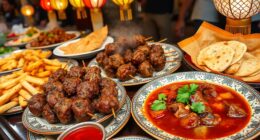
Historic caravanserais were key early halal hospitality hubs along trade routes. They provided shelter and safety for travelers, while respecting dietary laws and offering halal food. These spaces weren’t just resting points; they facilitated cultural exchange and shared values among diverse communities. As you stop to rest, you’re also part of a rich tradition that shaped commerce and cooperation. Keep exploring to uncover more about these remarkable places and their lasting impact on history.
Key Takeaways
- Caravanserais provided safe, welcoming spaces for travelers, enabling them to adhere to halal dietary practices during their journeys.
- These hubs facilitated cultural exchange and community building among diverse groups through shared hospitality and halal food preparation.
- Architectural designs of caravanserais showcased regional craftsmanship while serving practical needs like stables and communal areas for rest.
- They played a crucial role in the spread of Islam by promoting halal practices and reinforcing cultural identity among travelers.
- Historic caravanserais remain significant as landmarks of resilience, trade connection, and cultural preservation in the history of hospitality.
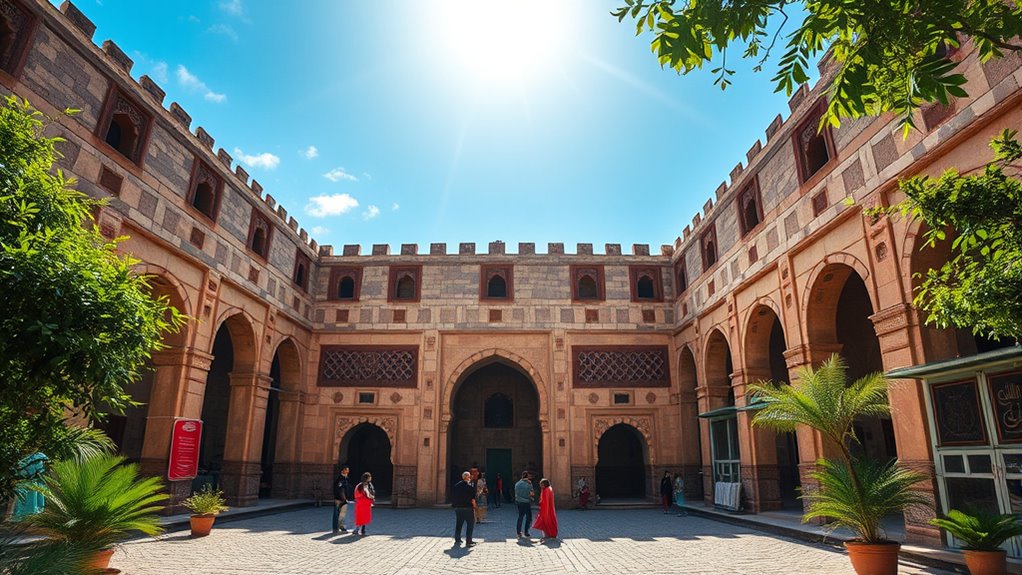
Have you ever wondered what travelers did centuries ago when they journeyed across vast deserts and rugged mountains? Imagine the long, dusty roads stretching endlessly, where caravans of merchants and pilgrims braved the elements, carrying goods and stories. In this world, caravanserais emerged as essential stops along these trade routes, providing not just shelter but an indispensable sense of community and cultural exchange. These ancient inns played a pivotal role in the development of commerce and hospitality, shaping the landscapes of the regions they adorned.
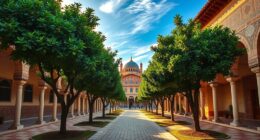
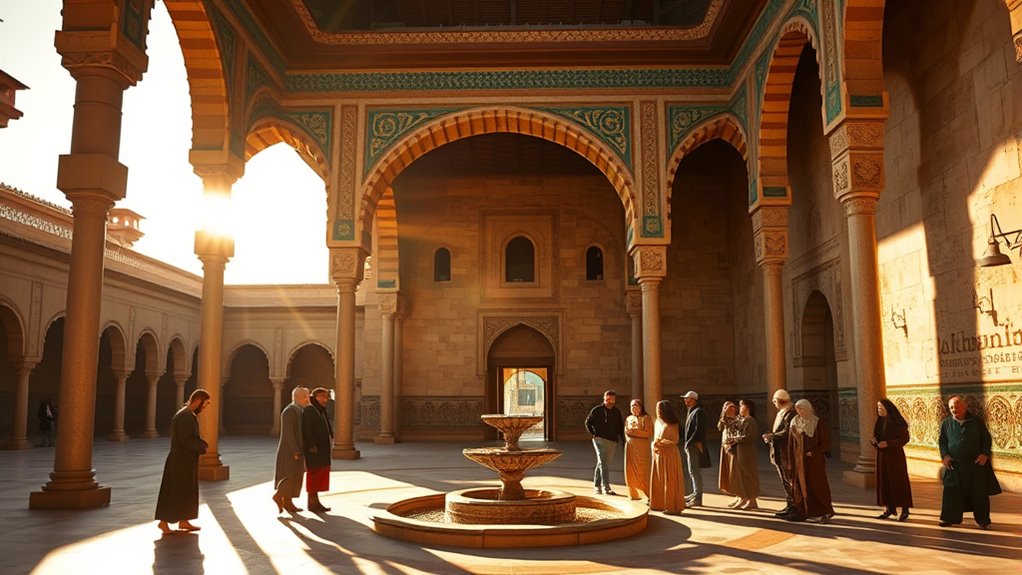
Caravanserais were more than just places to rest; they were architectural marvels that reflected the styles of their time. You’d find intricate stone carvings, towering arches, and beautifully tiled facades, each telling a story of the artisans who designed them. Whether you were in Persia, Turkey, or North Africa, the architectural styles varied yet shared a common purpose: to accommodate weary travelers. As you stepped inside one of these structures, you’d notice spacious courtyards, stables for camels, and rooms that offered a warm welcome. They were designed with functionality in mind, ensuring safety and comfort in an era when traveling was fraught with danger.
Caravanserais were architectural wonders, offering weary travelers safety and comfort while showcasing intricate designs and rich cultural stories.
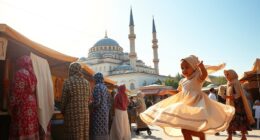
The significance of these caravanserais extended beyond their physical presence. They served as pivotal nodes along trade routes, facilitating the movement of goods—silks, spices, and precious metals. By offering a reliable place to rest, they encouraged trade and commerce to flourish. You might find yourself exchanging stories with fellow travelers while enjoying a meal prepared with care. The blending of cultures in these hubs fostered a unique atmosphere where ideas and traditions flourished.
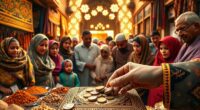
As you explore deeper into history, you realize that caravanserais were indispensable to the spread of Islam and the establishment of halal practices. They provided a space for travelers to adhere to their dietary laws, ensuring that food was prepared in accordance with their beliefs. In fact, the concept of halal food played a crucial role in fostering community among diverse travelers who sought to maintain their cultural identities. It wasn’t just hospitality; it was a way of life that emphasized respect, community, and shared values.
In essence, caravanserais stand as a testament to human resilience and ingenuity. They were more than mere resting places; they were the heartbeat of trade routes, architectural gems, and cultural bridges that connected distant lands. So next time you think of travel, remember the caravanserais and the indispensable role they played in shaping our world.

BUYUE Travel Neck Pillows for Airplanes, 360° Head Support Sleep for Long Flight, Skin-Friendly & Breathable, Kit with 3D Contoured Eye Mask, Earplugs and Storage Bag (Adult, Grey, 90+ lbs)
✦ Enhanced Neck Support & Adjustable Size ✦The patented ergonomic travel pillow features a unique triple support system…
As an affiliate, we earn on qualifying purchases.
As an affiliate, we earn on qualifying purchases.
Frequently Asked Questions
What Were the Architectural Features of Caravanserais?
Caravanserais featured impressive architectural elements, like medieval arches that supported their structures, creating a sense of grandeur. You’d notice their courtyard design, which provided a central open space for rest and socializing. These courtyards often included fountains and gardens, enhancing the atmosphere. The high walls offered protection while allowing natural light to flood the interior. Overall, the blend of functionality and beauty made caravanserais essential stops for travelers in need of rest and shelter.
How Did Caravanserais Influence Trade Routes?
Caravanserais notably influenced trade route development by providing secure resting places for merchants. You’d find them strategically located along major routes, enhancing the safety of travelers and their goods. This encouraged more traders to set out on long journeys, knowing they had safe havens. By implementing safety strategies, such as guards and communal spaces, caravanserais fostered a sense of community, ultimately boosting trade and cultural exchange across vast distances.
Who Typically Stayed in Caravanserais?
Typically, travelers like merchants, pilgrims, and explorers stayed in caravanserais. These accommodations provided a safe haven for those on long journeys. You’d find merchants interacting with one another, sharing stories and goods, while resting from their travels. Caravanserais weren’t just places to sleep; they fostered connections and trade. You could also meet local guides, enhancing your journey and understanding of the region, all while enjoying a warm meal and a comfortable bed.
Are There Modern Equivalents of Caravanserais Today?
Yes, there are modern equivalents of caravanserais today. You’ll find eco-lodges and boutique hotels that prioritize sustainable tourism and architectural preservation. These places often reflect local culture and history, providing travelers with authentic experiences similar to those of caravanserais. By choosing such accommodations, you support environmentally friendly practices while enjoying the charm of unique architectures. So, when planning your next trip, consider staying at these contemporary hospitality hubs that honor tradition.
What Role Did Caravanserais Play in Cultural Exchange?
Caravanserais played a essential role in facilitating trade diplomacy and cultural interactions. When you stop at these hubs, you connect with travelers from diverse backgrounds, exchanging ideas, goods, and traditions. You witness firsthand how commerce fosters understanding and cooperation among different cultures. These encounters not only enrich your experience but also help build lasting relationships, paving the way for a more interconnected world where cultural exchange thrives through shared stories and mutual respect.

In Search of Caravanserais in West Bengal (Trilogy of the Tea Horse Trail Travelers)
As an affiliate, we earn on qualifying purchases.
As an affiliate, we earn on qualifying purchases.
Conclusion
In the tapestry of history, caravanserais stand as vibrant threads woven with hospitality and warmth. These ancient havens, much like friendly lanterns in the dark, welcomed weary travelers and nourished their spirits. As you stroll through the echoes of time, remember that these early halal hubs were more than just resting places—they were the heartbeats of cultures, where stories were shared over steaming cups of tea and the bonds of humanity flourished. Embrace this legacy of connection.
FOTAP Camels Gift Camel Lover Makeup Bag Camels Are My Spirit Animal Zipper Pouch Desert Animal Gift Desert Camels Quote Bag (CAMELS)
【Multi-function bag】:This cosmetic bag can store not only lipstick, foundation, eye shadow and other cosmetics, but also daily…
As an affiliate, we earn on qualifying purchases.
As an affiliate, we earn on qualifying purchases.
historical caravanserai model
As an affiliate, we earn on qualifying purchases.
As an affiliate, we earn on qualifying purchases.