Iftar and Suhoor are essential parts of Ramadan, rooted in Islamic tradition. These meals symbolize community and togetherness, encouraging you to share food and companionship. You break your fast at Iftar, often starting with dates and water, which honors Islamic practice. Suhoor gives you a quiet moment for contemplation before the day’s fast. You’ll find that the significance of these meals reflects both cultural diversity and spiritual richness, revealing even more about their importance in the holy month.
Key Takeaways
- Iftar and Suhoor traditions date back to Prophet Muhammad, emphasizing communal meals and breaking bread together.
- Iftar and Suhoor symbolize reflection and togetherness during Ramadan, marking significant moments in the holy month.
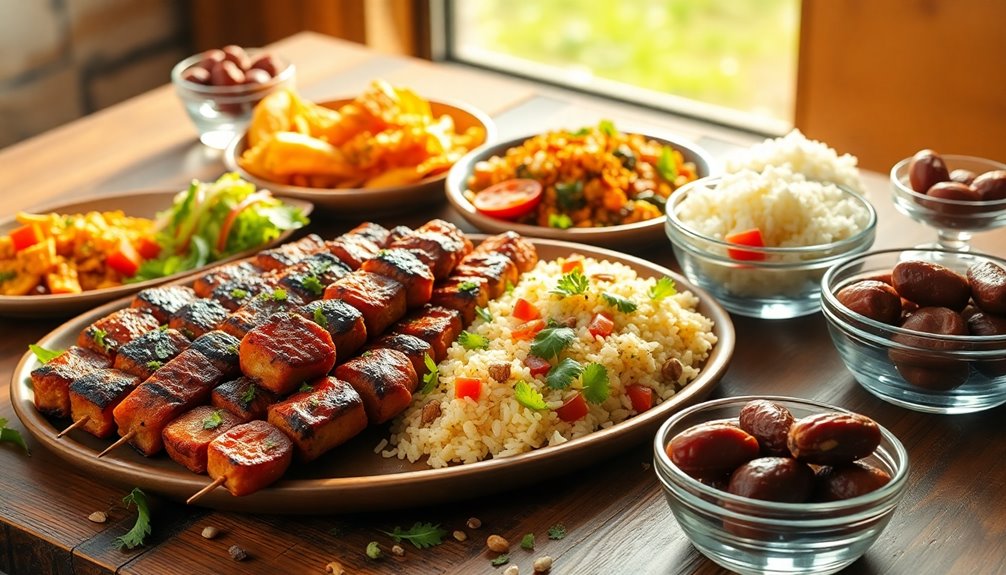
- Iftar typically begins with dates and water, honoring traditional practices that connect Muslims globally.
- Modern adaptations include quick meals and health-conscious options, reflecting contemporary lifestyles while maintaining core values.
- The communal aspect of these meals fosters warmth, spirituality, and reinforces the importance of community during Ramadan.

Have you ever wondered how the traditions of Iftar and Suhoor have shaped the experience of Ramadan for millions around the world? These two meals mark significant moments during the holy month, bringing together family, friends, and communities. Iftar, the meal that breaks the fast at sunset, and Suhoor, the pre-dawn meal, are steeped in history and tradition. Their significance goes beyond mere nourishment; they embody the spirit of togetherness and reflection inherent in Ramadan.
The traditions of Iftar and Suhoor unite communities, embodying togetherness and reflection during Ramadan’s sacred moments.
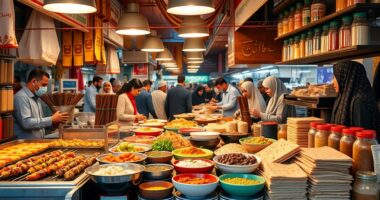
The roots of these traditions stretch back to the time of the Prophet Muhammad, who emphasized the importance of sharing meals and breaking bread with others. During Ramadan, you might find a diverse array of foods at Iftar tables, reflecting cultural variations from one region to another. In Turkey, for instance, you might savor lentil soup and stuffed grape leaves, while in Egypt, you could enjoy koshari and dates. Each culture adds its unique flair to these meals, showcasing the richness of culinary traditions across the Muslim world.
Modern adaptations have also played a role in how these meals are enjoyed today. With the fast-paced lives many lead, you’ll notice that people are increasingly incorporating quick and convenient options into their Iftar and Suhoor. Ready-to-eat meals, health-conscious choices, and even fusion cuisine have made their way onto the tables of those observing Ramadan. This evolution reflects the changing lifestyles of contemporary society, where time constraints and dietary preferences influence how traditions are practiced.
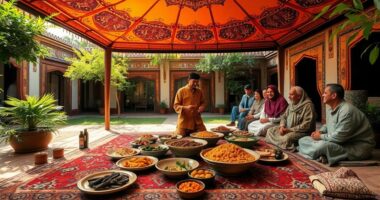
Yet, amid these modern adaptations, the core significance of Iftar and Suhoor remains unchanged. They serve as reminders to pause, reflect, and connect with others. During Iftar, you’re likely to find families gathering to break their fast with a date and water, as this practice honors the Prophet’s tradition. Suhoor, on the other hand, provides an opportunity for quiet contemplation before the day begins, often shared with loved ones. Additionally, the communal aspect of these meals reinforces the importance of community and reflection, a principle echoed in various cultural traditions around the world.
As you experience Ramadan, you’ll witness how Iftar and Suhoor encapsulate a beautiful blend of tradition and modernity. The joy of sharing food, the warmth of companionship, and the deep sense of spirituality all come together to create a unique atmosphere during this holy month. Whether you’re enjoying traditional dishes or trying something new, these meals remind you of the importance of community and reflection in your Ramadan journey.
Top picks for "history significance iftar"
Open Amazon search results for this keyword.
As an affiliate, we earn on qualifying purchases.
Frequently Asked Questions
What Foods Are Traditionally Served During Iftar and Suhoor?
During iftar, you’ll often enjoy traditional dishes like dates, lentil soup, and samosas, along with invigorating drinks like rosewater lemonade. For suhoor, regional specialties shine—think savory parathas, yogurt, and fruit. In some cultures, you might find dishes like ful medames in Egypt or shakshuka in North Africa. These meals not only satisfy your hunger but also bring a sense of community and celebration as you break your fast together.
How Do Different Cultures Celebrate Iftar and Suhoor?
Did you know that nearly 1.8 billion Muslims worldwide celebrate Ramadan? During iftar and suhoor, different cultures embrace unique rituals. In Turkey, you’ll find festive decorations adorning homes, while in Egypt, families gather in vibrant tents. In Indonesia, street vendors serve traditional dishes, creating a lively atmosphere. Each culture infuses its own flavors and practices, making the experience of breaking fast truly special and diverse, uniting communities through shared traditions.
Are There Specific Prayers Associated With Iftar and Suhoor?
Yes, there are specific prayers associated with iftar and suhoor. When you break your fast at iftar, you often recite a short supplication, expressing gratitude. During suhoor, many Muslims perform prayers to seek blessings for the day ahead. It’s important to observe prayer timings and follow supplication etiquette, ensuring your intentions are sincere. Taking a moment for these prayers enhances your spiritual experience during Ramadan, making it even more meaningful.
What Health Benefits Are Associated With Fasting During Ramadan?
Fasting during Ramadan offers several health benefits, including improved metabolic health and a stronger immune system. When you fast, your body shifts to using stored fat for energy, promoting weight loss and better glucose regulation. Additionally, fasting can enhance your immune response, helping your body fight off illnesses more effectively. By focusing on nutritious meals during iftar and suhoor, you support these benefits and maintain overall well-being throughout the month.
Can Children Participate in Iftar and Suhoor Meals?
Absolutely, children can participate in iftar and suhoor meals, and it’s a great way to bring the family together. It’s like the saying goes, “the more, the merrier!” Involving kids in these meals helps them understand the spirit of Ramadan and fosters a sense of community. You can assign them simple tasks, making it a fun experience that strengthens family bonds while teaching them about gratitude and sharing.
Conclusion
In the grand tapestry of Ramadan, iftar and suhoor are the golden threads that weave connection, reflection, and gratitude into your daily rhythm. As you gather with loved ones to break your fast or rise early to savor a pre-dawn meal, you’re not just nourishing your body, but also your spirit. These moments, rich with tradition and meaning, remind you of the beauty in sharing, the joy of togetherness, and the sweet serenity that comes from mindful observance.