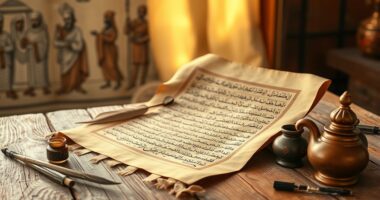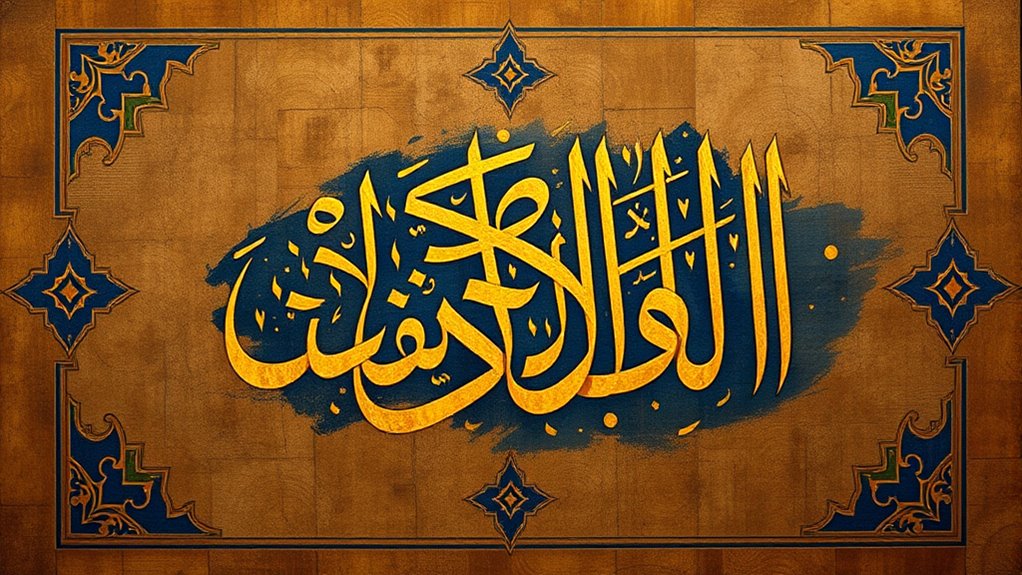

Islamic calligraphy is more than just beautiful writing; it’s a profound art that combines spirituality with cultural heritage. Originating in the 7th century, this art form aims to elevate the divine messages of the Quran through intricate styles like Kufic and Naskh. Modern techniques merge tradition with innovation, allowing artists to express personal and collective identities. The results are not just visually striking but deeply meaningful. There’s much more to explore about its rich history and contemporary significance.
Key Takeaways
- Islamic calligraphy originated in the 7th century, aiming to convey the divine messages of the Quran through intricate artistic expression.
- Historical styles, such as Kufic and Naskh, reflect the sacredness of the written word and enhance the spiritual experience of the viewer.
- Regional variations, influenced by local cultures, showcase the diverse aesthetic values and spiritual meanings embedded in calligraphy.
- Modern techniques, including digital tools and mixed media, rejuvenate traditional practices, allowing for personal and contemporary expressions of faith.
- Islamic calligraphy serves as a vibrant dialogue between past and present, maintaining its profound spiritual essence while engaging modern audiences.

Islamic calligraphy dates back to the 7th century, shortly after the advent of Islam. Early calligraphers sought to convey the divine messages of the Quran through beautifully crafted scripts. They meticulously honed their skills, developing styles like Kufic, which is characterized by its angular shapes, and Naskh, known for its cursive elegance. You can see how these historical styles reflect the cultural and aesthetic values of the time, often used to adorn mosques, manuscripts, and even everyday objects. Each stroke carried meaning, aiming to elevate the written word beyond mere communication to something sacred.
Islamic calligraphy, emerging in the 7th century, masterfully conveys the Quran’s divine messages through elegant and meaningful scripts.
As the centuries progressed, regional variations emerged, influenced by local cultures and artistic preferences. The Ottoman Empire, for instance, gave rise to the Diwani style, known for its complexity and decorative flair. When you look closely at these works, you can appreciate the calligrapher’s dedication to both art and spirituality, creating pieces that resonate on multiple levels.
In today’s world, modern techniques have revitalized Islamic calligraphy, bridging the gap between tradition and contemporary art. Artists now incorporate digital tools and mixed media into their work, merging centuries-old practices with innovative approaches. You might find calligraphers using software to design intricate patterns or experimenting with unconventional materials, creating pieces that challenge traditional notions of what calligraphy can be. This blending of old and new opens up exciting avenues for expression, allowing you to experience Islamic calligraphy in fresh ways. Effective relaxation techniques can also enhance the creative process, helping artists find calmness and focus.
You’ll also notice how calligraphy serves as a medium for personal expression and cultural identity in the modern era. Many artists draw inspiration from their heritage while infusing their unique perspectives, creating a vibrant artistic dialogue that speaks to both the past and the present. This dynamic interplay ensures that Islamic calligraphy remains a living art form, continuously evolving while retaining its profound spiritual essence.

BoiCkyo Islamic Wall Art Decor Metal and Stainless steel- Handmade Arabic Calligraphy Quran Verses for Muslim Home, Living Room & Pray Room Wall Decor, Eid Ramadan Gift for Families,set of 3
✨PREMIUM ISLAMIC WALL ART – Hand-crafted with dual-tone stainless steel and metal (inner gold ring stainless steel, outer…
As an affiliate, we earn on qualifying purchases.
As an affiliate, we earn on qualifying purchases.
Frequently Asked Questions
What Materials Are Commonly Used in Islamic Calligraphy?
In Islamic calligraphy, you commonly use traditional ink and calligraphy brushes. Traditional ink, often made from natural ingredients, provides rich colors that enhance your artwork. Calligraphy brushes, typically crafted from animal hair, allow for precision and fluidity in your strokes. You might also experiment with different papers to see how they absorb the ink. Together, these materials help you create beautiful and expressive pieces that reflect your artistic vision.
How Long Does It Take to Learn Islamic Calligraphy?
Learning Islamic calligraphy can take anywhere from a few months to several years, depending on your dedication and practice. Think of it like planting a tree; the more you nurture it with consistent calligraphy practice, the stronger and more beautiful it becomes. Some may grasp the basics quickly, while others might take longer to master intricate styles. Your journey will be unique, shaped by your patience and passion for the art.
Are There Different Styles of Islamic Calligraphy?
Yes, there are different styles of Islamic calligraphy. You’ll notice historical evolution in styles like Kufic, Naskh, and Thuluth, each with unique characteristics. Regional variations also play a role; for example, Persian calligraphy has its own distinct flair compared to Arabic styles. As you explore these styles, you’ll appreciate how they reflect cultural influences and artistic preferences throughout history, showcasing the rich diversity within Islamic calligraphy.
Can Anyone Practice Islamic Calligraphy?
Yes, anyone can practice Islamic calligraphy! While there are some practice requirements, like learning the basic strokes and styles, many resources are available to help you get started. Cultural accessibility has improved, with online tutorials and workshops making it easier to learn. You don’t need to be an expert right away; just grab some tools, be patient, and enjoy the process of creating beautiful letters that resonate with you.
How Is Islamic Calligraphy Used in Modern Art?
You’ve likely seen how a single brushstroke can transform a blank canvas into a vibrant story. In modern art, calligraphy serves as a powerful expression of cultural identity, blending traditional techniques with contemporary themes. Artists adapt calligraphy digitally, creating stunning pieces that resonate with both heritage and innovation. This fusion not only preserves history but also invites new generations to appreciate the beauty of their roots, making it relevant in today’s artistic landscape.

Recrtain Islamic Wall Art Decor Quran Arabic Calligraphy Painting, Allahu Akbar Beige Gold Marble Fluid Abstract Canvas Posters
High-quality material: Our Islamic calligraphy canvas painting adopts high-definition printing with vivid colors. It is waterproof, wrinkle-resistant, and…
As an affiliate, we earn on qualifying purchases.
As an affiliate, we earn on qualifying purchases.
Conclusion
In the intricate swirls of Islamic calligraphy, you’ll find more than just words; you’ll discover a bridge between the earthly and the divine. Each stroke symbolizes a connection to spirituality, inviting you to reflect and find peace. As you admire this art form, let it inspire your own journey, reminding you that beauty can be both a visual and spiritual experience. Embrace the elegance of calligraphy, and let it guide your heart toward tranquility and understanding.

SYYANKK Islamic Wall Art Muslim Canvas Poster Arabic Wall Decor Vintage Painting Islamic Calligraphy Prints Ayatul Kursi Al Fatiha Pictures Ramadan Artwork for Home Living Room 12×16 Inch Unframed
Islamic Canvas Wall Art: Islamic Canvas painting set size: 12*16 inches (30*40 cm) * 2 pieces, we have…
As an affiliate, we earn on qualifying purchases.
As an affiliate, we earn on qualifying purchases.

Islamic Wall Decor Allah Name Ayatul Kursi Painting Abstract Arabic Calligraphy Poster Muslim Picture Framed Artwork Home Decor Ready To Hang(Artwork-4,12"x18")
Size:12x18inch(30x45cm)wooden framed,It can help you make your room or office full of positive,put it on the wall in…
As an affiliate, we earn on qualifying purchases.
As an affiliate, we earn on qualifying purchases.