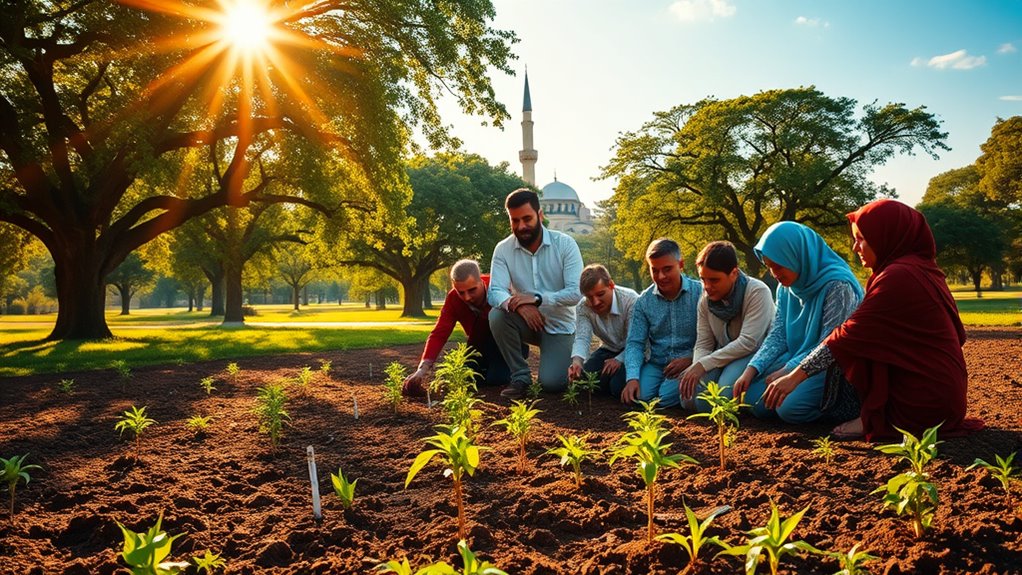

Islamic environmental ethics emphasize your role as a steward of the Earth. You’re encouraged to honor nature by practicing sustainability and reducing your environmental footprint. This includes wise resource use and understanding the interconnectedness of all living beings. By planting trees and engaging in eco-friendly practices, you contribute to ecological balance. Remember, your actions today impact future generations. There’s so much more to explore on how these principles guide your everyday choices and interactions with the environment.
Key Takeaways
- Islamic teachings emphasize human stewardship of the Earth, promoting responsible and sustainable management of natural resources.
- The Qur’an and Hadith advocate for environmental preservation, encouraging wise resource use and discouraging wastefulness.
- Mizan, the concept of balance, highlights the importance of maintaining ecological harmony and respecting all living beings.
- Interconnectedness in ecosystems underscores that harming one part affects the whole, urging sustainable practices and conservation efforts.
- Engaging in sustainable actions, like gardening and reducing waste, reflects Islamic values and contributes to future generations’ well-being.
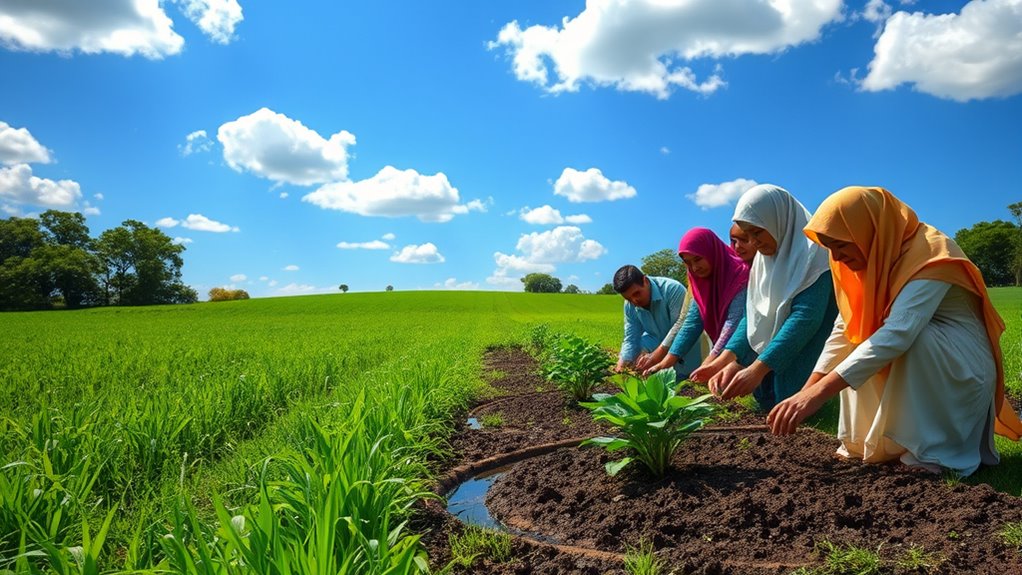
Islamic environmental ethics emphasize the interconnectedness of all living beings and the responsibility humans have as stewards of the Earth. This stewardship isn’t just a concept; it’s a fundamental part of your role in the world. The Prophetic traditions provide a rich framework for understanding this duty. You’re encouraged to see yourself not as a master of creation, but as a caretaker, responsible for maintaining balance and harmony in the environment. This perspective reshapes how you interact with nature, urging you to reflect on the consequences of your actions.
In Islam, ecological responsibility isn’t just a modern trend; it’s deeply rooted in religious teachings. The Qur’an frequently reminds you of the importance of preserving the environment. It calls you to use resources wisely and avoid wastefulness. This principle is echoed in the Hadiths, where the Prophet Muhammad emphasized that even small acts of kindness toward the environment are valuable. When you take a moment to plant a tree or conserve water, you’re embodying these teachings and actively participating in a larger mission of sustainability.
You might find that Islamic ethics also encourage a holistic view of life, recognizing that every creature and plant plays a role in the ecosystem. This interconnectedness means that harming one part of the environment can have cascading effects. When you understand this, it becomes clear that your actions matter. By engaging in sustainable practices, such as reducing plastic use or supporting local agriculture, you’re fulfilling your role as a steward of the Earth.
Moreover, the concept of balance—known as “mizan” in Arabic—is central to Islamic environmental ethics. It reminds you that there’s a divine order to nature, and disrupting this balance can lead to ecological crises. By acknowledging this, you’re encouraged to cultivate a sense of respect and reverence for all living beings. Whether it’s a tiny insect or a vast forest, each has its place and purpose.
In your daily life, integrating these principles can be straightforward. You can start by making conscious choices that reflect your commitment to ecological responsibility. Consider the impact of your consumption, and endeavor to reduce your footprint. A backyard greenhouse can be an excellent way to engage in sustainable gardening practices. By doing so, you’re not only honoring your faith but also contributing to the well-being of future generations. Ultimately, Islamic environmental ethics call you to live in a way that respects the Earth, nurturing it as a shared home for all beings.
Top picks for "islamic environmental ethic"
Open Amazon search results for this keyword.
As an affiliate, we earn on qualifying purchases.
Frequently Asked Questions
How Does Islamic Environmental Ethics Differ From Other Religious Perspectives?
Islamic environmental ethics emphasizes ethical stewardship and a harmonious relationship with nature, which often sets it apart from other religious perspectives. While many faiths advocate for environmental activism, Islam’s teachings prioritize the notion of humans as caretakers of the Earth, fostering a deeper sense of responsibility. This unique focus encourages you to engage actively with the environment, promoting sustainability and respect for all living things, distinguishing it from more anthropocentric views found in other traditions.
What Role Do Local Communities Play in Islamic Environmental Stewardship?
Local communities play a vital role in Islamic environmental stewardship by fostering community involvement and promoting sustainable practices. You’ll find that these communities often lead initiatives that reflect cultural impact, emphasizing traditional values and knowledge. When people come together, they can address local environmental challenges effectively, ensuring that stewardship efforts resonate with their cultural identity. This collaboration not only enhances ecological health but also strengthens community bonds, making environmental care a shared responsibility.
Are There Any Contemporary Islamic Leaders Advocating for Environmental Sustainability?
Yes, there are several contemporary Islamic leaders actively advocating for environmental sustainability. For instance, you might come across figures like Sheikh Abdullah bin Bayyah, who emphasizes the moral duty to protect the earth. You’ll notice that many leaders are uniting faith and environmental advocacy, inspiring communities to act. As you explore this movement, you’ll find that their messages resonate with a growing awareness of our shared responsibility to preserve the environment for future generations.
How Can Non-Muslims Engage With Islamic Environmental Teachings?
You can engage with Islamic environmental teachings by participating in interfaith dialogue that focuses on shared values around stewardship and sustainability. Attend community events or workshops that explore these themes. Consider collaborating on ethical activism projects that address environmental issues, where you can learn from Muslim perspectives while sharing your own. Building relationships based on mutual respect will deepen your understanding and foster a collective commitment to protecting the planet for future generations.
What Are Practical Examples of Islamic Environmental Initiatives Today?
You can see practical examples of Islamic environmental initiatives today, like mosque green initiatives that promote energy efficiency and waste reduction. Many mosques are installing solar panels and implementing recycling programs to reduce their carbon footprint. Additionally, eco-friendly farming practices are being adopted by Muslim farmers, focusing on sustainable agriculture, water conservation, and organic methods. These efforts not only align with environmental stewardship but also encourage community involvement and awareness about ecological responsibility.
Conclusion
In conclusion, embracing Islamic environmental ethics can profoundly impact our planet’s future. With over 1.8 billion Muslims worldwide, imagine the collective power of their commitment to stewardship and sustainability. If each person made small changes—like reducing waste or conserving water—we could markedly lower our environmental footprint. By fostering these values, we not only honor our faith but also protect the Earth for generations to come. Together, we can create a healthier, more sustainable world.