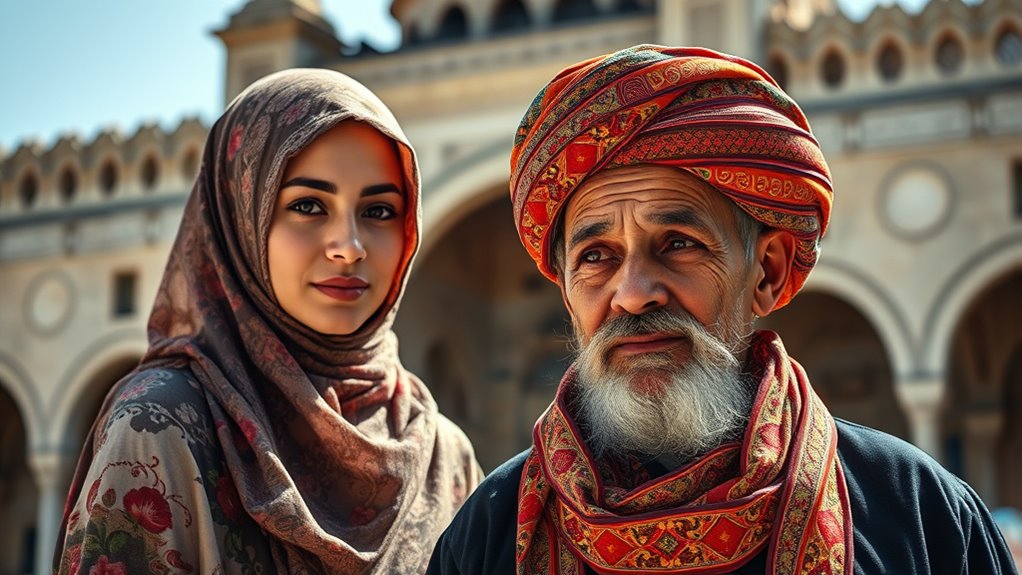
Islamic fashion has evolved remarkably over the centuries, showcasing garments like stylish hijabs and traditional turbans. Originating from the hot climates of the Middle East, these clothes balance modesty with practicality. Influences from various cultures shape their designs, reflecting social status and identity. Today, you’ll find modern interpretations of these traditional styles influenced by fashion trends worldwide. There’s a fascinating journey behind each piece, and you’ll discover even more about this rich evolution as you explore further.
Key Takeaways
- Early Islamic clothing was designed for hot climates, emphasizing modesty while incorporating local textiles like silk and cotton.
- The hijab evolved as a response to cultural norms, symbolizing modesty and religious identity across different regions.
- Turbans became symbols of authority and sophistication, influenced by Persian, Byzantine, and local customs throughout Islamic history.
- Contemporary Islamic fashion blends traditional garments with modern trends, allowing for personal expression while maintaining cultural significance.
- Islamic fashion has a global presence, showcasing diverse cultural identities and promoting inclusivity through innovative styles across various cities.
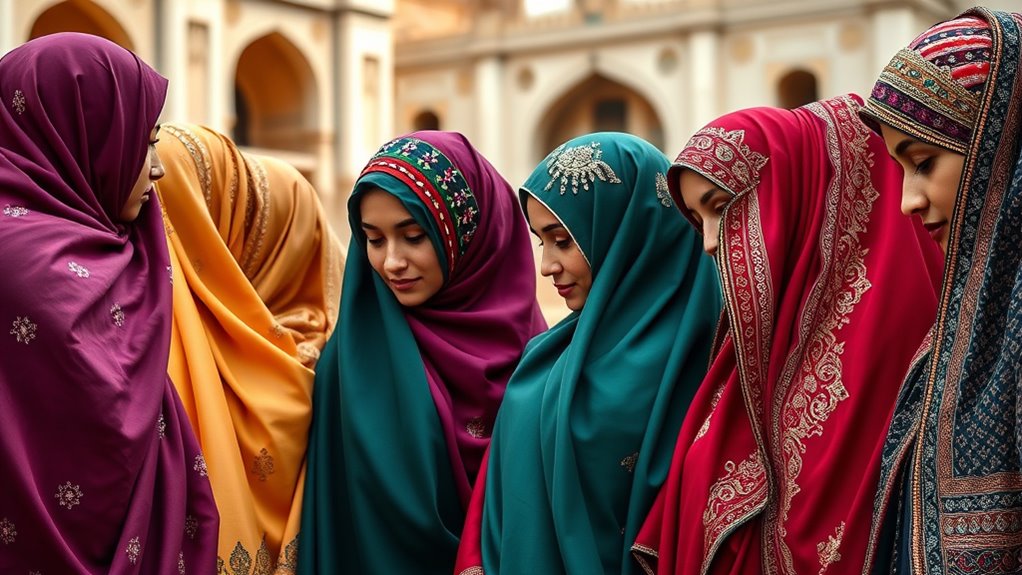
Have you ever wondered how Islamic fashion has evolved over the centuries? It’s fascinating to see how cultural influences have shaped the way people express their faith through clothing. From the intricate designs of traditional garments to modern adaptations that blend style with personal beliefs, Islamic fashion tells a rich story that spans various regions and eras.
Islamic fashion is a captivating journey of cultural influences, merging tradition with modernity in a unique expression of faith.
In the early days of Islam, clothing was primarily practical, designed for the hot climates of the Middle East. The hijab, for instance, developed as a response to both religious and cultural norms, emphasizing modesty while adapting to the local environment. As trade routes expanded, so did the exchange of ideas and textiles. You can trace the impact of Persian, Byzantine, and Indian styles on Islamic dress. Fabrics like silk and cotton became popular, adorned with elaborate embroidery and patterns, showcasing both the artistry and the cultural influences of the time.
As you explore more deeply into history, you’ll notice how Islamic fashion reflects the social status and identity of its wearers. For instance, during the Ottoman Empire, the use of luxurious fabrics and detailed embellishments became a way to signify wealth and power. This period also saw the rise of the turban, a symbol of authority and sophistication. The turban’s design varied considerably across regions, influenced by local customs and available materials. These variations highlight how Islamic fashion isn’t just about religion; it’s also about cultural identity and expression.
In contemporary society, you’ll find that Islamic fashion has undergone notable modern adaptations. Designers are now reinterpreting traditional garments, bringing them into the 21st century while still honoring their roots. You’ll see hijabs styled in various ways, blending with streetwear or high fashion, making a bold statement about faith and personal style. The rise of social media has further propelled this trend, allowing Muslim influencers to showcase their unique fashion sense, inspiring others to embrace their identity proudly. This evolution mirrors the way diverse beach experiences in places like top beach towns offer a blend of relaxation and adventure, encouraging personal expression in various forms.
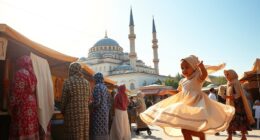
Today, Islamic fashion isn’t just confined to certain regions; it’s a global phenomenon. Whether you’re in Istanbul, Jakarta, or New York, you’ll encounter a diverse range of styles that reflect both tradition and modernity. It’s a beautiful reminder of how cultural influences continue to shape fashion, creating a dynamic tapestry that celebrates diversity while fostering a sense of belonging. So next time you see a hijab or a turban, remember, it’s more than just clothing; it’s a story of evolution, identity, and faith.

Prien Hijab for Women Viscose Scarf Lightweight Muslim Hijabs Long Shawl Islamic Scarves Turkey Silk Headscarf for Womens (Mink)
BREATHABLE COTTON FABRIC – Produced from 97% Viscose and 3% Elastane raw materials, this hijab for women offers…
As an affiliate, we earn on qualifying purchases.
As an affiliate, we earn on qualifying purchases.
Frequently Asked Questions
How Do Cultural Influences Shape Islamic Fashion Today?
Cultural influences shape Islamic fashion today by promoting cultural fusion and modern adaptations. You’ll notice how designers blend traditional elements with contemporary styles, creating unique looks that resonate globally. This fusion allows you to express your identity while staying true to your roots. As you explore fashion, you’ll see how varying cultures inspire patterns, fabrics, and silhouettes, making Islamic fashion a vibrant reflection of today’s diverse world.
What Materials Are Commonly Used in Traditional Islamic Clothing?
When it comes to traditional Islamic clothing, you’re often wrapped in a tapestry of rich fabric types. Cotton, silk, and wool are favorites, each bringing unique comfort and elegance. Intricate embroidery techniques adorn these garments, transforming simple pieces into stunning works of art. You might see delicate patterns that tell stories from centuries past, showcasing the skill of artisans. Each stitch and thread weaves together the cultural heritage that defines Islamic fashion today.
Are There Specific Colors Associated With Islamic Fashion?
Yes, there are specific colors associated with Islamic fashion that hold significant color symbolism. For instance, green represents paradise and is widely embraced in clothing. White symbolizes purity, while black is often linked to modesty and elegance. You’ll also notice fashion color trends evolving with cultural influences, incorporating vibrant hues like blue and red. By understanding these meanings, you can appreciate how color enhances the beauty and significance of Islamic attire.
How Has Islamic Fashion Been Represented in Popular Culture?
How often do you notice Islamic fashion in popular culture? It’s increasingly represented through celebrity endorsements and media portrayal, showcasing diverse styles like hijabs and abayas. Celebrities wearing these garments challenge stereotypes and promote cultural appreciation, while fashion shows and social media amplify visibility. This representation not only influences fashion trends but also fosters dialogue around identity and modernity, making Islamic fashion more relatable and accessible to wider audiences.
What Role Does Modesty Play in Contemporary Islamic Fashion Choices?
Modesty plays a vital role in your contemporary Islamic fashion choices. You navigate modesty norms while expressing your individuality through fashion statements that reflect both your beliefs and personal style. By choosing garments that align with these norms, you embrace a look that’s stylish yet respectful. Whether it’s layering, choosing certain fabrics, or incorporating accessories, you find ways to showcase your fashion sense while honoring the values that matter most to you.

Babalet Turban for Men Women Satin Lined Durag Head Wraps Skull Cap Pre-Tied Turban Beanie Sleep Bonnet Tassels Headwraps Chemo Hair Loss Hat, NavyBlue
【Satin Lined Halo Turban Durag】 The soft, comfortable Satin lining keeps you cool and dry all day. The…
As an affiliate, we earn on qualifying purchases.
As an affiliate, we earn on qualifying purchases.
Conclusion
In the vibrant tapestry of Islamic fashion, you’ve witnessed the beautiful blend of tradition and transformation. From the graceful hijabs that hug heads to the striking turbans that twist and turn, each piece tells a story steeped in culture. As you embrace these elegant ensembles, remember the rich roots and radiant resilience that define them. Celebrate the seamless synergy of style and significance, as Islamic fashion continues to inspire and influence across the globe.

Marwa Fashion Muslim Hijab for Women – Premium Quality scarf for women made up of 100% Stretchable Polyester, Instant hijab
DESIGN: Our Hijab Scarfs for women has new design with beautiful Arabic Alphabets written on it making it…
As an affiliate, we earn on qualifying purchases.
As an affiliate, we earn on qualifying purchases.

Ababalaya Women's Elegant Modest Muslim Islamic Ramadan Soft Lightweight Jersey Hijab Long Scarf,Gray,L
Soft breathable milk silk fabric, highly elastic and comfortable.
As an affiliate, we earn on qualifying purchases.
As an affiliate, we earn on qualifying purchases.