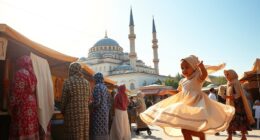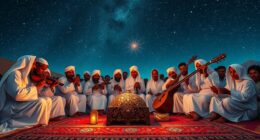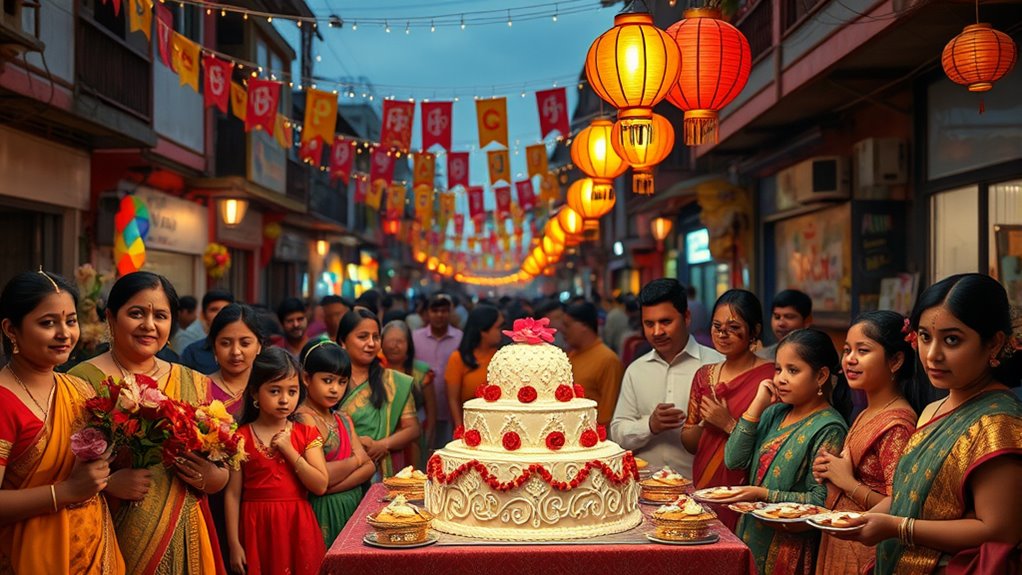

Celebrating Mawlid, the Prophet Muhammad’s birthday, brings communities together in joy and unity. You’ll find people engaged in communal prayers, poetry recitations, and storytelling that highlight the Prophet’s virtues. Colorful decorations set a festive atmosphere, while special dishes and treats are shared among families. Some focus on personal reflection and spiritual growth, emphasizing values like love and kindness. This heartfelt occasion fosters deep connections to heritage and faith, inviting you to explore more about these vibrant traditions.
Key Takeaways
- Mawlid celebrations honor the life and teachings of Prophet Muhammad, fostering cultural and spiritual connections among communities.
- Traditional practices include communal prayers, poetry recitations, and storytelling to celebrate the Prophet’s virtues.
- Festive decorations, special dishes, and sweets are shared, enhancing the sense of unity and joy during the occasion.
- Modern variations feature parades and public festivities in countries like Turkey and Indonesia, highlighting cultural expression.
- Reflective gatherings focus on deep discussions about the Prophet’s teachings, promoting spiritual growth and personal connection to faith.

Have you ever wondered how communities around the world come together to celebrate Mawlid, the birth of the Prophet Muhammad? This occasion, rich in history and meaning, brings people together in a vibrant display of faith and culture. The roots of Mawlid stretch back to the early Islamic period, where it was initially observed as a way to honor the Prophet’s life and teachings. Over time, these historical origins have evolved, influencing how different cultures interpret and celebrate this sacred day.
In many places, you’ll find that Mawlid is marked by communal prayers, recitations of poetry, and storytelling that highlight the Prophet’s virtues. These gatherings provide a sense of unity and shared purpose, as participants reflect on the lessons and values he imparted. This is especially evident in regions like the Middle East and North Africa, where the historical significance of Mawlid is deeply embedded in cultural practices. People often decorate their homes and mosques with lights and flowers, creating an inviting atmosphere filled with joy and reverence.
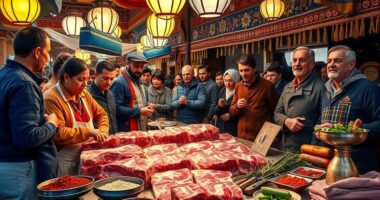
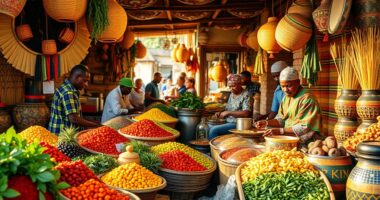
As you explore modern celebrations of Mawlid, you’ll notice that they vary from one community to another. In some countries, like Turkey and Indonesia, parades and public festivities are common. You might see colorful floats, traditional music, and dance performances that celebrate the spirit of the occasion. Food also plays a vital role; you can expect to find special dishes prepared for the day, with sweets and treats shared among friends and family. It’s a time when communities come together to reinforce bonds, emphasizing the importance of compassion and generosity. Additionally, many families take the opportunity to create protective styles that reflect their cultural heritage and personal artistry through various crafts.
In contrast, some communities focus on more introspective observances. You may find gatherings where people engage in deep discussions about the Prophet’s teachings, encouraging personal reflection and spiritual growth. These modern celebrations often blend traditional practices with contemporary expressions of faith, allowing individuals to connect with their heritage in meaningful ways.
Ultimately, Mawlid serves as a reminder of the values the Prophet Muhammad stood for—love, kindness, and humility. Whether you’re participating in a lively street festival or a quiet gathering for prayer, the essence of Mawlid resonates through the hearts of those who celebrate it. By coming together, you not only honor the Prophet’s birthday but also strengthen the bonds of community and faith that unite people around the world.

Dazingart Large Islamic Wooden Book Stack, Bismillah MashaAllah Alhamdulillah, Farmhouse Eid Ramadan Mubarak Tiered Tray Decor, Ramadan Decorations With Wood Bead Tassels Muslim Table Decor
Islamic Book Stack Decor : You will receive a decorative white wooden books set, it reads " Bismillah…
As an affiliate, we earn on qualifying purchases.
As an affiliate, we earn on qualifying purchases.
Frequently Asked Questions
What Is the Historical Significance of Mawlid Celebrations?
The historical significance of Mawlid celebrations lies in their focus on the Prophet’s life and teachings. By commemorating his birth, you not only honor his legacy but also reflect on the historical impact he had on the world. These celebrations foster a sense of community, strengthen faith, and encourage individuals to emulate the Prophet’s values. Fundamentally, they serve as a reminder of the enduring influence his life continues to have across cultures and societies.
Are There Specific Prayers Associated With Mawlid?
Yes, there are specific prayers associated with Mawlid. Did you know that approximately 65% of Muslims engage in Mawlid dua recitations during this time? You’ll often find Prophetic supplications being recited, allowing individuals to express their love and gratitude for the Prophet. These prayers not only commemorate his life but also strengthen community bonds. Participating in these recitations can deepen your connection to the traditions and teachings of Islam, enriching your spiritual experience.
How Do Different Cultures Celebrate Mawlid Uniquely?
Different cultures celebrate Mawlid uniquely through vibrant expressions of their heritage. You might see people donning traditional dress that reflects their cultural identity, showcasing colorful fabrics and unique styles. In many regions, you’ll hear traditional music playing, filling the air with joyous melodies that honor the occasion. These cultural elements create a festive atmosphere, allowing you to experience the rich diversity in how communities come together to celebrate this significant day.
Is Mawlid Recognized as a Public Holiday in Muslim-Majority Countries?
Yes, Mawlid is recognized as a public holiday in many Muslim-majority countries. You’ll find that nations like Turkey, Egypt, and Pakistan officially celebrate this significant day, giving people a chance to gather and honor the Prophet’s birth. This recognition highlights the importance of Mawlid in fostering community spirit and religious devotion. As you see people coming together, it’s hard not to feel the warmth and joy this holiday brings to millions.
What Are Common Foods Served During Mawlid Celebrations?
During Mawlid celebrations, you’ll often find an array of traditional sweets like baklava, maamoul, and kunafa. These delicacies are not just delicious; they symbolize joy and community. You might also enjoy festive beverages such as rosewater lemonade or spiced tea, which add to the celebratory atmosphere. Sharing these foods with family and friends creates a sense of unity and joy, making the occasion even more special and memorable.

If You Were an Antonym (Word Fun)
Used Book in Good Condition
As an affiliate, we earn on qualifying purchases.
As an affiliate, we earn on qualifying purchases.
Conclusion
As you join in the joyous celebration of Mawlid, remember that each chant and gathering weaves a tapestry of love, unity, and reverence for the Prophet. These traditions aren’t just rituals; they’re heartfelt expressions of gratitude that echo through generations. By embracing this special day, you’re not only honoring the past but also igniting a flame of hope and compassion for the future. Let the spirit of Mawlid inspire you to spread kindness and warmth in every corner of your life.
Mawlid celebration sweets and treats
As an affiliate, we earn on qualifying purchases.
As an affiliate, we earn on qualifying purchases.

OLEEK Muslim Prayer Rug – Islamic Prayer mat – Prayer matt Islam – eid Gifts – eid Decorations for Home 2026 – Praying mat – Muslim Gifts – Islam Men – Islamic Prayer Rugs – سجادة صلاة
PERFECT PRAYER SUPPORT: Designed for maximum comfort, this prayer mat features soft material that supports your feet and…
As an affiliate, we earn on qualifying purchases.
As an affiliate, we earn on qualifying purchases.