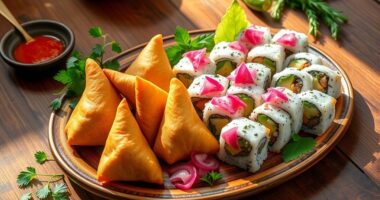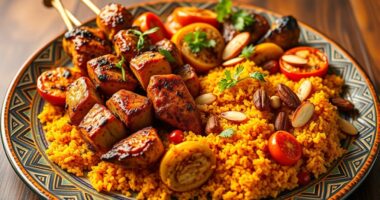
During Ramadan, dates symbolize spiritual connection, gratitude, and tradition. Following Prophet Muhammad’s guidance, breaking your fast with dates reflects humility and health, strengthening your faith and unity. Dates also provide quick energy and essential nutrients, supporting your well-being during fasting. They deepen your mindfulness and devotion while fostering community bonds. If you continue exploring, you’ll discover how to choose the best dates and incorporate them into your meaningful Ramadan journey.

Get kitchen staples and gadgets delivered free — and shop member deals
- Fast, free delivery on millions of items
- Access to Prime Big Deal Days deals on October 6–7
- Prime Video, Amazon Music and more included
Key Takeaways
- Dates symbolize spiritual connection, gratitude, and mindfulness during Ramadan, reinforcing devotion and inner peace.
- Prophet Muhammad’s tradition of breaking fast with dates emphasizes humility, health, and prophetic guidance.
- Consuming dates provides quick energy, essential nutrients, and supports health after fasting.
- Incorporating dates deepens spiritual reflection, discipline, and community bonding in Ramadan traditions.
- Proper selection and preparation of dates enhance their nutritional benefits and cultural significance.
organic Medjool dates for Ramadan
As an affiliate, we earn on qualifying purchases.
As an affiliate, we earn on qualifying purchases.
What Is the Significance of Dates During Ramadan?
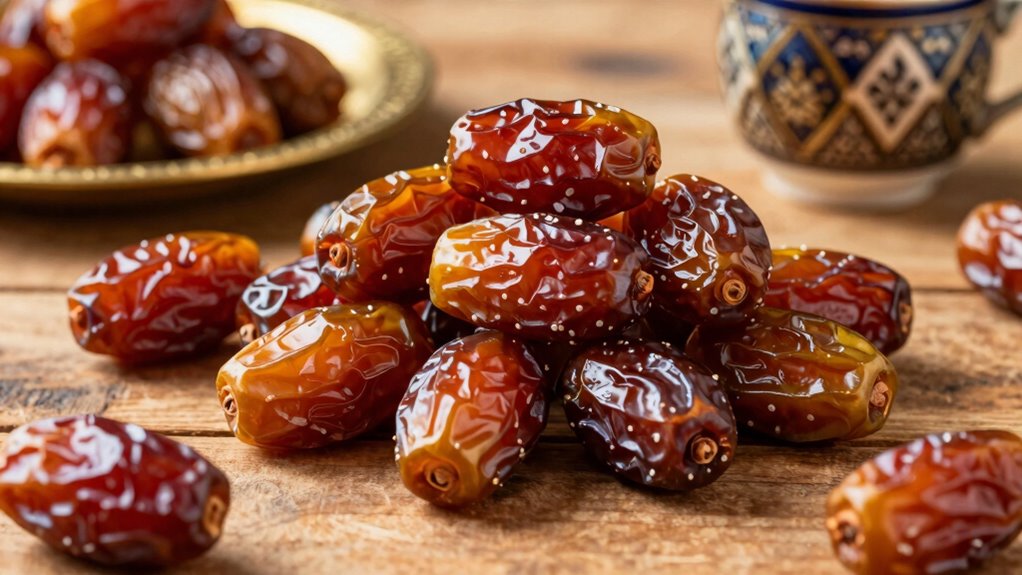
Dates hold a special place in Ramadan because they are traditionally used to break the fast each evening. Their historical origins trace back thousands of years, serving as an essential food source in the Middle East and North Africa. Over time, dates gained cultural symbolism, representing hospitality, sustenance, and religious significance. In many Muslim communities, sharing dates during Iftar symbolizes unity and gratitude. Their natural sweetness and rich nutrients make them ideal for replenishing energy after fasting. The tradition of breaking fast with dates also connects you to a long history rooted in Islamic teachings and Arab customs. This deep cultural symbolism reminds you of the importance of community, tradition, and faith during Ramadan, making dates much more than just a food—they’re a meaningful part of your spiritual journey. Additionally, consuming dates can provide quick energy replenishment after a day of fasting, making them a practical choice as well. Furthermore, the use of dates in Ramadan reflects the broader cultural significance of traditional foods in enhancing communal bonds and spiritual practices. Incorporating air fryer techniques can also add a modern twist to traditional date recipes, making them even more enjoyable during the holy month. Moreover, dates are known for their high nutritional value, which contributes to a healthier post-fasting meal. The consumption of dates is often recommended in Islamic teachings for their numerous health benefits, making them a staple during this sacred time.
Why Did Prophet Muhammad Recommend Breaking Fast With Dates?
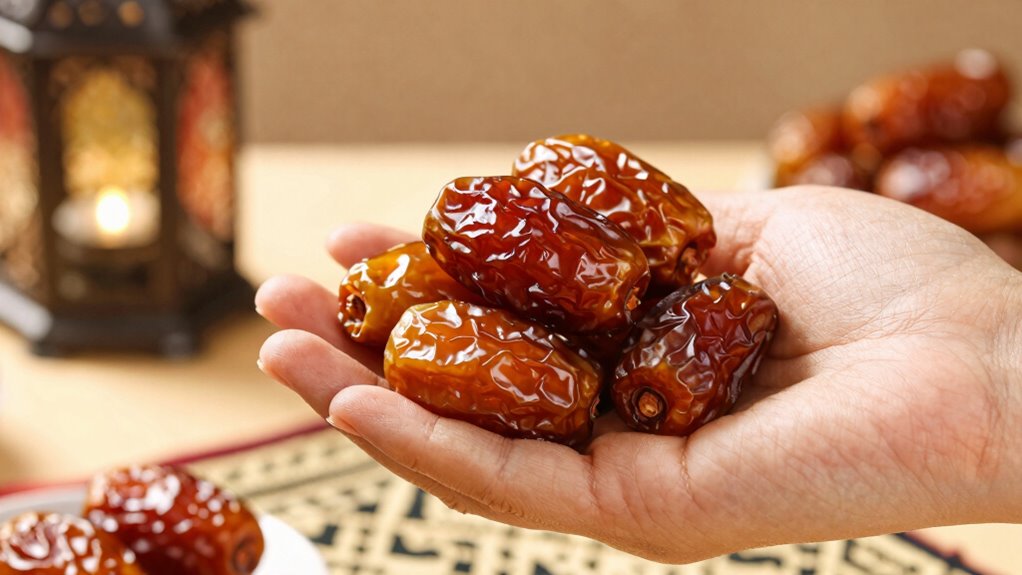
Prophet Muhammad recommended breaking your fast with dates because it connects to a powerful prophetic tradition. Dates are not only significant spiritually but also provide essential nutrients that help restore your energy quickly. By following this practice, you honor the Sunnah and support your body’s needs during Ramadan. Additionally, proper nutrition during fasting is crucial for maintaining energy levels throughout the day. Incorporating energy-efficient foods like dates ensures you replenish vital nutrients after a long day of fasting. Furthermore, consuming dates can aid in infection prevention during fasting, as they support overall health and well-being. Dates are also rich in natural sugars, making them an ideal choice for a quick energy boost after a day of fasting. Moreover, the consumption of dates aligns with eco-friendly practices, promoting sustainability in your dietary choices during this holy month.
Prophetic Tradition Significance
The tradition of breaking fast with dates holds deep significance because it aligns with prophetic guidance that emphasizes simplicity and health. Historically, Prophet Muhammad’s recommendation reflects his practical approach, rooted in the cultural context of his time, where dates were a readily available and nutritious food. This practice symbolizes humility and reliance on natural sustenance, reinforcing the spiritual values of Ramadan. The act of breaking fast with dates also carries cultural symbolism, connecting Muslims worldwide to the Prophet’s example and fostering a sense of unity. Following this tradition demonstrates obedience to prophetic teachings, highlighting the importance of simplicity in faith and daily life. Overall, it’s a meaningful gesture that bridges historical context and spiritual symbolism in Ramadan observance. Additionally, the underlying principles of molecular-scale circuits in technology mirror the intricate balance found in nature, emphasizing the harmony between faith and the natural world. Moreover, incorporating dates into meals is a reflection of the nutritional benefits that they offer, promoting health and vitality during the fasting period. The use of dates in this tradition also mirrors the concept of natural sustenance, showcasing their role in nurturing both body and spirit. Furthermore, the choice of dates as a primary food source aligns with their high energy content, which provides essential fuel for those observing the fast. The practice of consuming dates is also celebrated in various cultures and is a testament to the global appreciation of diversity, enriching the shared experience of Ramadan among diverse communities.
Nutritional Benefits Highlight
One key reason Prophet Muhammad recommended breaking fast with dates is their impressive nutritional profile that provides immediate energy and essential nutrients. Dates are rich in natural sugars like glucose, fructose, and sucrose, which quickly replenish your energy after a long fast. Their flavor profiles range from sweet and caramel-like to mildly nutty, making them a satisfying choice. The harvesting methods—carefully handpicking ripe dates at their peak—ensure you get maximum nutritional benefits. Dates also contain fiber, vitamins, and minerals like potassium and magnesium, supporting hydration and overall health during Ramadan. Their natural sweetness helps curb cravings, making them an ideal, wholesome way to break your fast. This combination of flavor, nutrients, and traditional harvesting methods explains why they hold such significance in Islamic practice. Additionally, their health benefits align with the importance of user experience enhancement during fasting periods, similar to the best home security systems that emphasize reliability and user-friendly features. Moreover, the cultural significance of dates during Ramadan mirrors the cultural festivals celebrated in various communities, enhancing the spirit of togetherness. Furthermore, the practice of breaking fast with dates is rooted in Islamic traditions, which emphasizes the importance of nourishment after fasting. Consuming dates also supports kidney health maintenance, as their potassium helps regulate fluid balance and blood pressure, promoting overall well-being.
How Do Dates Enhance Your Ramadan Spiritual Experience?
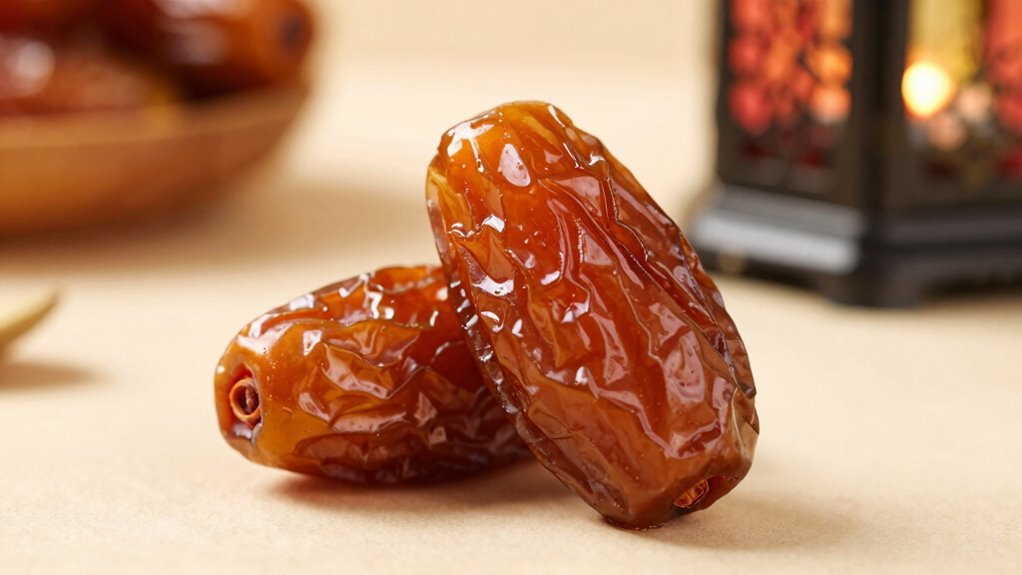
Dates carry more than just nutritional value during Ramadan—they serve as a spiritual symbol that deepens your connection to the month’s sacredness. Eating dates at Iftar anchors your fasting mindfulness, reminding you of humility and gratitude. They encourage spiritual reflection by grounding you in tradition and purpose. When you break your fast with dates, you honor a divine practice, enhancing your sense of discipline and devotion. Additionally, the connection to nature during this time can amplify your spiritual experience, as it fosters a greater awareness of your surroundings and inner self. Furthermore, engaging in strength training can enhance your overall wellbeing during Ramadan, making you feel more energized and spiritually aligned. Incorporating top car protection accessories during this time can also symbolize the care you take in preserving what is valuable to you.
Dates symbolize spiritual connection, fostering gratitude, mindfulness, and devotion during Ramadan’s sacred moments.
Interestingly, the nutritional benefits of dates include high sugar content, which can provide a quick energy boost after fasting.
Consider these ways dates elevate your spiritual experience:
- Reinforce mindfulness by focusing on the act of nourishing your body and soul.
- Cultivate gratitude for the sustenance provided during fasting.
- Deepen your connection to Ramadan’s history and spiritual significance.
- Use the moment to pause and reflect on your spiritual journey, fostering inner peace.
Additionally, dates provide nutritional benefits that can help restore energy levels after fasting, allowing for a more fulfilling spiritual experience.
Cultural Traditions and Variations in Using Dates for Iftar

Across different cultures, the way dates are incorporated into Iftar varies considerably, reflecting rich traditions and local customs. In some regions, dates are simply eaten plain, emphasizing their natural sweetness. In others, they are stuffed with nuts or dipped in chocolate, showcasing unique culinary twists. Cultural diversity influences these practices, highlighting regional customs that have evolved over generations. For example, in Middle Eastern countries, serving a variety of date types during Iftar is common, symbolizing hospitality and abundance. In South Asia, dates are often part of elaborate sweet dishes. These variations demonstrate how local tastes and traditions shape the ritual of breaking the fast. By understanding these differences, you gain deeper insight into the cultural significance of dates across the Muslim world.
Health Benefits of Eating Dates During Ramadan
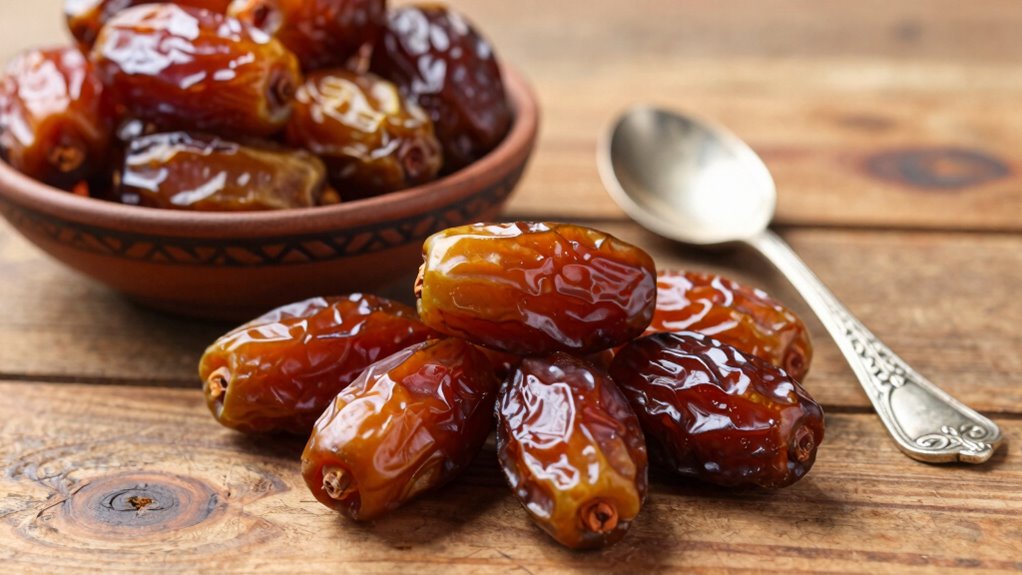
During Ramadan, incorporating dates into your Iftar offers numerous health benefits that support your fasting experience. Their natural sweet flavor helps curb sugar cravings, making it easier to break your fast without overindulging. Dates also serve as a digestive aid, helping to relax your stomach and improve digestion after a day of fasting. Additionally, they are packed with essential nutrients like fiber, potassium, and magnesium, which replenish your energy levels. Here’s what eating dates can do for you:
- Provide quick energy to combat fatigue.
- Support healthy digestion and prevent constipation.
- Keep you hydrated with natural sugars and fiber.
- Boost your mineral intake for overall well-being.
Incorporating dates is a simple, nutritious way to enhance your Ramadan experience.
Choosing and Preparing the Best Dates for Iftar
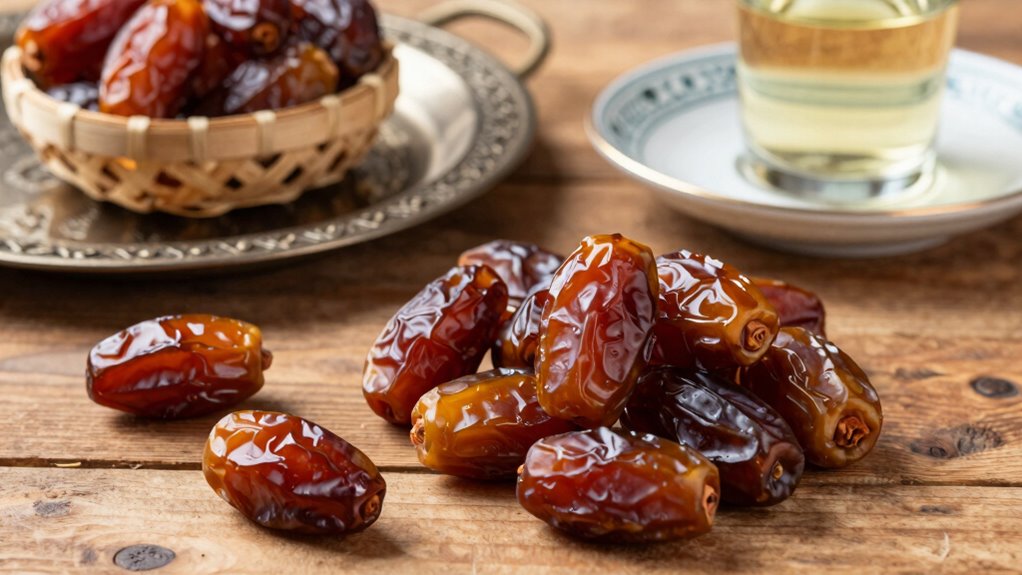
Choosing the right dates for Iftar can make a significant difference in your Ramadan experience. When selecting dates, look for those that are plump, moist, and free from cracks or mold. Understanding date harvesting helps guarantee you pick fresh, high-quality fruit; freshly harvested dates have a richer flavor and better texture. Proper date storage techniques are essential to keep them fresh longer—store dates in a cool, dry place or in an airtight container in the fridge. Before preparing, wash the dates gently to remove any dirt or residue. If you prefer softer dates, soak them in warm water for a few minutes. Selecting and preparing the best dates ensures you enjoy their natural sweetness and health benefits during Iftar.
Frequently Asked Questions
Are There Specific Types of Dates Preferred During Ramadan?
You might prefer certain date varieties during Ramadan, influenced by cultural preferences. Medjool dates are popular because of their large size, sweetness, and soft texture. Others, like Deglet Noor, are also favored for their slightly firmer flesh and milder flavor. Your choice often depends on tradition, regional availability, and personal taste. These varieties are traditionally chosen for their nutritional benefits and significance during iftar, making your Ramadan experience special.
How Do Dates Compare Nutritionally to Other Traditional Iftar Foods?
Dates are like nature’s candy, offering a sweet boost during iftar. Nutritional benefits include fiber, vitamins, and minerals, making them a healthy choice. Compared to other traditional foods, they have moderate sugar content, providing quick energy without overwhelming your system. Unlike heavy fried foods, dates help replenish energy gently. They’re a nutritious, natural option that supports your body after fasting, keeping you energized and balanced.
What Is the Historical Origin of Breaking Fast With Dates?
You should know that breaking your fast with dates has deep historical significance and religious symbolism. The tradition traces back to Prophet Muhammad, who is said to have broken his fast with dates, emphasizing their importance. This practice symbolizes gratitude and humility, connecting you to centuries of faith. Dates provide quick energy and nourishment, making them an ideal, meaningful choice to start your iftar during Ramadan.
Do Different Cultures Have Unique Date-Related Ramadan Rituals?
You’ll find that different cultures have unique date-related Ramadan rituals, reflecting their diverse traditions and practices. In some regions, you might see special date dishes prepared for Iftar, while others incorporate dates into prayers or community gatherings. These cultural variations highlight the ritual significance of dates, emphasizing their role in fostering unity and spiritual reflection during Ramadan. Each tradition enriches the observance, making it a deeply personal and communal experience worldwide.
Can Eating Dates Influence Energy Levels Throughout Ramadan?
Eating dates can profoundly influence your energy levels throughout Ramadan. Their natural sugars provide an instant energy boost, helping you feel more alert and refreshed. Plus, their nutritional benefits, like fiber, vitamins, and minerals, support overall health and stamina during fasting hours. Incorporating dates into your meals offers a quick, wholesome way to maintain energy, making your fasting experience more manageable and nourishing.
Conclusion
As you break your fast with dates, you’re not just savoring a sweet treat—you’re embracing a tradition that’s woven into the very fabric of Ramadan. Like a gentle bridge connecting past and present, dates nourish your body and soul, enriching your spiritual journey. Remember, each bite is a reminder of the Prophet’s wisdom and the timeless bond of community. Let this humble fruit be your guiding star through a blessed month.
Halloween Picks
halloween
As an affiliate, we earn on qualifying purchases.