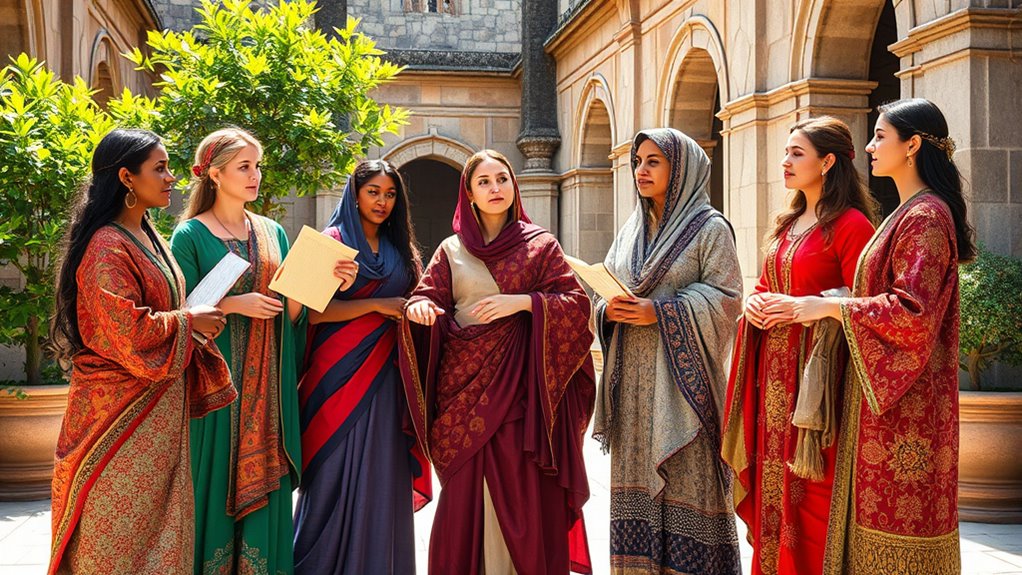

In early Islamic history, women weren’t just passive figures; they were remarkable leaders, scholars, and entrepreneurs. Figures like Khadijah, the first wife of Prophet Muhammad, showcased business acumen by supporting the nascent Muslim community. Aisha and Fatimah emerged as authoritative voices in religious and community matters. Their commitment to education and leadership laid essential foundations for future generations. You’ll find there’s even more to discover about the significant roles women played during this transformative period.
Key Takeaways
- Early Islamic society emphasized women’s education, enabling them to become influential scholars and leaders in various fields.
- Aisha, a prominent figure, provided significant legal and Quranic teachings that shaped Islamic jurisprudence.
- Khadijah, the first wife of Prophet Muhammad, was a successful businesswoman who financially supported the early Muslim community.
- Fatimah, the Prophet’s daughter, demonstrated resilience and leadership, inspiring future generations and contributing to societal progress.
- Women’s active roles in education, leadership, and entrepreneurship were foundational to the development of early Islamic civilization.
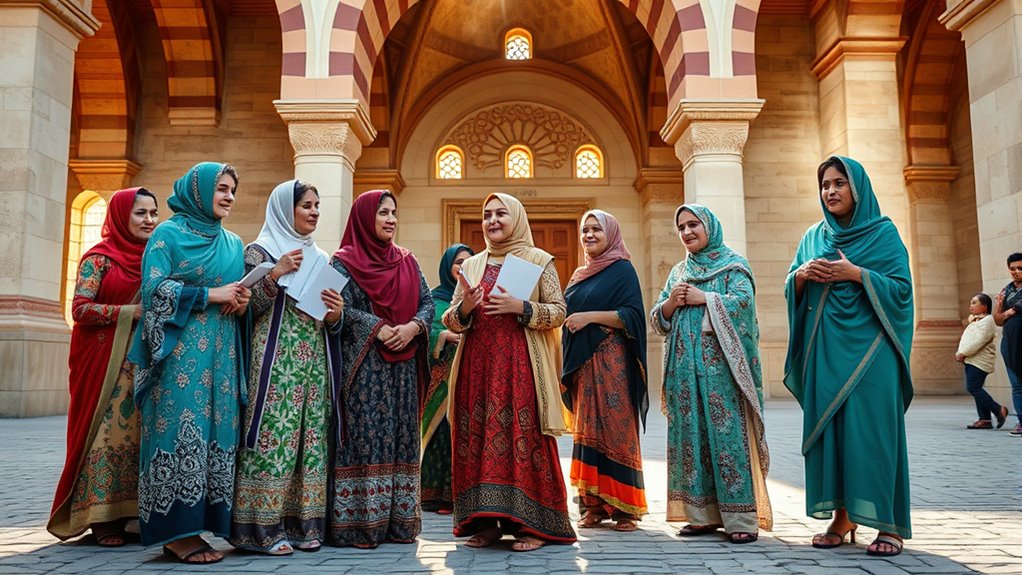
Have you ever wondered about the significant roles women played in early Islamic history? Many people often overlook the contributions of women during this transformative era. However, if you dig a little deeper, you’ll discover that women were not only pivotal figures in their communities but also instrumental in shaping the future of Islamic society. From education to leadership, their influence was profound and far-reaching.
Women’s education was a cornerstone of early Islamic society. The Prophet Muhammad himself emphasized the importance of knowledge for both men and women. He famously said, “Seeking knowledge is an obligation upon every Muslim.” This principle encouraged women to pursue education, enabling them to become scholars and intellectuals. Aisha, one of the Prophet’s wives, is a prime example. She was known for her intelligence and became a leading authority on Islamic jurisprudence. Her teachings and interpretations of the Quran continue to be referenced today. When you consider the impact of such figures, it’s clear that education was a crucial tool for women in early Islamic history.
Women’s education was vital in early Islamic society, empowering figures like Aisha to become influential scholars and leaders.
Female leadership emerged as another significant aspect of this period. Women didn’t just play supportive roles; they took charge and made decisions that shaped their communities. Khadijah, the Prophet Muhammad’s first wife, was a successful businesswoman long before the advent of Islam. Her financial independence and entrepreneurial spirit allowed her to support the early Muslim community. She played a vital role in the propagation of Islam, providing both moral and financial backing to the Prophet during challenging times. This kind of female leadership was not just an anomaly; it was a reflection of the dynamic roles women held in society.
Moreover, women served as leaders in various capacities, from educators to political figures. Fatimah, the daughter of Muhammad, is remembered for her resilience and leadership within her own family and community. Her influence extended beyond her immediate circle, inspiring generations of women to assert their rights and take on leadership roles. Additionally, the impact of women’s education in early Islamic history cannot be overstated, as it laid the foundation for future generations to thrive in various fields.
As you explore the narratives of these remarkable women, you’ll realize that their contributions to early Islamic history were not just incidental. They were essential to the social, educational, and political fabric of their time. By acknowledging their roles, you gain a fuller understanding of how women shaped early Islamic history, proving that their voices and actions were indeed foundational to the development of the Islamic world.
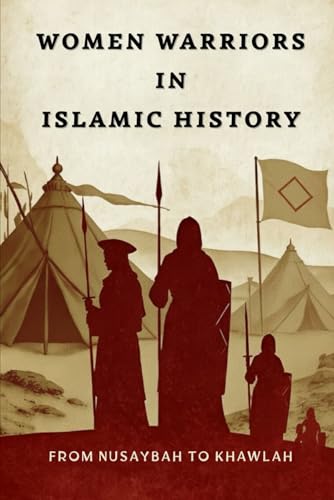
Women Warriors in Islamic History: From Nusaybah to Khawlah (Early Islamic History Collection)
As an affiliate, we earn on qualifying purchases.
As an affiliate, we earn on qualifying purchases.
Frequently Asked Questions
What Challenges Did Early Islamic Women Face in Leadership Roles?
Early Islamic women faced significant challenges in leadership roles due to entrenched gender stereotypes and social restrictions. You’d find that societal expectations often limited their opportunities, making it tough for them to assert authority. Many were discouraged from stepping into leadership positions, as traditional views prioritized male dominance. Despite their capabilities, they had to navigate a landscape that undervalued their contributions, making it essential for them to challenge these barriers to succeed.
How Did Women’s Rights Evolve in Early Islamic Society?
Women’s rights evolved markedly as they gained more social status and autonomy within early Islamic society. You’ll notice changes in women’s dress, which became a symbol of modesty and respect, reflecting their growing recognition. As women began participating in various societal roles, including commerce and education, their contributions led to a gradual shift in perception. This evolution helped establish a foundation for women’s rights, empowering them to assert their voices and influence.
Were There Specific Educational Institutions for Women in Early Islam?
No, there weren’t specific educational institutions solely for women in early Islam, but that didn’t stop women from pursuing literacy. You’d often find them learning within family settings or informal gatherings. Educational frameworks existed, such as mosques and madrasas, where both genders could study religious texts. Women participated in these environments, enhancing their knowledge and contributing to cultural and intellectual life, proving that education was valued, regardless of gender.
What Impact Did Female Entrepreneurs Have on Early Islamic Economies?
Female entrepreneurs considerably shaped early Islamic economies through their business ventures. You’d see them engaging in trade, agriculture, and various crafts, which not only provided income for their families but also stimulated local markets. Their economic influence extended beyond mere profit; it fostered social change, empowering more women to participate in commerce. These ventures challenged traditional norms, ultimately paving the way for a more inclusive economic landscape in early Islamic society.
How Did Women’s Contributions Differ Across Various Islamic Regions?
Women’s contributions varied widely across Islamic regions due to cultural influences and regional variations. For instance, in the bustling markets of 10th century Baghdad, a female silk merchant might’ve negotiated trade deals, showcasing her business acumen. Meanwhile, in rural areas, women often managed farms and households, adapting to local customs and economies. These differences highlight how women’s roles evolved based on their environment, reflecting both opportunities and challenges unique to their regions.

Women Scholars in Islam: Brilliant Minds Behind the Veil of Time
As an affiliate, we earn on qualifying purchases.
As an affiliate, we earn on qualifying purchases.
Conclusion
In early Islamic history, women played vital roles as leaders, scholars, and entrepreneurs, shaping their communities and challenging societal norms. Take Khadijah, the first wife of Prophet Muhammad, for instance. As a successful businesswoman, she not only supported her husband but also exemplified women’s potential in the economic sphere. By recognizing these remarkable contributions, we can inspire future generations to embrace the legacy of strong women in Islam, reminding everyone that their voices and actions matter.

A Treasury of 'A'ishah: A Guidance from the Beloved of the Beloved (Treasury in Islamic Thought and Civilization, 7)
As an affiliate, we earn on qualifying purchases.
As an affiliate, we earn on qualifying purchases.