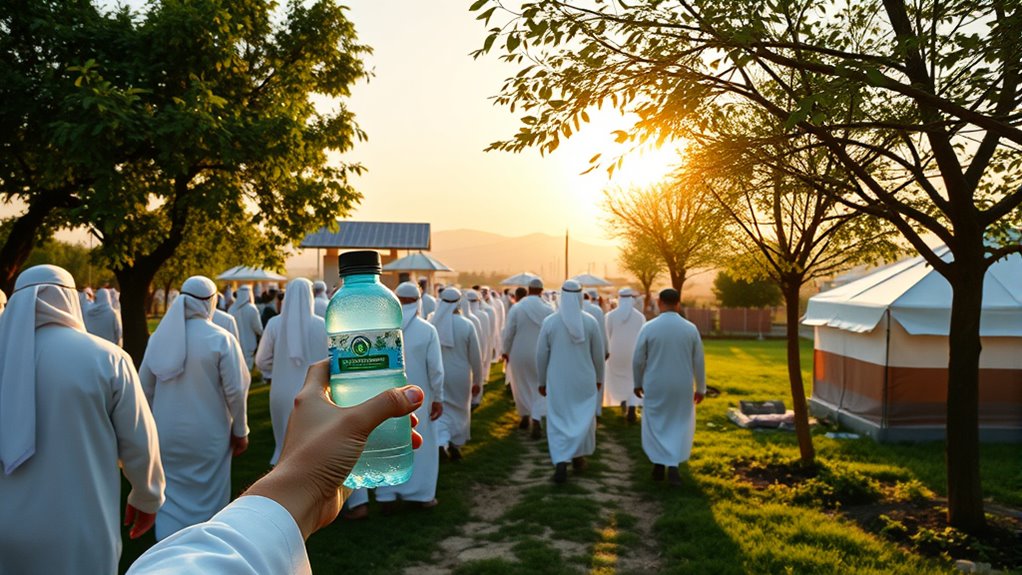

Embracing eco-conscious practices during Umrah and Hajj not only reduces your carbon footprint, but it also deepens your spiritual experience. Consider using public transport or carpooling, and commit to walking to sacred sites. Carry reusable water bottles, bring your own shopping bags, and support eco-friendly vendors to minimize waste. These small actions collectively have a significant impact. By connecting your spiritual journey with sustainability, you can enhance your pilgrimage while nurturing the environment. Discover even more sustainable practices that resonate with your values.
Key Takeaways
- Utilize public transport or carpool to minimize carbon emissions during Umrah and Hajj journeys.
- Carry reusable water bottles and shopping bags to significantly reduce single-use plastics.
- Support local vendors that prioritize eco-friendly practices to promote sustainable economies.
- Share eco-conscious knowledge with fellow pilgrims to foster a community committed to sustainability.
- Embrace walking as a means of transportation to enhance spiritual connections while reducing reliance on vehicles.

As you set out on the spiritual journey of Umrah or Hajj, it’s vital to consider how your practices can align with eco-conscious principles. Embracing sustainability not only enhances your pilgrimage experience but also reflects your commitment to preserving the environment. One of the most impactful ways to achieve this is through sustainable transportation. When planning your travel, opt for eco-friendly transportation options that minimize your carbon footprint. If possible, consider using public transport or carpooling with fellow pilgrims. This not only reduces emissions but also fosters a sense of community among travelers.
During your stay, walking is another effective way to navigate the sacred sites. The experience of walking allows you to connect more deeply with your spirituality and the spirit of pilgrimage. Plus, it greatly reduces the need for vehicles, further supporting your eco-conscious goals. Whether you’re heading to the Masjid al-Haram or other important sites, enjoy the journey on foot. It’s both a physical and spiritual exercise.
Waste reduction initiatives play an important role as well. As you partake in the rituals, be mindful of your waste production. Carry reusable water bottles and avoid single-use plastic bottles. Many mosques and public areas offer refill stations, making it easy to stay hydrated while minimizing waste. Additionally, bring your own shopping bags when purchasing items, as this simple act can dramatically reduce plastic waste. Remember, every small change you make can add up to a meaningful impact.
Support vendors and local businesses that prioritize eco-friendly practices. By choosing to buy from those who are conscious about their environmental footprint, you’re contributing to a sustainable economy. This not only enriches your pilgrimage experience but also helps promote a culture of sustainability within the community. Furthermore, consider incorporating cozy textiles into your accommodations, as they can enhance your comfort while remaining mindful of the materials used.
Lastly, educate yourself and others about the importance of eco-conscious practices during your pilgrimage. Share what you learn with fellow pilgrims, encouraging them to adopt sustainable habits too. The more people that join you in these efforts, the more profound the impact will be.
Frequently Asked Questions
What Are the Environmental Impacts of Hajj and Umrah on Local Ecosystems?
The environmental impacts of Hajj and Umrah on local ecosystems can be significant. You might notice desertification effects due to increased foot traffic and infrastructure development, leading to soil degradation. Additionally, wildlife disturbances occur as pilgrims disrupt natural habitats, causing stress to local species. As a result, the delicate balance of the ecosystem can be threatened, impacting biodiversity and the overall health of the environment in the region.
How Can Pilgrims Reduce Their Carbon Footprint During These Journeys?
You can reduce your carbon footprint during your pilgrimage by opting for renewable energy sources whenever possible, like solar-powered accommodations or transportation. Focus on waste reduction by bringing reusable items, such as water bottles and shopping bags, to minimize single-use plastics. Participate in local recycling programs and support businesses that prioritize sustainability. By making these conscious choices, you’ll contribute positively to the environment while enjoying your spiritual journey.
Are There Specific Eco-Friendly Accommodations Near the Holy Sites?
Finding eco-friendly accommodations near the holy sites is like stumbling upon a hidden gem in a vast desert. You’ll discover eco lodge options that prioritize sustainability and comfort, making your journey more meaningful. Many green hotel initiatives focus on reducing waste and conserving energy, allowing you to rest easy knowing your stay supports the environment. By choosing these options, you not only enhance your experience but also contribute positively to the pilgrim community.
What Sustainable Transportation Options Are Available for Pilgrims?
You’ve got some great sustainable transportation options during your pilgrimage. Consider using electric buses, which reduce carbon emissions while providing comfortable rides between sacred sites. If you’re looking to save on costs and minimize your environmental impact, shared rides are a fantastic choice, letting you connect with fellow pilgrims. These options not only make your journey more eco-friendly but also enhance your experience by fostering a sense of community among travelers.
How Can Pilgrims Contribute to Local Communities While Practicing Eco-Consciousness?
You can contribute to local communities while practicing eco-consciousness by engaging in community projects that focus on cultural preservation. Imagine participating in a clean-up event, where you’re not just caring for the environment but also learning about local traditions. By supporting local artisans or buying sustainable handicrafts, you help maintain cultural heritage. Collaborating with residents on eco-friendly initiatives allows you to give back while ensuring the rich culture thrives for future generations.
Conclusion
In the grand tapestry of faith, your eco-conscious choices during Umrah and Hajj weave vibrant threads of sustainability into the pilgrimage experience. By embracing these practices, you not only honor your spiritual journey but also protect the Earth for future generations. Each small action, from reducing waste to conserving water, creates ripples of positive impact. So, as you set out on this sacred journey, remember: your commitment to the planet is a powerful act of devotion.