Halal food festivals celebrate the vibrant tapestry of global cuisines. You’ll discover traditional dishes like Moroccan tagines and Indian biryanis, all representing diverse cultures. These festivals create lively environments full of laughter, music, and interaction. Chefs share their stories, making food a medium for cultural pride and connection. You’ll see how innovation blends tradition with contemporary tastes, enticing food lovers along the way. Stick around to uncover even more about the flavors and traditions that unite us all.
Key Takeaways
- Halal food festivals highlight cultural diversity through traditional dishes, showcasing flavors from various regions such as Moroccan, Indian, and Turkish cuisine.
- These festivals promote culinary innovation, blending traditional recipes with contemporary tastes to create unique fusion dishes that attract food enthusiasts.
- Interactive environments allow chefs to share stories behind their dishes, fostering a deeper understanding of cultural significance and heritage among attendees.
- The vibrant atmosphere of halal food festivals encourages community bonding and cultural pride, uniting people from different backgrounds through shared culinary experiences.
- Incorporating natural materials in festival settings enhances authenticity, creating an inviting ambiance that celebrates the unifying power of food across continents.

Have you ever wondered what makes halal food festivals such vibrant celebrations of culture and cuisine? When you step into one of these festivals, you’re immediately enveloped in a tapestry of aromas, colors, and sounds that reflect the rich cultural diversity of the communities they represent. Each stall tells a story, showcasing traditional dishes that have been passed down through generations. Yet, what’s fascinating is how these traditional recipes often blend with modern food innovation, creating a unique culinary experience that’s both familiar and exciting.
As you wander through the festival, you’ll notice that halal food isn’t just about adhering to dietary laws; it’s a celebration of heritage. You might find Moroccan tagines next to Indian biryanis, or Turkish kebabs alongside Somali sambusas. Each dish offers a glimpse into the cultural background of its creators, and you get the chance to taste the world in a single afternoon. This cultural exchange fosters a sense of community, inviting everyone to explore and appreciate the diverse flavors that halal cuisine has to offer.
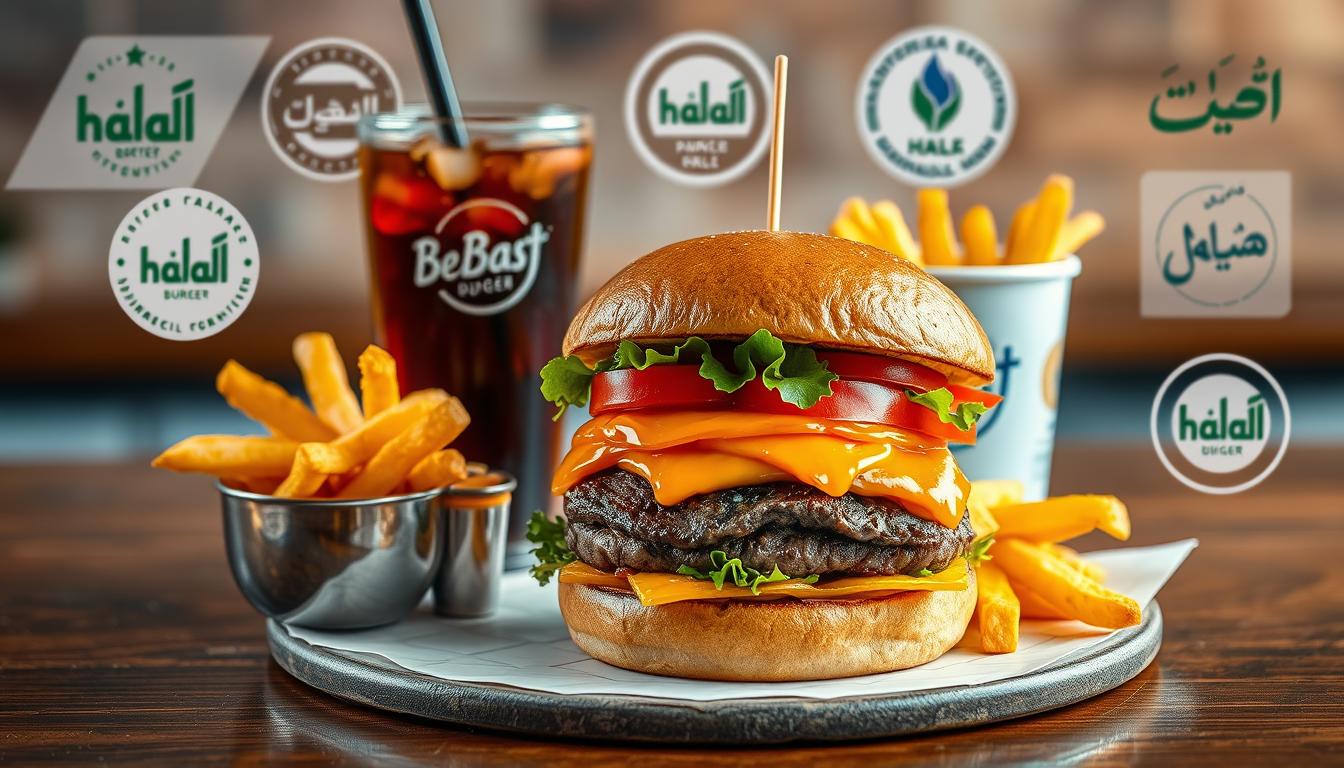
Food innovation plays an essential role, too. You’ll see chefs experimenting with traditional ingredients, reimagining classic dishes to cater to contemporary tastes while still respecting their roots. Think about how a classic falafel could be served as a gourmet burger or wrapped in a fusion-style taco. These creative twists not only attract food enthusiasts but also bridge gaps between cultures, encouraging dialogue and understanding.
The atmosphere at halal food festivals is often electric. You’ll hear laughter, see families enjoying meals together, and watch chefs passionately explain their dishes. It’s a space where cultural pride shines, and you might find yourself learning about the significance of certain dishes or the stories behind them. This interactivity enhances your experience, making you feel connected to the food and the people who prepare it.
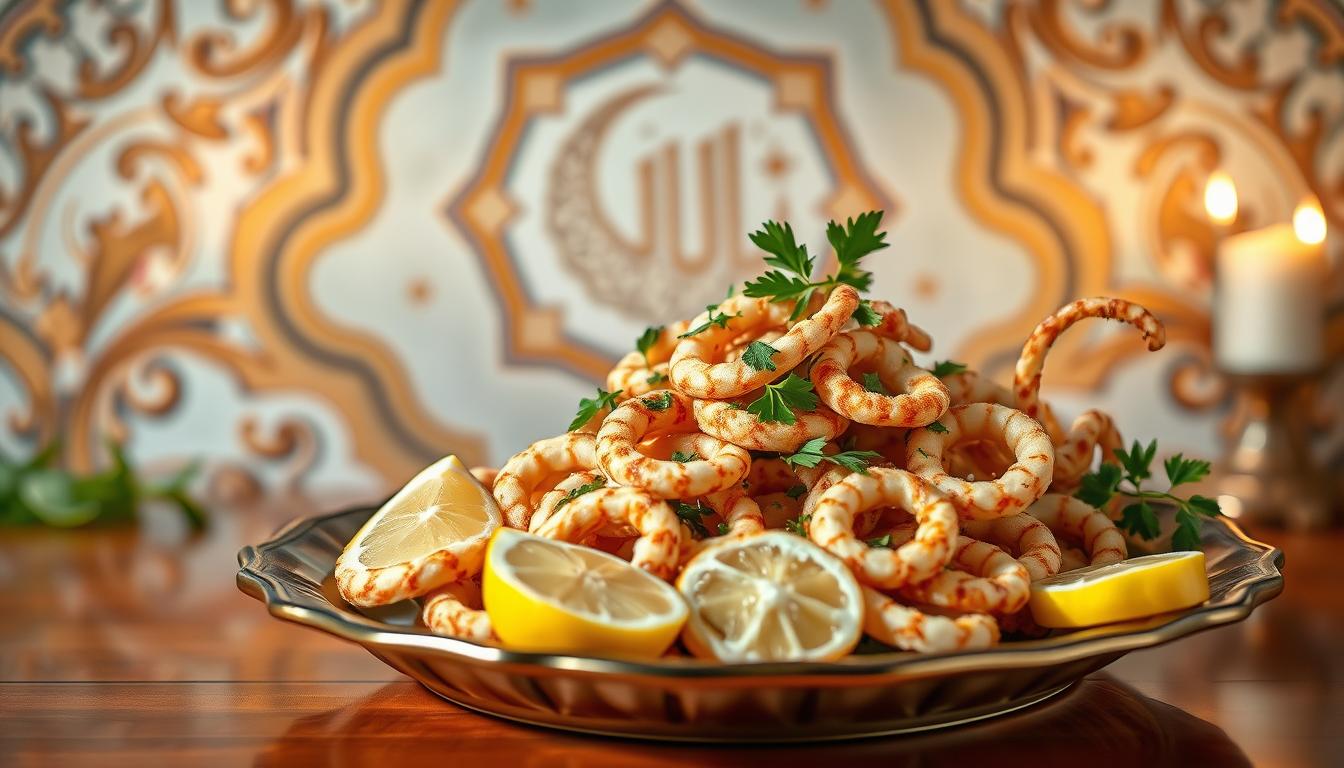
As you savor each bite, you’re participating in something bigger than just a meal; you’re partaking in a global celebration. Halal food festivals remind us that food can transcend borders, bringing people together regardless of their backgrounds. With each flavor, you’re not just satisfying your taste buds but also embracing the richness of cultural diversity and the spirit of food innovation. So, next time you’re at a halal food festival, take a moment to appreciate the vibrant tapestry of culture and cuisine that surrounds you. Additionally, the use of natural materials in food festival settings can enhance the overall ambiance, reflecting the authenticity of the culinary experiences on offer.

HOTEC 446°F Heat Resistant Silicone Kitchen Utensils, Cooking Utensil Set, Spatula Set, BPA Free, Kitchen Gadgets, With Stainless Steel Utensils Holder, Dishwasher Safe 14pcs Khaki
【HIGH QULAITY】: Made of food grade silicone with Non-rust Stainless Steel,BPA Free, sturdy. Unlike the nylon or wooden…
As an affiliate, we earn on qualifying purchases.
As an affiliate, we earn on qualifying purchases.
Frequently Asked Questions
Are All Halal Festivals Family-Friendly Events?
Not all halal festivals are family-friendly events, but many aim to create a welcoming atmosphere for all ages. You’ll often find cultural performances that entertain and engage children and adults alike. Additionally, the presence of halal certification ensures that the food served is suitable for everyone. It’s a good idea to check the specific festival’s details to see if they offer activities and amenities tailored for families.
Can Non-Muslims Attend Halal Food Festivals?
Absolutely, non-Muslims can attend halal food festivals, just like a curious traveler exploring new lands. These events offer a perfect opportunity for cultural exchange, allowing you to taste delicious dishes while learning about dietary restrictions. You’ll find a warm, welcoming atmosphere where everyone can enjoy the flavors and traditions presented. So, don’t hesitate to join in; you’ll leave with new experiences and maybe even new friends!
Is There an Entry Fee for These Festivals?
Yes, there’s usually an entry fee for halal food festivals, but ticket pricing can vary. Some festivals offer free admission, while others charge a small fee to help with costs. You’ll find that many events aim for festival accessibility, ensuring everyone can join in the fun. Check the specific festival’s website for details on pricing and options, so you’re prepared when you decide to attend. Enjoy the experience!
What Types of Entertainment Are Featured at Halal Food Festivals?
At halal food festivals, you’ll find a vibrant mix of entertainment that enhances the culinary experience. Expect cultural performances showcasing traditional dances and storytelling that bring diverse heritages to life. You’ll also enjoy live music, featuring local artists and bands that create an energetic atmosphere. These elements not only celebrate food but also foster a sense of community, making the festival an enriching experience for everyone involved.
How Can Vendors Participate in Halal Food Festivals?
To participate in halal food festivals, you’ll need to complete the vendor registration process, which usually involves submitting an application and paying a fee. Familiarize yourself with the festival logistics, such as setup times, space requirements, and health regulations. It’s vital to make certain your menu meets halal guidelines and aligns with the festival’s theme. Once accepted, promote your booth to attract visitors and create a memorable experience for everyone involved.

KooK Moroccan Tagine, Enameled Cast Iron Cooking Pot, Tajine with Ceramic Cone-Shaped Closed Lid, 3.3 QT, (Terracotta)
One Pot Wonder: The tagine is legendary for cooking the most tender, aromatic and flavorful stews.
As an affiliate, we earn on qualifying purchases.
As an affiliate, we earn on qualifying purchases.
Conclusion
As you savor the diverse flavors at halal food festivals, remember that each bite tells a story, weaving together cultures from across continents. These celebrations not only tantalize your taste buds but also unite communities, showcasing the beauty of inclusivity in cuisine. So, immerse yourself in the deliciousness, explore new dishes, and embrace the rich tapestry of traditions that make halal food a feast for both the palate and the soul. Your culinary adventure awaits!

KSJONE Stainless Steel Biryani Handi Set | Premium Steel Hammered Finish Tope, Patila Handi | with Hammered Design, Tableware & Serveware for Home, Kitchen, Hotel & Restaurants (1.5 Quart & 2.5 Quart)
This serving bowl 2 Pcs (1.5 Quart & 2.5 Quart) The hammered texture provides an attractive, rustic appearance,…
As an affiliate, we earn on qualifying purchases.
As an affiliate, we earn on qualifying purchases.

Let's Get Cooking: Everyday Meals, Tipsy Favorites and Comfort Food Cravings (A Cookbook)
As an affiliate, we earn on qualifying purchases.
As an affiliate, we earn on qualifying purchases.