
Halal tourism boosts local economies by adapting infrastructure and creating job opportunities, which enriches community life. As businesses cater to Muslim travelers, they contribute to cultural preservation and promote unique traditions. This not only elevates the area’s appeal but also enhances amenities for everyone. Local communities thrive as halal tourism encourages respect for cultural practices, fostering understanding among diverse groups. If you’re interested in exploring how this connection unfolds, there’s much more to discover.
Key Takeaways
- Halal tourism boosts local economies by increasing visitor numbers, leading to higher spending in businesses and attractions.
- Infrastructure developments for halal tourism enhance amenities, benefiting both tourists and residents through improved services.
- Local job opportunities grow as businesses adapt to serve halal travelers, positively impacting community employment levels.
- Cultural preservation efforts are strengthened through halal tourism, promoting community identity and heritage among locals and visitors.
- Economic growth from halal tourism fosters social exchange, enhancing mutual understanding and respect between diverse cultures.
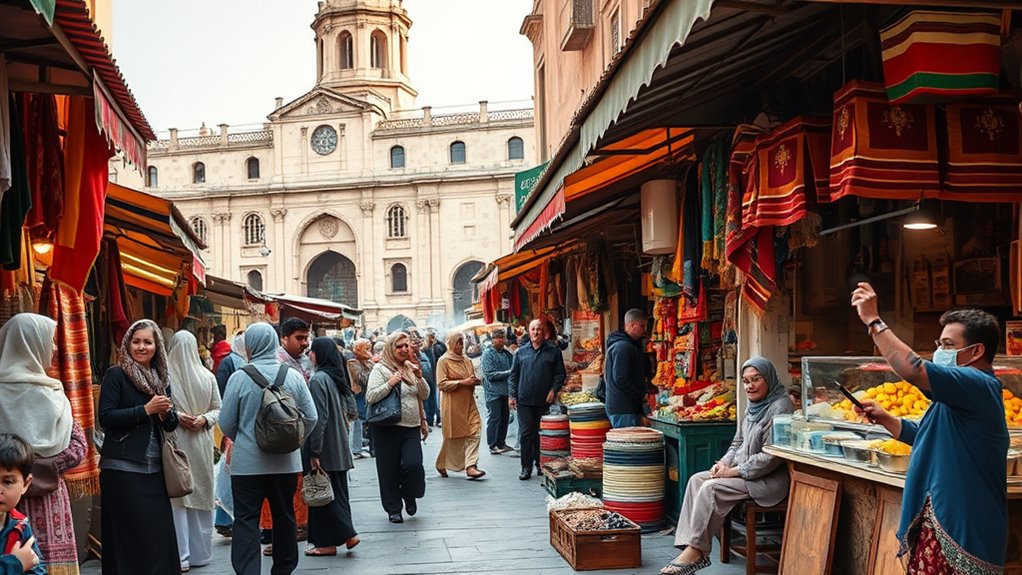
As the global travel industry evolves, you might find that halal tourism is gaining traction, substantially contributing to economic growth in various regions. This sector caters specifically to Muslim travelers, focusing on their unique needs and preferences. With the increasing number of Muslim tourists seeking destinations that respect their cultural and religious practices, many local communities are beginning to reap the benefits. This growth in halal tourism not only boosts local economies but also fosters cultural preservation and infrastructure development.
Halal tourism is thriving, enriching local economies while honoring cultural practices and fostering community development.
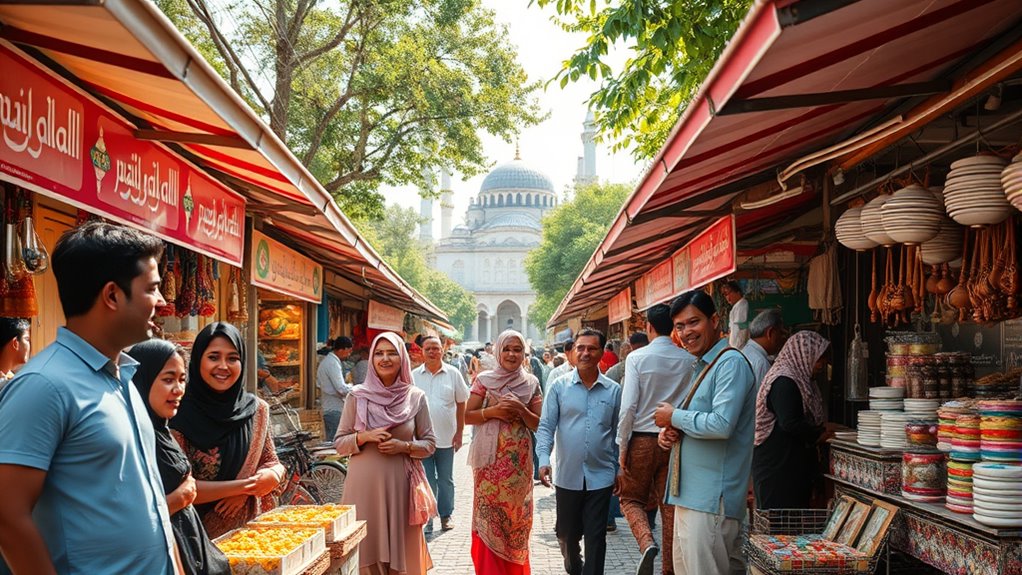
When you think about the impact of halal tourism on a community, consider how it encourages the preservation of local cultures. As communities welcome Muslim travelers, they often showcase their cultural heritage through traditional events, food, and crafts. This creates an environment where cultural exchange flourishes, allowing locals to share their customs while learning about the diverse backgrounds of their visitors. By promoting their unique traditions, communities strengthen their identity and ensure that their cultural practices are passed down to future generations.
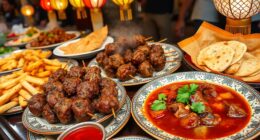
Moreover, the demand for halal-friendly services leads to significant infrastructure development in the areas that cater to this tourism market. Hotels, restaurants, and attractions that accommodate Muslim travelers often undergo renovations or new constructions to meet the specific needs of this demographic. For instance, you may find prayer facilities integrated into hotels or halal food options readily available in local eateries. This infrastructure development not only benefits tourists but also enhances the overall experience for residents, as these improvements often result in better amenities and services across the board.
As local businesses adapt to cater to halal tourism, they can create new job opportunities for residents. This economic growth can lead to an increase in disposable income for families, allowing them to invest in education, healthcare, and other essential services. When you see a community thriving economically, it’s often a direct reflection of how well they’ve embraced the concept of halal tourism. Additionally, the rise in halal tourism encourages the preservation of local cultures, which can further enrich the community’s economic and social fabric.
Top picks for "halal tourism economic"
Open Amazon search results for this keyword.
As an affiliate, we earn on qualifying purchases.
Frequently Asked Questions
What Is the Definition of Halal Tourism?
Halal tourism refers to travel experiences tailored for Muslim travelers, ensuring that all aspects comply with Islamic principles. This includes halal certification for food, prayer facilities, and accommodations that respect cultural integration. When you choose halal tourism, you’re engaging in a travel experience that aligns with your values, allowing you to explore new destinations while observing your beliefs. It’s about enjoying your journey without compromising your faith and traditions.
How Do Local Businesses Adapt to Halal Tourism Demands?
Local businesses adapt to halal tourism demands by implementing innovative strategies and focusing on halal product innovation. You’ll notice restaurants adjusting menus to include halal options, while hotels offer prayer facilities and halal-certified amenities. Shops also stock a range of halal products, ensuring they meet the expectations of Muslim travelers. By embracing these local business strategies, they not only attract more customers but also enhance the overall experience for those seeking halal-friendly services.
Are There Certification Processes for Halal Tourism Providers?
Yes, there’re certification processes for halal tourism providers. You’ll find that many organizations set certification standards to guarantee compliance with halal principles. When a provider meets these criteria, they receive accreditation, which builds trust with travelers seeking halal options. This guarantees you enjoy experiences aligned with your beliefs. As you explore, look for certified providers; it’ll make your journey smoother and more authentic, enhancing your overall travel experience.
How Does Halal Tourism Impact Cultural Preservation?
Halal tourism helps preserve cultural integrity by encouraging communities to promote their heritage through authentic experiences. When you engage with local traditions, you support heritage conservation efforts, ensuring that customs and practices thrive. Visitors become more aware of the significance of cultural diversity, which fosters respect and appreciation for local values. By participating in halal tourism, you contribute to the sustainability of cultural sites, helping them remain vibrant and relevant for future generations.
What Are the Challenges Faced by Halal Tourism in Non-Muslim Countries?
You’ll face several challenges with halal tourism in non-Muslim countries. Community engagement can be limited, as locals may not fully understand the needs of Muslim travelers. Cultural misunderstandings often arise, leading to misconceptions about halal practices. Additionally, insufficient infrastructure for halal amenities can deter visitors. It’s essential to foster dialogue and educate both tourists and locals to bridge these gaps and create a more welcoming environment for everyone involved.
Conclusion
In conclusion, halal tourism isn’t just about catering to specific religious needs; it’s a powerful driver of economic growth for local communities. Did you know that the halal tourism market is projected to reach $274 billion by 2026? This booming sector creates jobs, boosts local businesses, and encourages cultural exchange. By embracing halal tourism, communities can thrive while showcasing their unique heritage, making it a win-win for everyone involved. So, let’s support and celebrate this growing trend!