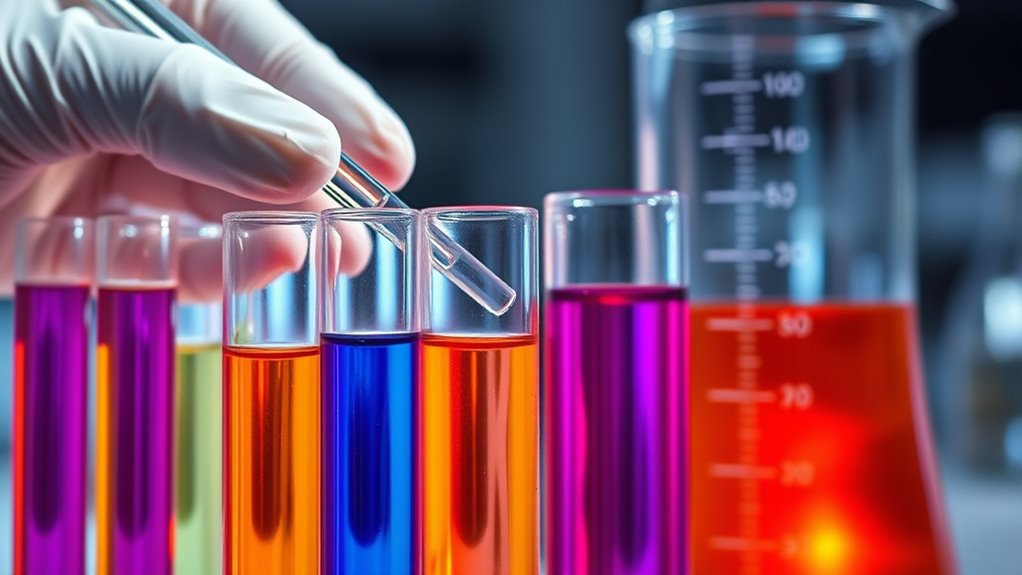

Many enzymes and emulsifiers in food are derived from microbial sources, making them generally halal-safe if produced properly. However, some come from animal tissues or involve alcohol, which can affect their halal status. To be sure, look for trusted halal certifications and verify the source and production methods. If you’re curious about how these additives are made and how to choose halal options confidently, keep exploring for more information.
Key Takeaways
- Most microbial enzymes are considered halal, as they are produced using fungi or bacteria, not from animal sources.
- Enzymes derived from animals or processed with alcohol may not be halal; verification is essential.
- Emulsifiers can be synthetic or plant-based, with many halal-certified options available in the market.
- Trustworthy halal certification ensures enzymes and emulsifiers meet Islamic dietary requirements.
- Consumers should check labels and certifications to confirm the halal status of processed food ingredients.
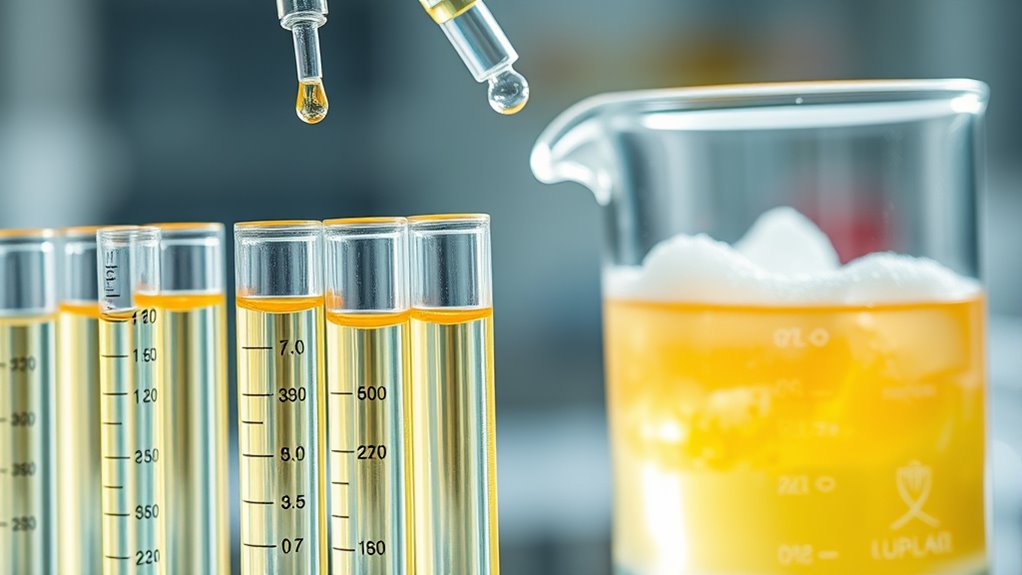
Have you ever wondered how certain foods change texture or break down more easily? You might notice that some processed products seem softer, smoother, or more digestible than their raw counterparts. This is often thanks to enzymes—biological catalysts that speed up chemical reactions—used during manufacturing. Enzymes help break down complex molecules like fats, proteins, and carbohydrates into simpler, more manageable forms. For example, in cheese production, enzymes like rennet help coagulate milk, transforming it from a liquid into a solid curd. In fruit juices, enzymes such as pectinase clear the pulp, making the liquid clearer and more appealing. These natural agents are essential not only for improving texture and taste but also for increasing shelf life and digestibility.
Enzymes improve food texture, digestibility, and shelf life by breaking down complex molecules during processing.
When it comes to whether enzymes are halal, the question often hinges on their source. Many enzymes are derived from animals, which might raise concerns for those who follow halal dietary laws. However, a significant number are produced through microbial fermentation, using fungi or bacteria. These microbial enzymes are generally considered halal because they are not derived from forbidden (haram) sources like pigs or non-halal slaughtered animals. Instead, they are created using microorganisms that are either naturally occurring or genetically modified in controlled environments. This process is similar to how some medicines or food additives are made, and many halal certifiers approve microbial enzymes after thorough review. Still, it’s essential to verify the source and production process, as some enzymes might originate from animal tissues or be processed with alcohol, which could affect their halal status.
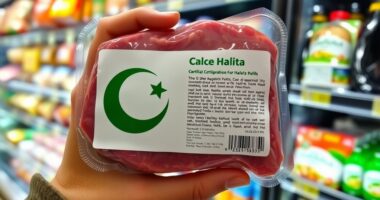
Emulsifiers, on the other hand, are additives that help mix ingredients that normally don’t combine well, like oil and water. They’re found in countless processed foods—mayonnaise, chocolate, baked goods, and ice cream, to name a few. While emulsifiers themselves are often synthesized chemically, some are derived from animal fats or ingredients that might not meet halal standards. The key is to check whether the emulsifier is plant-based, synthetic, or derived from permissible sources. Many manufacturers now produce halal-certified emulsifiers, making it easier for consumers to identify products that align with their dietary restrictions. It’s always wise to read labels carefully and look for trustworthy halal certification symbols.
Ultimately, understanding the source and production process of enzymes and emulsifiers helps you make informed choices. With the right information, you can enjoy processed foods without compromising your dietary principles. As the food industry continues to evolve, more halal-certified options are becoming available, ensuring that you don’t have to sacrifice convenience for your beliefs. Just remember to stay vigilant and seek out trusted certifications to ensure the products you consume truly meet halal standards.
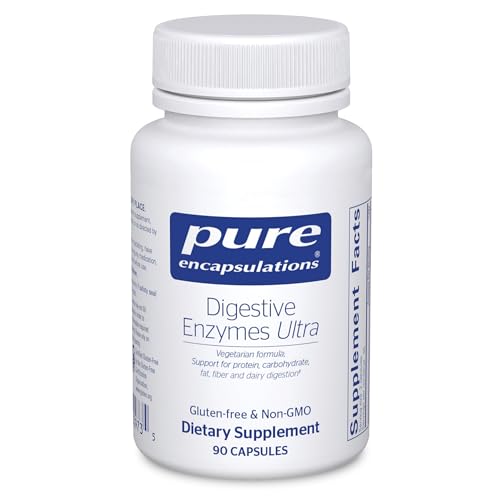
Pure Encapsulations Digestive Enzymes Ultra – Vegetarian Digestive Enzyme Supplement to Support Protein, Carb, Fiber, and Dairy Digestion* – 90 Capsules
Nutrient Absorption: Contains a mixture of vegetarian enzymes developed to support nutrient bioavailability and absorption; supports digestion*
As an affiliate, we earn on qualifying purchases.
As an affiliate, we earn on qualifying purchases.
Frequently Asked Questions
Are All Enzymes Derived From Animal Sources Considered Halal?
Not all enzymes from animal sources are considered halal. It depends on how the animals are slaughtered and whether the enzyme extraction process adheres to Islamic dietary laws. If the animals are slaughtered according to halal standards and the enzyme is extracted without cross-contamination, it can be regarded halal. Always check for certification to guarantee the enzyme’s source and processing meet halal requirements.
Can Plant-Based Emulsifiers Be Contaminated With Non-Halal Ingredients?
Yes, plant-based emulsifiers can get contaminated with non-halal ingredients during processing or handling. You should check labels carefully, look for certification, and inquire about manufacturing practices. Cross-contamination can occur if equipment isn’t dedicated to halal products. To guarantee your food stays halal, choose products from trusted brands that follow strict halal standards, and always verify the sourcing and processing details to avoid inadvertent contamination.
How Can Consumers Verify the Halal Status of Enzyme Products?
You can verify the halal status of enzyme products by checking for certified halal labels on packaging, which indicate approval from recognized halal certification bodies. Always read ingredient lists carefully to spot any non-halal components. You might also visit the manufacturer’s website or contact customer service for detailed halal certification information. Staying informed about reputable certifiers helps make sure you’re selecting products that meet your dietary requirements.
Do Processing Methods Affect the Halal Certification of Enzymes?
Just like a knight’s armor, processing methods can impact an enzyme’s halal status. If enzymes are derived from non-halal sources or undergo mixing with non-halal ingredients during processing, they might lose their certification. You should check if the manufacturer follows strict halal guidelines and guarantees no cross-contamination. Always look for trustworthy halal certifications, and don’t hesitate to ask suppliers about their processing practices to stay confident in your choices.
Are Genetically Modified Enzymes Permissible in Halal Diets?
Yes, genetically modified enzymes can be permissible in halal diets if they meet specific Islamic guidelines. You should verify that the genetic modification process doesn’t involve haram substances or methods, and that the enzymes are produced in facilities adhering to halal standards. Consulting a qualified halal certifier or scholar ensures the enzymes align with your faith requirements, giving you confidence in their permissibility within a halal diet.

Lab Alley Magnesium Stearate, Derived from Palm Oil, RSPO MB, Kosher, Halal, Reagent, Emulsifier & Flatting Agent for Cosmetics and Industrial Use (10 Pounds)
RSPO MB Magnesium Stearate: Responsibly sourced palm-derived ingredient certified under the Roundtable on Sustainable Palm Oil (RSPO) Mass…
As an affiliate, we earn on qualifying purchases.
As an affiliate, we earn on qualifying purchases.
Conclusion
So, are enzymes and emulsifiers truly halal? The truth is, it depends. Many are derived from plant sources and are generally considered permissible. However, some come from animal or microbial sources that might not meet halal standards. It’s essential to verify the origin and certification of these additives. Don’t assume; do your research to ensure what you consume aligns with your faith. Staying informed helps you make confident, halal choices every time.

Nuvia Organics Emulsifying Wax, 100% Natural Plant Derived, NF, Cosmetic & Food Grade; 6oz
Emulsifying Wax NF, Food grade and Cosmetic grade
As an affiliate, we earn on qualifying purchases.
As an affiliate, we earn on qualifying purchases.

Hearthy Foods Beef Gelatin Powder Unflavored Gelatin Powder for Women and Men | Keto and Paleo Friendly Pure Protein Type 1 & 3, Grass-Fed Halal Certified, Non-GMO, Kosher Gelatin | 16 oz. 454g
GRASS FED GELATIN POWDER – This Natural Unflavored Gelatin Powder is prepared taking Islamic Principles into account. The…
As an affiliate, we earn on qualifying purchases.
As an affiliate, we earn on qualifying purchases.