Halal symbols and logos are vital for identifying products that comply with Islamic dietary laws. These marks indicate that items have undergone certification, ensuring no non-halal ingredients or contamination. However, not all symbols are the same; some come from recognized organizations while others may not be credible. It’s essential to familiarize yourself with regional certifications and verify their authenticity. This knowledge helps you make informed decisions that align with your beliefs. Discover more insights on this topic ahead.

Get kitchen staples and gadgets delivered free — and shop member deals
- Fast, free delivery on millions of items
- Access to Prime Big Deal Days deals on October 6–7
- Prime Video, Amazon Music and more included
Key Takeaways
- Halal symbols indicate that products meet Islamic dietary laws and have undergone a certification process for compliance.
- Certification involves inspection and auditing by recognized bodies to ensure products are free from non-halal ingredients.
- Familiarize yourself with both global and regional certification bodies to understand the different halal standards in your area.
- Look for widely accepted logos on product packaging to confirm authenticity and enhance confidence in the halal claim.
- Always verify the credibility of certifying organizations before purchasing to ensure adherence to halal principles.
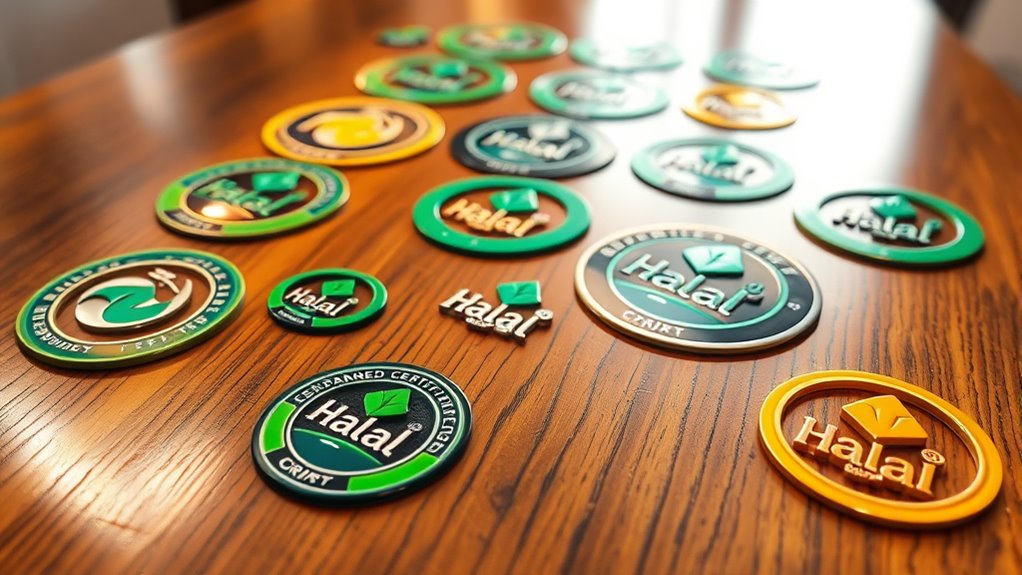
Have you ever wondered how to identify halal products in a crowded marketplace? With so many options available, it can feel overwhelming to make sure you’re choosing items that align with halal dietary laws. The good news is that there are symbols and logos designed to help you navigate this landscape. Understanding these halal symbols is essential for guaranteeing that the products you select meet the necessary requirements.
When you see a halal certification mark on a product, it typically indicates that the item has undergone a rigorous certification process. This process guarantees that the product complies with Islamic dietary laws. Different certifying bodies may have varying standards, but they all aim to uphold the principles of halal. Familiarizing yourself with these symbols can save you time and effort, making your shopping experience more straightforward.
Many halal certification organizations operate globally, each adhering to specific guidelines that align with international halal standards. These organizations conduct thorough inspections and audits to confirm that the products are free from any non-halal ingredients or contamination. You’ll often notice that reputable brands display their certification clearly on packaging, which is a good sign that they prioritize transparency and compliance.
It’s important to check for recognized logos when you’re shopping. Some symbols are widely accepted across countries, while others may be specific to certain regions. A common mistake is assuming that all halal symbols are the same; it’s vital to do a bit of research. Look for certifications from well-known organizations that have a strong reputation in the halal community. This way, you can be more confident that the products meet global halal standards.
Another tip is to familiarize yourself with the different certifications available within your region. In some areas, there may be multiple certifying bodies, each with its own symbols. Understanding these can help you make informed choices. If you’re ever in doubt, don’t hesitate to reach out to the manufacturer or consult reliable online resources for guidance on their halal status.
Ultimately, being vigilant about halal symbols and logos empowers you to make choices that align with your beliefs. Keep an eye out for certified products, and trust the process. With a little knowledge, you can confidently navigate the marketplace and enjoy the peace of mind that comes with knowing your food adheres to halal standards.
Frequently Asked Questions
Are All Halal Certifications Recognized Worldwide?
Not all halal certifications are acknowledged worldwide. Each country has its own standards and halal certification agencies, which can lead to variations in the halal certification process. You’ll find some certifications are more widely accepted than others, depending on local regulations and consumer trust. When you’re looking for halal products, it’s essential to verify the certification agency’s credibility to ascertain it meets the standards you expect.
How Can I Verify the Authenticity of a Halal Certification?
Verifying the authenticity of a halal certification is like checking the seal on a treasure chest. Start by researching the certification authorities that issued the mark; reputable bodies follow stringent certification processes. Look for transparency in their methods and validate they’re recognized in your region. You can also contact the certifying authority directly to confirm the certification’s validity. Always trust your instincts and do your homework before making a purchase.
What Are the Consequences of Consuming Non-Halal Products?
Consuming non-halal products can lead to significant health risks and religious implications. You might experience digestive issues or adverse reactions due to ingredients that don’t align with your dietary beliefs. Additionally, it can create a conflict with your religious values, affecting your spiritual well-being. Choosing non-halal options may cause feelings of guilt or disconnection from your faith. It is crucial to be mindful of what you consume to maintain both health and spiritual integrity.
Can Halal Certification Apply to Non-Food Items?
Yes, halal certification can apply to non-food items like cosmetics and pharmaceuticals. You’ll find halal cosmetics made from permissible ingredients, ensuring they align with Islamic guidelines. Similarly, halal pharmaceuticals are produced without any haram substances, making them suitable for Muslim consumers. When shopping for these products, look for halal certification labels, as they guarantee adherence to halal standards, giving you peace of mind about what you’re using on your body.
How Do Halal Standards Vary by Country?
Halal standards vary considerably by country due to cultural differences and regional regulations. In some nations, stricter guidelines may apply, influenced by local practices and interpretations of Islamic law. You’ll find that what’s considered halal in one region might not meet the standards in another. It’s crucial to research the specific requirements of each country to guarantee compliance and understanding of their unique halal practices.
Conclusion
Exploring the world of halal symbols and logos is like finding your way through a dense forest; it can be tricky without a clear map. By understanding these certification marks, you’re not just ensuring the food you consume aligns with your beliefs, but you’re also supporting businesses that respect your values. So, the next time you shop, keep an eye out for those symbols—they’re your compass in making informed choices that nourish both body and soul.
NFL season / tailgating Picks
team gear
As an affiliate, we earn on qualifying purchases.