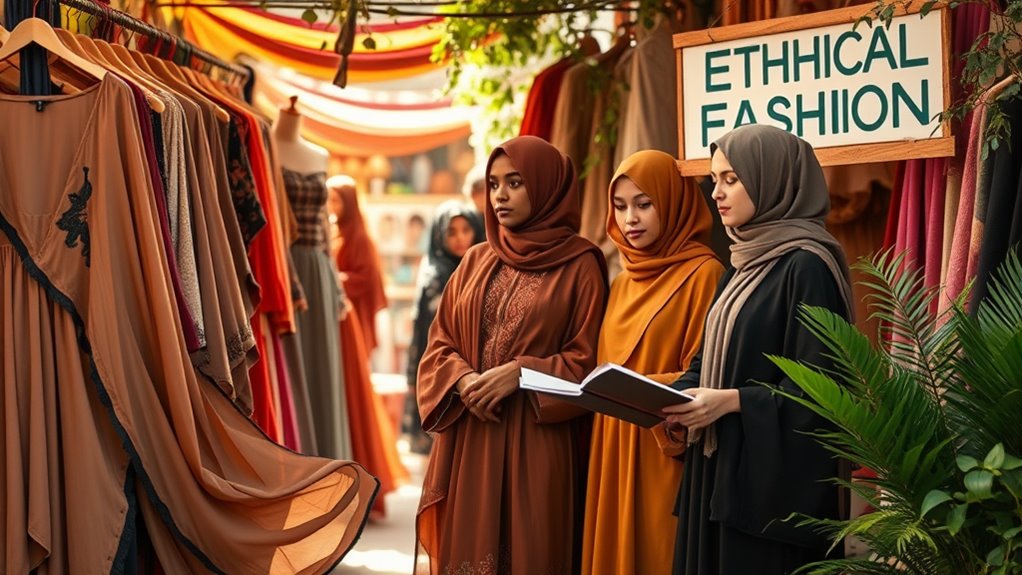
Halal fashion start-ups are changing the game by blending ethics with style. You’ll find brands focusing on modesty and contemporary trends, ensuring you don’t sacrifice fashion for values. These companies prioritize supply chain transparency and ethical production, allowing you to trust your clothing choices. With innovative designs and advanced fabric technology, they offer stylish options for any occasion. Stick around to discover how this movement is reshaping the fashion industry for the better.
Key Takeaways
- Halal fashion start-ups prioritize modesty and style, merging cultural values with contemporary design trends to attract diverse consumers.
- Transparency in the supply chain builds consumer trust, allowing them to trace the origins and production processes of their clothing.
- Innovative fabric technology enhances comfort, enabling the creation of stylish, modest garments suitable for various occasions without sacrificing fashion.
- Ethical production practices are central to halal fashion brands, promoting responsible manufacturing and aligning with consumers’ values of sustainability and integrity.
- The movement is transforming industry standards, advocating for a future where fashion is both beautiful and ethically produced, fostering mindfulness in consumer choices.
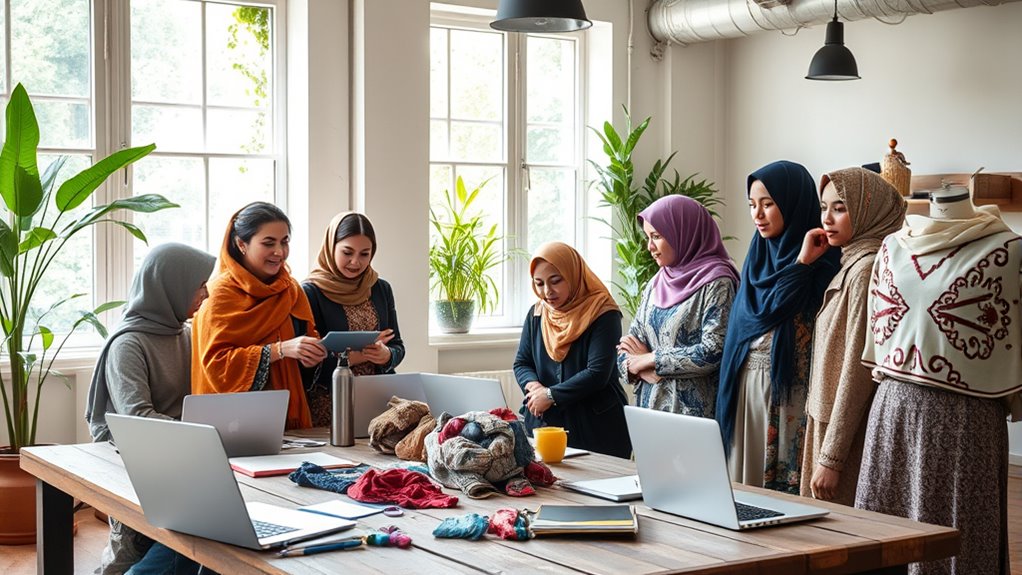
Have you ever wondered how the fashion industry can embrace modesty while staying on trend? If you’re thinking about halal fashion start-ups, you’re tapping into a growing movement that prioritizes ethics alongside style. These brands aren’t just about creating beautiful, modest clothing; they’re also committed to building consumer trust through supply chain transparency. This transparency is essential in today’s market, where consumers are more informed and conscientious than ever before.
Embrace halal fashion start-ups that blend modesty and ethics, prioritizing consumer trust through transparent supply chains.
When you choose halal fashion, you’re supporting a vision that aligns with values of modesty and ethical production. Start-ups in this space recognize that you want to feel good about what you wear—not just in terms of aesthetics but also regarding the impact your choices have on the world. By ensuring their supply chains are transparent, these brands allow you to trace the journey of your clothing from raw materials to finished product. You can rest assured that your garments are produced ethically, without compromising your beliefs or values.
Moreover, the appeal of halal fashion extends beyond just modesty. These start-ups are innovating in design and fabric technology, which means you can enjoy contemporary styles that meet your religious and cultural standards. You don’t have to sacrifice fashion for modesty—many of these brands are crafting pieces that are not only stylish but also versatile. Whether you’re dressing for work, a casual outing, or a special event, you’ll find options that fit your lifestyle while adhering to your values.
As you explore the world of halal fashion, consider how these brands are reshaping consumer trust. They’re transparent about their production processes, sharing stories of artisans and workers who contribute to each piece. This level of openness fosters a connection between you and the brand, allowing you to feel more than just a consumer. You become part of a community that values integrity and responsibility in fashion.
In a landscape where sustainability and ethical practices are becoming essential, halal fashion start-ups are leading the charge. They’re not just filling a niche; they’re changing how you view fashion altogether. With their commitment to supply chain transparency and consumer trust, these brands are paving the way for a future where fashion is both beautiful and ethical. Additionally, incorporating mindfulness techniques into your shopping experience can enhance your awareness of the impact your fashion choices make. So next time you’re looking for something new to wear, consider how your choices reflect your values and the kind of impact you want to make in the world. Embrace the change and support the movement towards a more conscious fashion industry.
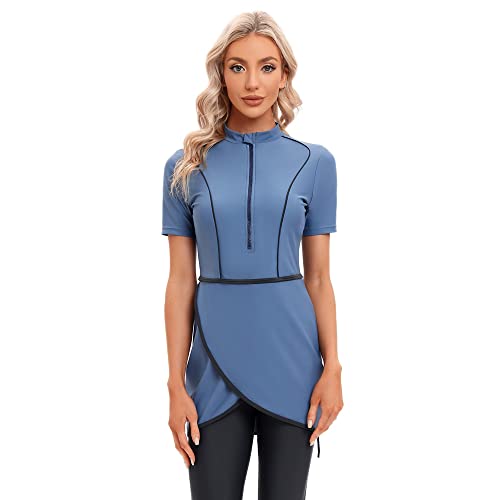
Muslim Swimwear Sets Women Clothing Modest Patchwork Hijab Long Sleeves Sport Swimsuit Islamic Burkini Wear Bathing Suit (as1, Alpha, m, Regular, Regular, Blue, M)
Material: 80% Polyester + 20% Spandex, Breathable, quick drying, light weight and soft .
As an affiliate, we earn on qualifying purchases.
As an affiliate, we earn on qualifying purchases.
Frequently Asked Questions
What Materials Are Considered Halal in Fashion Production?
In fashion production, materials like sustainable textiles and vegan leather are considered halal. These materials align with ethical and environmental standards, ensuring they’re cruelty-free and made without harmful substances. When you choose fabrics like organic cotton or bamboo, you’re supporting sustainable practices. Vegan leather, made from materials like polyurethane or cork, offers a stylish yet ethical alternative to traditional leather. By opting for these materials, you contribute to a more responsible fashion industry.
How Do Halal Fashion Brands Ensure Ethical Labor Practices?
Did you know that over 60% of consumers prefer brands that prioritize ethical labor practices? Halal fashion brands ensure this by maintaining supply chain transparency, allowing you to see where materials come from and how workers are treated. They often implement fair wage policies, ensuring workers receive just compensation for their efforts. By choosing these brands, you support a movement that values both ethical standards and quality craftsmanship in fashion.
Are There Specific Certifications for Halal Fashion Items?
Yes, there are specific certification standards for halal fashion items. You’ll find various organizations that assess compliance with halal requirements, ensuring materials and production processes align with Islamic principles. These certifications often enhance cultural acceptance, making it easier for consumers to trust that products meet their values. When you see a certified label, it gives you confidence that the brand respects ethical practices while catering to your beliefs and lifestyle.
Can Halal Fashion Be Stylish and Trendy?
Absolutely, halal fashion can be stylish and trendy! Think of it as the perfect blend of cultural influences and design innovation—you’ve got endless possibilities. Modern designers are pushing boundaries, creating pieces that not only adhere to halal principles but also make bold fashion statements. So, whether you’re looking for chic casual wear or elegant evening dresses, you’ll find options that reflect your personal style while staying true to your values.
What Challenges Do Halal Fashion Start-Ups Face in the Market?
Halal fashion start-ups face several challenges in the market. You’ll struggle with supply chain transparency, ensuring every part of your production aligns with halal standards. Marketing to non-Muslims can also be tricky; you need to educate them about halal concepts while making your brand appealing. Additionally, finding skilled artisans who understand both fashion and halal principles can be tough, and competing with established brands demands innovative strategies to stand out.

istanbul styles Modest Turkish Hijab Tracksuit for Muslim Women – Stylish 2 Piece Sportswear Set, Perfect for Casual Comfort and Activewear (US, Alpha, Small, Medium, Regular, Regular, Black)
Elegant Turkish Design ✨: A stylish 2-piece modest outfit perfect for Muslim women, combining comfort and sophistication for…
As an affiliate, we earn on qualifying purchases.
As an affiliate, we earn on qualifying purchases.
Conclusion
As the halal fashion industry grows, it’s clear that these start-ups are not just about clothing; they’re about values. Did you know that the global halal market is projected to reach $3 trillion by 2024? That’s a staggering figure, reflecting the increasing demand for ethical and culturally inclusive fashion. By supporting these brands, you’re not only embracing style but also championing a movement that prioritizes ethics and sustainability. Together, let’s redefine fashion for a better future.
sustainable halal clothing brands
As an affiliate, we earn on qualifying purchases.
As an affiliate, we earn on qualifying purchases.

Fabric inventory log book: Large Journal for the sewing lover, machinist, designer or small business to keep a record of fabric sourced for project … – Light pink leather effect cover art design
As an affiliate, we earn on qualifying purchases.
As an affiliate, we earn on qualifying purchases.