
To create a zero-waste halal kitchen, start by planning your meals and shopping with a detailed list, focusing on buying in bulk and using reusable containers. Store leftovers properly, incorporate scraps into compost or new dishes, and preserve excess ingredients through freezing or drying. Practice efficient cooking, minimize packaging waste, and donate surplus foods. Maintaining these habits helps reduce waste and aligns with your spiritual values—exploring more ways to make your kitchen sustainable awaits.
Key Takeaways
- Create a detailed shopping list aligned with halal meal plans to avoid impulse buying and reduce waste.
- Store leftover ingredients properly and repurpose them into new dishes to minimize food waste.
- Use reusable containers, bags, and jars for shopping, storage, and transportation of halal groceries.
- Compost organic waste like vegetable scraps and coffee grounds to enrich soil and close the waste loop.
- Regularly review and adapt waste reduction practices, sharing surplus food and repairing tools to sustain eco-friendly habits.
Creating a zero-waste halal kitchen is a powerful way to reduce your environmental impact while respecting your dietary and spiritual values. It starts with mindful planning, so you only buy what you need and avoid excess. Before heading to the store, make a clear shopping list based on your weekly meal plans. This prevents impulse purchases that often end up unused and thrown away. Focus on buying in bulk whenever possible, as it cuts down on packaging waste and allows you to purchase only the quantities you’ll actually use. Use reusable bags, containers, and jars to transport and store your groceries, minimizing single-use plastics.
Plan your shopping carefully, buy in bulk, and use reusable containers to minimize waste in your halal kitchen.
Once you’re home, organize your pantry and fridge so you can see everything clearly, reducing the chance of food expiring unnoticed. Practice FIFO—”first in, first out”—by placing newer items behind older ones. This simple step ensures you consume food before it spoils. When preparing meals, be creative with leftovers. Instead of discarding scraps, find ways to incorporate them into new dishes or stockpile them for future use. For example, vegetable peels can be composted or used to make broths, and cooked rice or bread can be transformed into croutons or rice pudding. Incorporating sustainable practices can also positively influence the global entertainment industry by promoting environmentally conscious behavior.
Cooking efficiently is also essential. Use your stove and oven wisely by cooking multiple items at once, saving energy and reducing waste. When measuring ingredients, do so carefully to avoid leftovers. If you do have excess ingredients, find ways to preserve them. Canning, freezing, or drying fruits and vegetables extends their shelf life and prevents spoilage. For halal-specific products, seek out brands that prioritize sustainable practices, and consider buying from local sources to reduce transportation emissions.
Composting is another crucial step. Organic waste from your kitchen, like vegetable scraps and coffee grounds, can be turned into nutrient-rich compost for your garden. If composting isn’t an option, look into community compost programs or local farms that accept organic waste. This way, you close the loop and minimize landfill contributions.
Finally, adopt a mindset of continuous improvement. Regularly review your habits and ask yourself where you can cut waste further. Repair rather than replace broken tools, donate unopened food items, and share surplus with neighbors or community food banks. Every small action contributes to a larger positive impact, aligning your daily habits with your values of sustainability and compassion. By making these practical steps part of your routine, you’ll create a zero-waste halal kitchen that’s environmentally friendly, economical, and true to your beliefs.
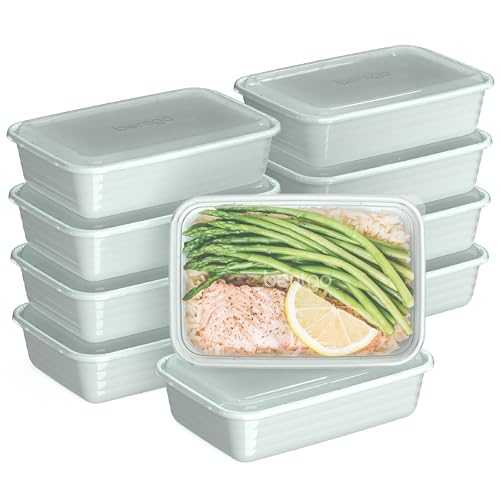
Bentgo Prep – 20-Piece 1-Compartment Reusable Meal Prep Containers with Lids, PFAS & BPA Free Materials, Durable, Microwave, Freezer, & Dishwasher Safe To Go Food Storage (Mint)
#1 Brand Pick for Meal Prep Containers: Bentgo is the top pick for meal prep containers!* This lightweight,…
As an affiliate, we earn on qualifying purchases.
As an affiliate, we earn on qualifying purchases.
Frequently Asked Questions
How Do I Ensure All Ingredients Are Truly Halal?
You guarantee all ingredients are truly halal by sourcing them from certified suppliers and checking labels carefully. Always ask for halal certificates and verify that the products meet halal standards. Keep a record of certifications and regularly review supplier credentials. Educate your staff about halal requirements, and avoid cross-contamination by separating halal from non-halal items. Staying diligent and informed helps guarantee your ingredients remain authentic and compliant.
Can Zero-Waste Practices Affect Halal Certification?
Think of zero-waste practices as a delicate dance with tradition; they can influence halal certification if not carefully managed. You need to guarantee all packaging, utensils, and ingredients meet halal standards, avoiding contamination or cross-contact. By maintaining strict hygiene and sourcing responsibly, you preserve the integrity of both zero-waste goals and halal compliance. This harmony ensures your kitchen’s practices are sustainable and authentic, earning trust and certification without compromise.
What Are Budget-Friendly Zero-Waste Halal Kitchen Tips?
You can save money in your halal kitchen by planning meals ahead, which reduces waste and prevents overbuying. Use reusable containers for storage, and repurpose leftovers creatively instead of discarding them. Buy in bulk when possible, focusing on versatile ingredients, and shop locally to cut costs. Compost scraps when appropriate, and avoid single-use plastics. These small, budget-friendly steps help you maintain a zero-waste, halal-compliant kitchen sustainably.
How to Handle Waste Segregation in a Halal Kitchen?
You should set up clearly labeled bins for recyclables, compostables, and waste, making it easy for everyone to sort properly. Educate your team on halal guidelines and waste segregation practices, emphasizing the importance of avoiding cross-contamination. Regularly monitor and empty the bins to prevent overflow, and keep the area clean. By fostering a culture of responsibility and awareness, you’ll make waste segregation seamless and effective in your halal kitchen.
Are There Specific Halal-Approved Zero-Waste Packaging Options?
Yes, there are halal-approved zero-waste packaging options. You can choose biodegradable containers made from plant-based materials like cornstarch or sugarcane bagasse. Reusable wraps and beeswax cloths are also great for storing food. Always verify labels to guarantee they meet halal standards, and source from suppliers committed to sustainability. These choices help you reduce waste while maintaining halal compliance, making your kitchen both eco-friendly and trustworthy.

Glass Food Storage Jars 37 oz Set of 6,Glass Storage Containers Clear Glass Food Canister with Bamboo Lid Airtight For Serving Tea, Coffee, Flour, Sugar, Candy, Cookie, Spice and More (Square)
AIRTIGHT SEAL FOR FRESH STORAGE:Glass food storage jars with secure lids designed to create an airtight seal that…
As an affiliate, we earn on qualifying purchases.
As an affiliate, we earn on qualifying purchases.
Conclusion
By embracing these practical steps, you can create a zero-waste halal kitchen that’s both sustainable and respectful of your values. Remember, “A journey of a thousand miles begins with a single step,” so start small and stay consistent. Every effort counts, and soon you’ll see how your mindful choices not only reduce waste but also honor your faith. Keep moving forward—your kitchen and the planet will thank you for it.

EPICA Countertop Compost Bin Kitchen | 1.3 Gallon | Odorless Composting Bin with Carbon Filters | Indoor Compost Bin with Lid | Stainless Steel Kitchen Composter for Food Scraps & Waste Recycling
FEATURED IN BON APPETIT & FORBES: Recognized by renowned magazines, EPICA’s compost bin is a perfectly sized marvel…
As an affiliate, we earn on qualifying purchases.
As an affiliate, we earn on qualifying purchases.
zero waste halal kitchen tools
As an affiliate, we earn on qualifying purchases.
As an affiliate, we earn on qualifying purchases.