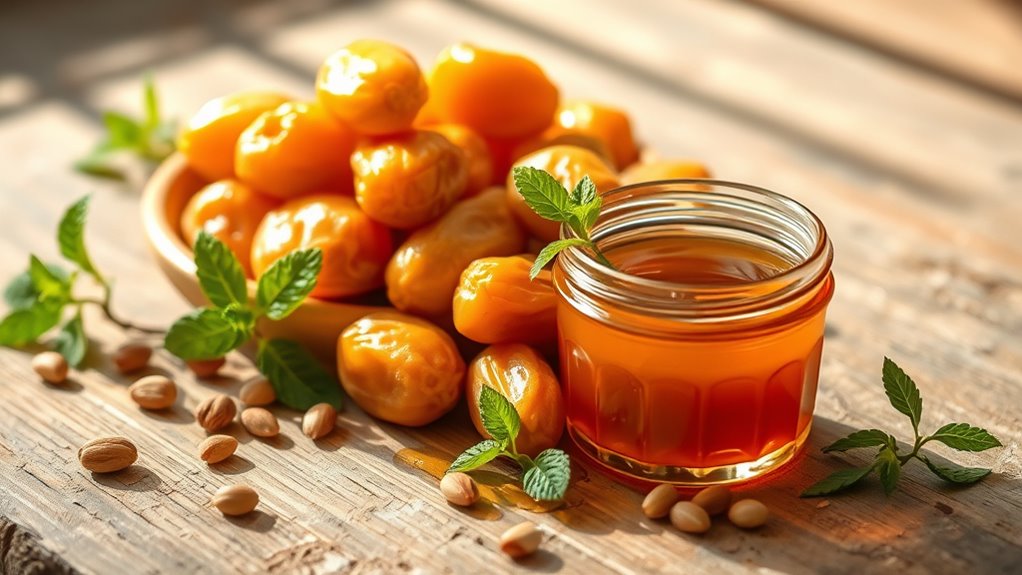

Sunnah foods like dates and honey offer you numerous health benefits. Dates are fiber-rich, helping digestion and providing quick energy, perfect for breaking fast. Honey acts as a natural sweetener with antibacterial properties, boosting your immune system. Olive oil enhances heart health, while barley promotes digestion and cholesterol management. Incorporating these foods enriches your diet and connects you to cultural traditions. You’ll discover even more benefits as you explore their roles in a healthy lifestyle.
Key Takeaways
- Dates provide high fiber content that supports digestion and offers quick energy, making them ideal for breaking fast during Ramadan.
- Honey acts as a natural sweetener with antibacterial and anti-inflammatory properties, enhancing health when added to various foods.
- Olive oil is rich in monounsaturated fats and antioxidants, promoting heart health and reducing the risk of chronic diseases.
- Barley is a whole grain that aids digestion and helps maintain healthy cholesterol levels, making it a nutritious addition to meals.
- Incorporating these Sunnah foods enriches diets with both health benefits and cultural significance, promoting mindful eating habits.
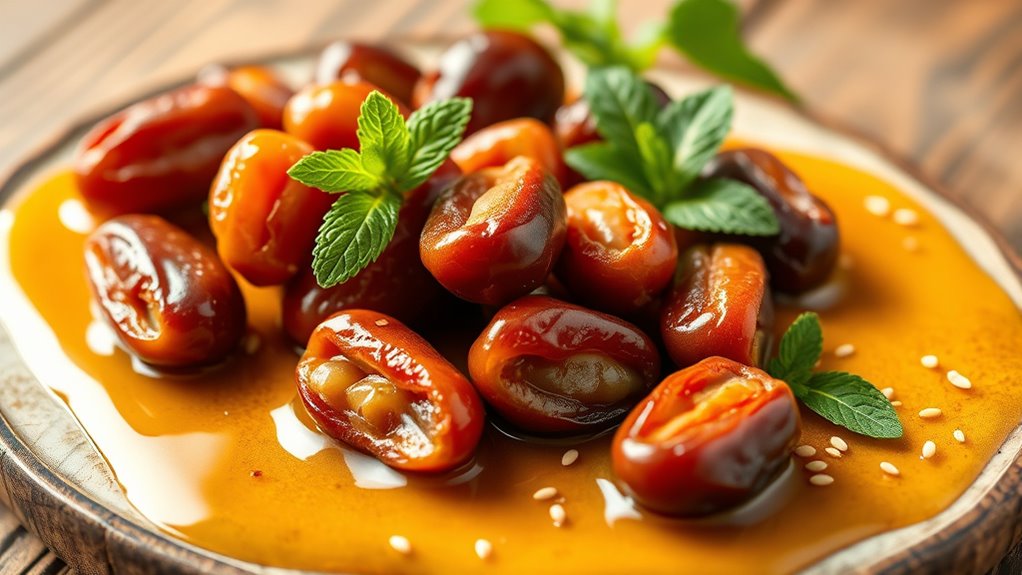
When you incorporate Sunnah foods into your diet, you’re not just following a tradition; you’re also embracing a range of health benefits. Foods like dates and honey have been consumed for centuries and are celebrated for their nutritional value and traditional uses. By adding these items to your meals, you can enhance your overall well-being while connecting with a rich cultural heritage.
Incorporating Sunnah foods like dates and honey enriches your diet with health benefits and cultural heritage.
Take dates, for example. They’re not just a sweet treat; they pack a powerful punch of nutrients. Rich in fiber, vitamins, and minerals, dates help support digestion and provide a quick energy boost. They’re often used to break fast during Ramadan, which speaks to their historical significance. Incorporating dates into your daily routine can help regulate blood sugar levels, making them a smart choice for anyone looking to maintain steady energy throughout the day.
Then there’s honey, another staple of Sunnah foods. Honey’s not just a natural sweetener; it’s also known for its antibacterial and anti-inflammatory properties. You might find that adding a spoonful of honey to your tea or yogurt can elevate your health game. The traditional uses of honey in various cultures highlight its versatility; from soothing sore throats to serving as a natural remedy for wounds, its benefits are numerous. Plus, it’s a fantastic source of antioxidants, which can help your body fight off free radicals.
Moreover, you might want to contemplate incorporating olive oil, another Sunnah food, into your meals. This healthy fat is rich in monounsaturated fats and antioxidants, making it a staple in many Mediterranean diets. Olive oil supports heart health and can help reduce the risk of chronic diseases. Drizzling it over salads or using it in cooking can enhance both the flavor and nutritional value of your meals. Additionally, the role of antioxidants in olive oil contributes to its protective effects against various health issues.
Finally, don’t overlook the benefits of consuming barley. Traditionally used in various cuisines, barley is a whole grain that’s high in fiber and can aid in digestion. It’s known to help maintain healthy cholesterol levels, making it an excellent addition to your diet. Whether you enjoy it as a side dish or in soups, barley offers numerous health advantages.
Incorporating these Sunnah foods into your diet isn’t just about tradition; it’s a step towards a healthier lifestyle. By choosing foods with rich nutritional value and understanding their traditional uses, you can transform your meals and improve your well-being.

Terrasoul Superfoods Organic Medjool Dates, 2 Lbs – Soft Chewy Texture | Sweet Caramel Flavor | Farm Fresh
Terrasoul Superfoods Organic Medjool Dates, 2 Pounds
As an affiliate, we earn on qualifying purchases.
As an affiliate, we earn on qualifying purchases.
Frequently Asked Questions
Can I Substitute Dates With Other Fruits in Recipes?
Yes, you can substitute dates with other fruits in recipes! Consider using fruit alternatives like figs, raisins, or dried apricots for a similar sweetness and texture. When making recipe modifications, keep in mind that different fruits may have varying moisture levels, so you might need to adjust other ingredients accordingly. Experimenting with these substitutes can lead to delicious new flavors while still maintaining the essence of your original dish. Enjoy your cooking!
Are There Any Side Effects of Consuming Honey?
Yes, there can be side effects of consuming honey. If you have honey allergies, you might experience allergic reactions like itching or swelling. Additionally, honey can impact your blood sugar levels, so if you have diabetes or insulin sensitivity, you should monitor your intake closely. While honey has many benefits, it’s essential to enjoy it in moderation and be aware of how your body reacts to it. Always consult a healthcare professional if unsure.
How Should I Store Dates for Maximum Freshness?
To store dates for maximum freshness, keep them in an airtight container in a cool, dark place. If you want to extend their shelf life, consider refrigerating them. You can also freeze dates for longer storage; just thaw them when you’re ready to enjoy. These storage tips help maintain their texture and flavor, ensuring you get the best experience. Remember, freshness preservation is key to enjoying dates at their finest!
Can Children Eat Honey Before Age One?
You might be surprised to learn that children shouldn’t eat honey before age one. It can contain spores that lead to botulism, a serious illness. When considering children’s nutrition, it’s essential to be cautious. While honey is delicious and healthy for older kids, introducing it too soon can pose risks, including potential honey allergies. So, wait until they’re at least a year old to enjoy this sweet treat safely!
Are There Specific Sunnah Foods for Weight Loss?
Yes, there are specific Sunnah foods that can aid in weight loss. You can focus on foods like whole grains, fruits, and vegetables, which align with traditional dietary guidelines. Preparing these foods in a healthy way enhances their benefits. For instance, using olive oil instead of processed fats while cooking can support your weight loss journey. Incorporating lentils and chickpeas into your meals also adds protein and fiber, helping you feel full longer.

Manukora Raw Manuka Honey MGO 50+, New Zealand Honey, Non-GMO, 3rd-Party Tested, Glyphosate Residue Free Certified, 2000+ Natural Compounds, Traceable from Hive-to-Hand, Daily Wellness Support – 250g
PREMIUM NEW ZEALAND MANUKA HONEY — MGO 50+: Harvested from pristine Manuka forests in New Zealand, this raw,…
As an affiliate, we earn on qualifying purchases.
As an affiliate, we earn on qualifying purchases.
Conclusion
Incorporating sunnah foods like dates and honey into your daily diet can lead to delightful discoveries of health and happiness. These natural treasures not only nourish your body but also nurture your spirit. By embracing these ancient edibles, you’re beginning a journey of wellness, where the sweetness of life flourishes. So, savor the scrumptious sustenance of sunnah foods, and let their potent properties pave the path to a healthier, happier you.
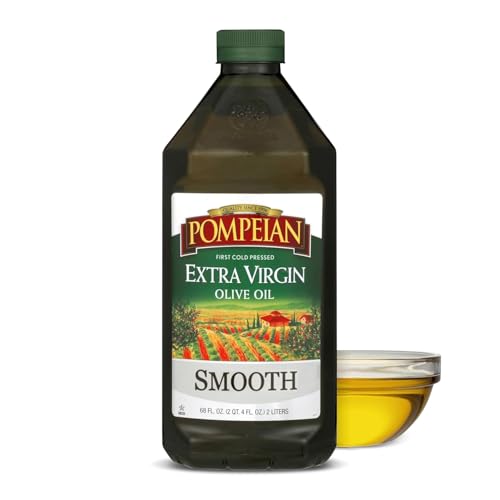
Pompeian Smooth Extra Virgin Olive Oil – 68 fl oz – 2 L – First Cold Pressed Olive Oil for Cooking – Smooth Taste for Sauteing, Stir-Frying, and Baking
SMOOTH EXTRA VIRGIN OLIVE OIL: Expertly crafted by The Olive Oil People using first cold pressed olives, Smooth…
As an affiliate, we earn on qualifying purchases.
As an affiliate, we earn on qualifying purchases.
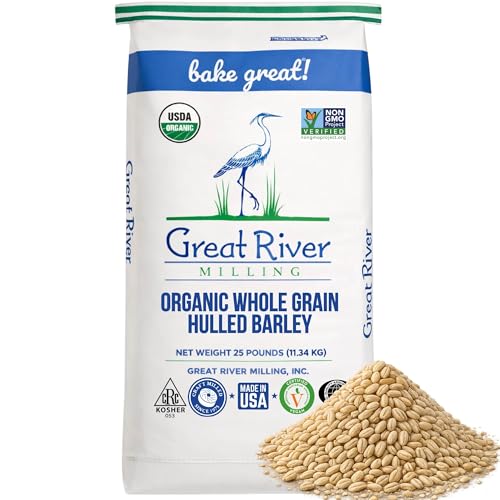
Great River Milling Organic Hulled Barley Grain | Whole Grain Barley for Home Milling, Cooking, and Baking | High Fiber, Non GMO, Kosher | 25 Lb
Chewy, satisfying grain: Hulled barley retains its bran layer, offering rich texture, high fiber, and earthy flavor in…
As an affiliate, we earn on qualifying purchases.
As an affiliate, we earn on qualifying purchases.