The Islamic calendar includes 12 lunar months, each essential for spiritual and cultural identity. You’ll notice that months like Muharram focus on reflection, while Ramadan emphasizes fasting and community. Significant events like Eid al-Fitr and Eid al-Adha depend on moon sightings, adding excitement to celebrations. This calendar shapes personal milestones and community activities, reinforcing traditions tied to the lunar cycle. If you’re curious about the individual months and their specific meanings, you’ll find even more to explore.
Key Takeaways
- The Islamic calendar consists of 12 lunar months, with each month lasting 29 or 30 days depending on moon sighting.
- Key months include Muharram for reflection, Ramadan for fasting, and Dhul-Hijjah for the Hajj pilgrimage.
- Festivals like Eid al-Fitr and Eid al-Adha are celebrated based on the lunar calendar and moon sighting, creating anticipation among communities.
- The calendar’s structure influences cultural practices, religious observances, and personal milestones in the lives of Muslims worldwide.
- It fosters a sense of community and shared history, reflecting the intertwining of faith, culture, and lunar cycles in daily life.
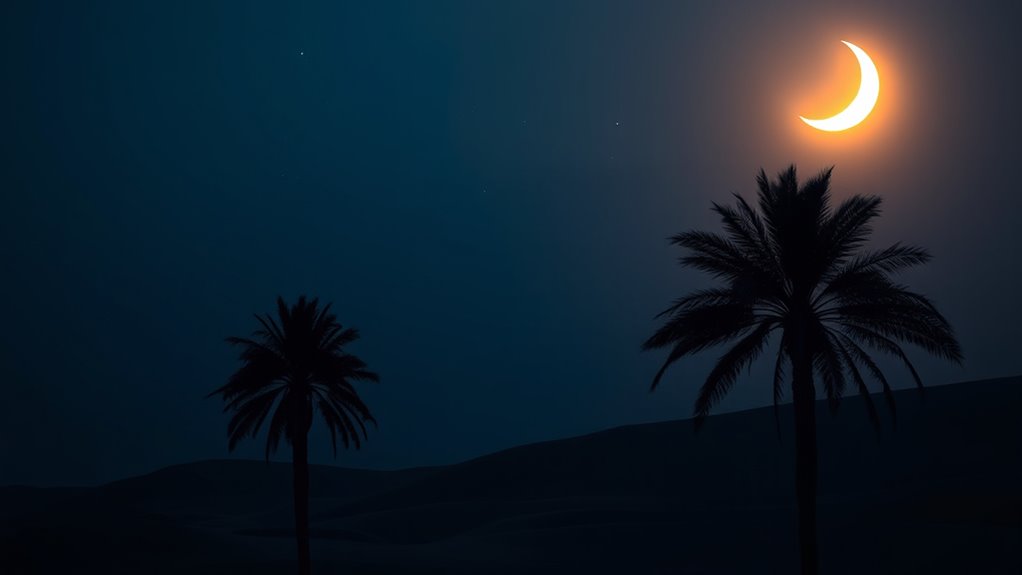
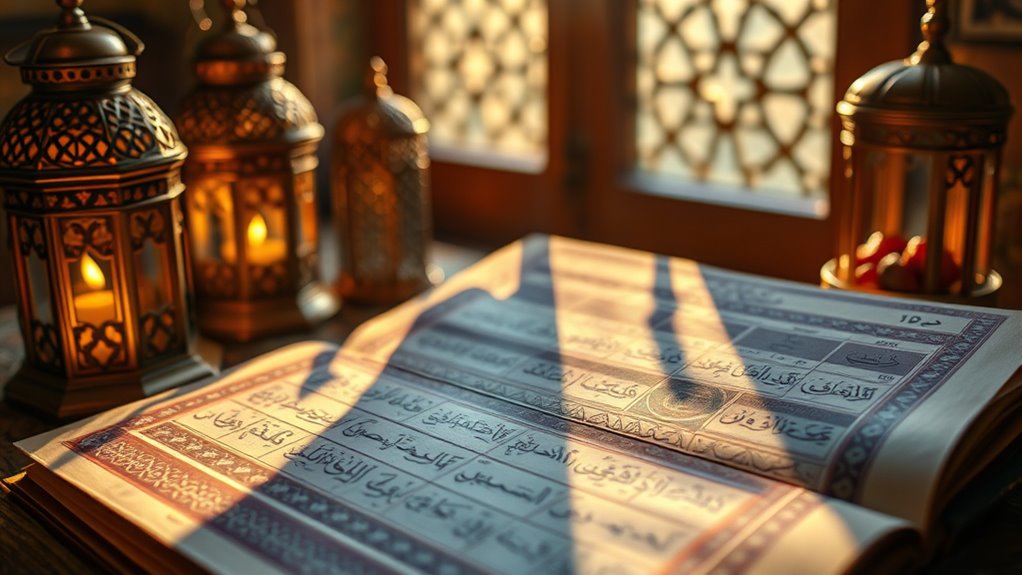
Have you ever wondered how the Islamic calendar works? It’s quite fascinating, as it’s based on the lunar cycle. The Islamic calendar, also known as the Hijri calendar, consists of 12 months that align with the moon phases. Each month has either 29 or 30 days, depending on the sighting of the moon. This makes the Islamic year about 10 to 12 days shorter than the Gregorian calendar, which is why Islamic months shift annually.
The Islamic calendar, rooted in the lunar cycle, beautifully intertwines faith and culture through its shifting months.
The first month of the Islamic calendar is Muharram, a period of reflection and mourning for many Muslims, particularly during Ashura. As the year progresses, you’ll find months filled with different cultural festivals and observances. For instance, Ramadan, the ninth month, is incredibly significant, as it’s the month of fasting. You might notice that the dates of Ramadan vary each year, moving earlier in the Gregorian calendar due to the lunar nature of the Islamic months.
Eid al-Fitr, the festival marking the end of Ramadan, is celebrated with joy and feasting. You may find it interesting how the entire community comes together during this time, reinforcing bonds and sharing meals. The sighting of the new moon is essential for determining the beginning of Ramadan and Eid, which adds an element of excitement and anticipation to these occasions.
Another important month is Dhul-Hijjah, the twelfth month, during which the Hajj pilgrimage takes place. This month culminates in Eid al-Adha, a celebration of sacrifice and charity. Just like Ramadan, the dates for these events can shift, affecting how and when you might celebrate with your loved ones. Many people plan their year around these significant months, showcasing the cultural importance of the Islamic calendar in daily life.
As you explore the Islamic calendar, you’ll realize that it’s more than just a way to keep track of time; it’s a reflection of faith and culture. The connection between the moon phases and the months enriches the experience of observing various festivals and rituals. Whether you’re taking part in Ramadan, enjoying the festivities of Eid, or simply noting the passage of time, understanding the Islamic calendar helps you appreciate its depth and significance in the lives of millions. Additionally, the meanings of these months can be seen as a form of prophetic dreams that guide believers in their spiritual journey. So, as the moon waxes and wanes, remember the stories and traditions that each month brings.
Top picks for "understand islamic calendrical"
Open Amazon search results for this keyword.
As an affiliate, we earn on qualifying purchases.
Frequently Asked Questions
How Do Islamic Months Affect Farming and Harvest Cycles?
Islamic months affect your farming and harvest cycles considerably. You’ll find that crop planting often aligns with the lunar calendar, helping you determine the best times for sowing seeds. The harvest timing also relies on these months, ensuring that you gather your crops at their peak. By following the Islamic months, you can maximize yields and maintain a sustainable farming rhythm, adapting your practices to the changing seasons and environmental conditions.
What Are the Differences Between Lunar and Solar Calendars?
A lunar calendar relies on the moon’s phases, while a solar calendar is based on the Earth’s orbit around the sun. You’ll notice that the lunar calendar has about 354 days, causing it to shift annually through seasons. In contrast, the solar calendar consistently stays aligned with the seasons, totaling 365 days. So, if you’re planning activities, understanding these differences helps you choose the right calendar for your needs.
How Do Islamic Months Influence Cultural Festivals?
Islamic months heavily influence cultural celebrations by dictating when traditional customs occur. For instance, you’ll find Eid al-Fitr and Eid al-Adha tied to specific lunar months, marking joyous occasions with feasting and community gatherings. These months also inspire local customs, rituals, and family traditions, making each celebration unique. By embracing these lunar cycles, you connect with a rich cultural heritage that shapes your community’s identity and enhances the festive spirit.
Are There Specific Rituals for Each Islamic Month?
Yes, there are specific rituals for each Islamic month. You’ll find that each month holds its own unique spiritual observances, like Ramadan’s fasting or Muharram’s remembrance of Ashura. Monthly rituals often involve prayer, community gatherings, and acts of charity. By participating in these practices, you deepen your spiritual connection and enhance your understanding of faith. Engaging in these observances can bring a sense of peace and purpose to your life.
How Do Islamic Months Impact International Business Practices?
Islamic months substantially impact international business practices by influencing business scheduling and holiday planning. You’ll find that many companies adjust their operations around important Islamic months, such as Ramadan, when work hours may shorten and business activities might slow. Understanding these months helps you navigate partnerships and negotiations in mainly Muslim countries, ensuring that you respect cultural practices and optimize your business strategies for more effective collaboration and communication.
Conclusion
As you explore the Islamic months, think of them as a garden, each month a unique flower blooming with its own significance. Just like how Ramadan teaches you patience and compassion, the month of Hajj invites you to seek unity and purpose. Embracing these months enriches your spiritual journey, much like tending to a garden nurtures growth. So, take the time to appreciate each bloom, and watch your understanding of faith flourish beautifully.