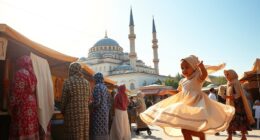
Ramadan’s traditions vary widely across cultures, making the month truly unique. In Turkey, you’ll find families sharing Turkish delight and simit during lively gatherings. Indonesia boasts bustling street markets with delicious kolak and rendang, emphasizing community spirit. Middle Eastern countries feature iftar meals filled with rich flavors and laughter. Each celebration highlights local customs, fostering unity and connection. Discover more vibrant practices and how different cultures embrace this sacred month.
Key Takeaways
- In Turkey, families enjoy Turkish delight and simit during communal iftar gatherings, highlighting hospitality and community bonds.
- Indonesia’s vibrant street markets showcase traditional foods like rendang and kolak, promoting unity through shared meals and communal invitations.
- Middle Eastern celebrations feature lively gatherings with traditional foods, storytelling, and the aroma of spices, emphasizing family connections and cultural richness.
- Ramadan fosters open communication about feelings, enhancing relationships and unity across diverse communities through shared meals and fellowship.
- Unique customs and traditions during Ramadan reflect local heritage, strengthening faith and community ties while celebrating cultural diversity worldwide.

Have you ever wondered how Ramadan is celebrated across different cultures? This holy month of fasting, reflection, and community brings unique traditions to life around the world. Each culture adds its own flavor to the spiritual journey, turning Ramadan into a mosaic of vibrant practices that reflect local customs and values.
Ramadan is a vibrant tapestry of diverse traditions, reflecting the unique customs and values of cultures worldwide.
In many Middle Eastern countries, you’ll find that the nights become alive with cultural celebrations. The call to prayer signals the end of fasting, and families gather for iftar, the meal that breaks their fast. Traditional foods play a significant role in these gatherings. You might enjoy dates, a staple for breaking fast, often paired with rich, hearty soups and various meat dishes. In Egypt, for example, you’d likely savor koshari, a comforting mix of rice, lentils, and pasta topped with spicy tomato sauce. The atmosphere is filled with laughter, storytelling, and the aroma of spices wafting through the air.
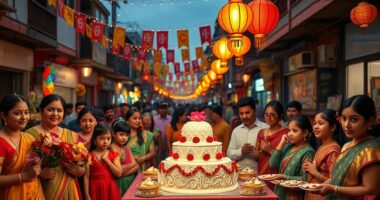
Traveling to Turkey, you might find Ramadan’s essence encapsulated in the famous Turkish delight and simit, a sesame-encrusted bread. The evenings are often filled with long gatherings where friends and family come together to share their meals and create lasting memories. The warmth of hospitality shines through as it’s common for people to invite neighbors over to join in the celebration.
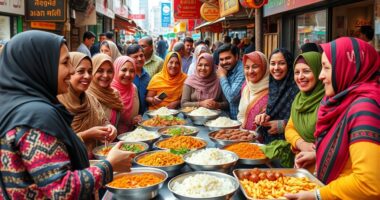
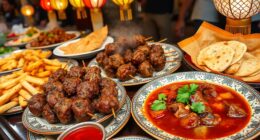
In Indonesia, the world’s largest Muslim-majority country, Ramadan takes on a lively spirit. You’ll notice vibrant street markets bustling with vendors selling traditional foods like kolak, a sweet dessert made from bananas, coconut milk, and palm sugar. You might also encounter the delicious rendang, a spicy meat dish that has become a favorite among locals. The communal aspect of Ramadan is evident here, as families will often invite others to join their iftar, fostering a sense of unity and togetherness.
As you explore these diverse traditions, you’ll realize that Ramadan isn’t just about fasting; it’s about strengthening bonds and sharing joy through food and fellowship. Each culture offers a unique lens into how people express their faith, celebrate their heritage, and connect with one another during this sacred month. In many communities, open communication about feelings during Ramadan fosters closer relationships and enhances the spirit of togetherness. So, whether you’re breaking bread in a local community or sharing a meal across continents, you’re part of a larger tapestry of cultural celebrations that enrich the spirit of Ramadan.

Cerez Pazari Turkish Delight In 4 Flavours, With Pistachio, Hazelnut & Walnut, Assorted Gourmet Lokum In Elegant Tin Gift Box, Sweet Traditional Soft Candy Dessert 25 Pcs, 1.1 lb (500g)
DELICIOUS GOURMET TURKISH DELIGHT WITH 4 EXOTIC FLAVOURS: Amazing Pomegranate, Rose, Strawberry and Fig taste Turkish Delight Lokum…
As an affiliate, we earn on qualifying purchases.
As an affiliate, we earn on qualifying purchases.
Frequently Asked Questions
How Do Non-Muslims Participate in Ramadan Celebrations?
Non-Muslims can participate in Ramadan celebrations by engaging in interfaith dialogues, fostering understanding and respect. You might join local events or community gatherings, sharing meals or attending iftar dinners. Cultural adaptations can also enrich your experience, as you explore traditional foods and customs. Volunteering at charity events during this month shows support and solidarity, allowing you to connect with your Muslim neighbors and learn more about their practices and beliefs.
What Is the Significance of the Crescent Moon in Ramadan?
The crescent moon holds deep symbolism during Ramadan, marking the start of the holy month. You’ll notice its significance in the lunar calendar, as it signals the sighting of the new moon, which determines the timing of fasting. This celestial event reminds you of renewal and spirituality, guiding your reflections. Embracing the crescent moon’s presence helps you connect with the rhythm of time and the importance of faith during this sacred period.
Can Children Fast During Ramadan?
Absolutely, children can fast during Ramadan, but it’s usually encouraged for young observers to start gradually. Think of it like training for a marathon; you wouldn’t sprint on day one! Many families introduce fasting by having their children skip a meal or fast for part of the day. This way, they learn its significance without overwhelming themselves. It’s a beautiful journey that fosters understanding and connection to their faith as they grow.
How Is Ramadan Affected by Geographical Location?
Ramadan’s influence varies greatly based on geography. Depending on where you are, cultural variations shape traditions, meal times, and communal practices. For instance, in northern regions, long daylight hours can make fasting more challenging, while in southern areas, shorter days might ease the experience. You’ll also notice different foods and rituals that reflect local customs. These geographical influences create a rich tapestry of experiences during this holy month.
What Are Common Misconceptions About Ramadan?
You might think fasting during Ramadan means Muslims spend the month starving, but that’s a common misconception. In reality, it’s a time for spiritual growth and community bonding, not just hunger. Many believe it’s solely about deprivation, overlooking the rich cultural traditions and feasting that follow each day’s fast. These cultural misunderstandings can lead to a skewed perception of Ramadan, missing its essence of reflection, gratitude, and togetherness.

Superbaking Sourdough Starter Kit, 9" Round Banneton Bread Proofing Basket Set, Sourdough Bread Baking Supplies, Sourdough Tools with Silicone Bread Sling, Bread Making Tools, Baking Gifts
A COMPLETE BAKER'S KIT: Master every step with confidence. Our curated baking accessories include a proofing basket, bread…
As an affiliate, we earn on qualifying purchases.
As an affiliate, we earn on qualifying purchases.
Conclusion
As you explore Ramadan traditions around the globe, it’s fascinating to note that over 1.9 billion Muslims participate in this holy month each year. From lively iftar gatherings in the Middle East to unique prayers in Southeast Asia, each culture adds its own flavor to the fasting experience. Whether you’re enjoying a special meal or partaking in community prayers, these diverse customs remind us of the unity and shared values that bind Muslims worldwide.
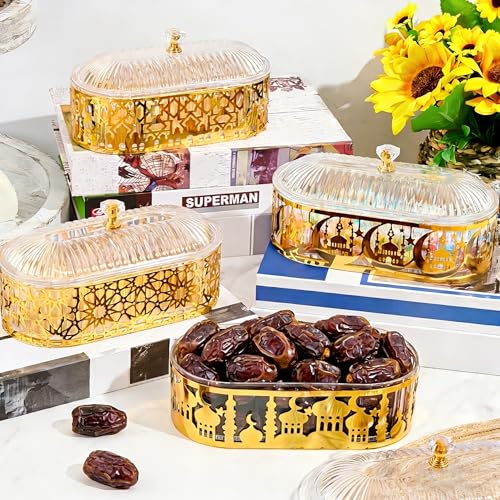
BruinBang 4 Pcs Ramadan Dates Holder Golden 7.2" Acrylic Vintage Platter Metal Eid Al-fitr Dessert Plate Serving Dish Trays with Clear Dome Lid Embossed Patterns for Ramadan Party Table Decoration
Elegant Design: This 4-piece gold Ramadan tray with lids blends iconic Islamic imagery, plus exquisite hollow patterns; Its…
As an affiliate, we earn on qualifying purchases.
As an affiliate, we earn on qualifying purchases.

Indonesian 7 Seas Spice Mix Tin
Indonesian Seven Seas Spice Mix
As an affiliate, we earn on qualifying purchases.
As an affiliate, we earn on qualifying purchases.