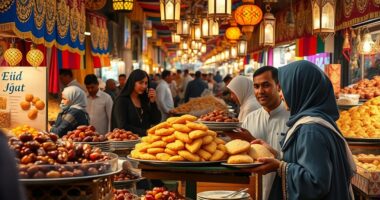
Halal food culture in the Middle East beautifully merges age-old traditions with modern culinary innovations. You’ll find that meals aren’t just about sustenance; they’re a celebration of community and faith. Traditional recipes are often enhanced with contemporary cooking techniques, offering a delightful blend of flavors. Sharing these meals strengthens bonds among family and friends, reflecting the region’s rich cultural identity. Curious about the diverse dishes and unique dining experiences that await you? Keep exploring to uncover more!
Key Takeaways
- Halal food is integral to Middle Eastern culture, reflecting faith, tradition, and community values through shared meals and social bonds.
- The halal certification process ensures compliance with Islamic laws, emphasizing humane animal treatment and ethical food preparation standards.
- Innovative culinary techniques, such as sous-vide, are being combined with traditional halal recipes to enhance flavors while maintaining cultural integrity.
- The diverse Middle Eastern cuisine showcases a variety of flavors, influenced by regional histories and contemporary culinary trends.
- Communal dining is a key aspect of halal culture, promoting unity and hospitality during festive occasions and everyday gatherings.

As you explore the vibrant culinary landscape of the Middle East, you’ll quickly discover that halal food isn’t just a dietary guideline—it’s a cultural cornerstone. Rooted in Muslim dietary laws, halal food reflects a deep respect for tradition, spirituality, and community. For many, eating halal goes beyond the mere act of consumption; it’s about adhering to a way of life that honors faith and heritage. This becomes particularly evident when you consider how meals are prepared and shared among families and friends.
In this region, the halal certification process is meticulous, ensuring that every ingredient meets Islamic standards. You’ll find that animals are slaughtered humanely and that the utmost care is taken to avoid cross-contamination with non-halal items. This commitment to purity and ethics resonates throughout the culinary world, where chefs embrace these principles while also exploring new horizons.
Modern culinary techniques are increasingly being integrated into traditional recipes, creating a dynamic fusion of old and new. As you wander through bustling markets or dine in upscale restaurants, you’ll notice how chefs are reinterpreting classic dishes with innovative twists. For instance, you might savor a traditional lamb kebab that’s marinated in a blend of spices, then grilled using sous-vide methods for enhanced tenderness and flavor. This creative approach doesn’t compromise the essence of halal but rather celebrates it through modernity.
Moreover, the Middle East is a melting pot of cultures, and this diversity is reflected in its halal offerings. You’ll encounter an array of flavors and cooking styles, from the rich spices of Moroccan tagines to the fresh herbs of Lebanese tabbouleh. Each dish tells a story, rooted in the region’s history while embracing contemporary influences. This blending of culinary traditions creates an exciting dining experience, inviting you to explore and discover.
As you indulge in these culinary delights, you’ll also notice the communal aspect of halal dining. Meals are often shared, bringing people together around the table. This sense of togetherness is a vital element of Middle Eastern culture, reinforcing bonds among friends and family. Whether it’s during festive occasions or everyday gatherings, the act of sharing halal food fosters a spirit of unity and hospitality.
In the vibrant world of Middle Eastern cuisine, halal food transcends mere sustenance. It’s a celebration of culture, tradition, and innovation that invites you to experience the richness of this culinary landscape. So immerse yourself, savor each bite, and appreciate the stories woven into every dish.

Behome Electric Meat Grinder for Home, Sausage Stuffer and Kubbe Maker
- Powerful Motor: 2800W max, grinds 2.2 lb/min
- Multi-Function 3-in-1: Meat grinding, sausage stuffing, kubbe making
- Versatile Grinding Textures: Fine, medium, coarse plates
As an affiliate, we earn on qualifying purchases.
As an affiliate, we earn on qualifying purchases.
Frequently Asked Questions
What Are the Main Ingredients in Traditional Middle Eastern Halal Dishes?
Traditional Middle Eastern halal dishes typically feature ingredients like lamb, chicken, and fish, paired with rice, legumes, and fresh vegetables. You’ll often encounter spice blends such as za’atar and baharat, which elevate the flavors. Cooking techniques vary, with methods like grilling, roasting, and slow-cooking being common. These ingredients and techniques create a rich tapestry of tastes that reflect the region’s culinary heritage, making every meal a delightful experience.
How Do Halal Dietary Laws Differ Between Regions in the Middle East?
Halal dietary laws differ across the Middle East due to regional legal variations and cultural dietary restrictions. For instance, some countries might have stricter interpretations, emphasizing the source and slaughter methods of meat. In others, local customs can influence how halal is practiced, such as the avoidance of specific ingredients. You’ll find that understanding these differences enriches your culinary experiences and deepens your appreciation for the diverse halal traditions in the region.
Are There Halal Certifications for Restaurants Outside the Middle East?
Ever wondered if your favorite restaurant meets global restaurant standards? Yes, there are halal certifications for restaurants outside the Middle East! Many establishments worldwide seek certification to cater to Muslim diners, ensuring they follow halal dietary laws. These certifications vary by region, but they generally *guarantee* that food is prepared according to Islamic principles. So, next time you dine out, check for that halal certification to enjoy your meal with peace of mind!
What Role Does Halal Food Play in Middle Eastern Hospitality Customs?
Halal food plays a crucial role in Middle Eastern hospitality customs, showcasing cultural significance and respect for guests. When you invite someone over, serving halal meals demonstrates care for their dietary needs and beliefs. It reflects the region’s emphasis on generosity and community, as sharing food strengthens bonds. By offering delicious halal dishes, you not only honor your guests but also immerse them in the rich traditions of Middle Eastern hospitality.
How Has Globalization Influenced Halal Food Trends in the Middle East?
Globalization’s influenced halal food trends in the Middle East by introducing fusion cuisine that blends local flavors with international markets. You’ll find dishes featuring Thai spices in a traditional kebab or Italian pasta with halal meat. This culinary exchange not only diversifies your dining options but also fosters cultural appreciation. As you explore these new tastes, you’ll see how globalization enhances the region’s rich food heritage while respecting halal guidelines.
Conclusion
In the vibrant tapestry of Middle Eastern culture, halal food isn’t just a dietary choice; it’s a heartfelt tradition that binds families and communities. As you savor each bite, you’re not only tasting the rich flavors but also embracing centuries of history and innovation. The aroma of spices dances in the air, inviting you to share in a legacy of faith and togetherness. So next time you enjoy a halal meal, remember: you’re part of something truly special.