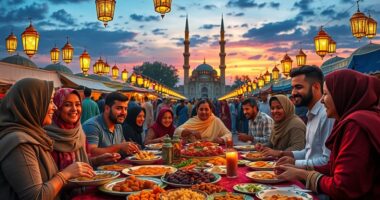
Moroccan Ramadan traditions combine food, music, and community in a lively celebration. You’ll enjoy shared meals of harira and sweet treats like chebakia after iftar, as families gather to break fast together. The night comes alive with melodious Moroccan music and bustling street vendors, creating a festive atmosphere. It’s a time for reflection, prayer, and strengthening bonds with neighbors. Discover more about this vibrant culture and the unique customs that enrich the Ramadan experience.
Key Takeaways
- Traditional Moroccan iftar begins with dates and water, followed by hearty dishes like harira, a beloved soup during Ramadan.
- Communal prayers, especially Taraweeh, foster unity and spiritual growth within the community during the holy month.
- Vibrant streets come alive with Moroccan melodies, creating a festive atmosphere during Ramadan evenings and iftar gatherings.
- Sweets like chebakia and sellou are popular treats, often enjoyed after meals, enriching the culinary experience of Ramadan.
- Shared meals and nighttime gatherings strengthen social bonds, enhancing the spirit of togetherness and community during Ramadan.

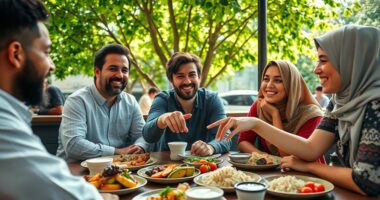
Ramadan in Morocco is a vibrant blend of spiritual devotion and rich cultural traditions. As you step into this sacred month, you’ll find that traditional fasting is not just about abstaining from food and drink; it’s a time for reflection, prayer, and connection with the community. Each day, you’ll rise before dawn to partake in a meal known as suhoor, which fuels you for the day’s fast ahead. The atmosphere buzzes with anticipation as families gather around the table, sharing food and stories in the early morning light.
Experience the vibrant spirit of Ramadan in Morocco, where fasting becomes a journey of reflection, prayer, and community connection.
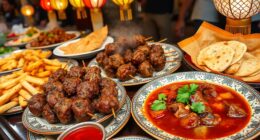
When the sun sets, the sound of the adhan, the call to prayer, fills the air, marking the end of your fast. You’ll break your fast with dates and water, following the age-old tradition of the Prophet Muhammad. After that first sip, you’ll savor a hearty meal called iftar, often featuring harira, a traditional Moroccan soup made of tomatoes, lentils, and spices. The delightful aroma wafts through the streets, drawing neighbors and friends together to share in the experience.
Communal prayers are a significant part of Ramadan, and you’ll find the local mosques bustling with activity. Each evening, you’ll join fellow worshippers for Taraweeh prayers, which are held in congregation. It’s a time when the community gathers, united in faith and devotion. The spirit of togetherness is palpable as you stand shoulder to shoulder with others, all focused on spiritual growth and connection.
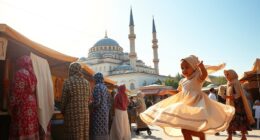
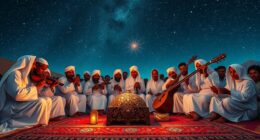
You’ll also notice that the nights of Ramadan come alive with more than just prayers. Music fills the air, with traditional Moroccan melodies often played during iftar gatherings, creating an atmosphere of joy and celebration. Street vendors set up stalls, offering an array of sweets, like chebakia and sellou, which are enjoyed after the evening meal. The streets are lit up, and you’ll see families walking together, sharing laughter and warmth.
As Ramadan unfolds, you’ll find that this month is as much about nurturing your relationship with God as it is about strengthening bonds with your community. High refresh rates are essential for enhancing the overall atmosphere during communal festivities, making the shared experiences even more enjoyable. You’ll create memories over shared meals, prayers, and stories that deepen your understanding of Moroccan culture and the importance of unity. Embrace the spirit of Ramadan, and you’ll discover a fulfilling journey that intertwines faith, food, and friendship in the heart of Morocco.
Top picks for "moroccan ramadan tradition"
Open Amazon search results for this keyword.
As an affiliate, we earn on qualifying purchases.
Frequently Asked Questions
How Do Moroccan Families Prepare for Ramadan in Advance?
To prepare for Ramadan, you’ll want to start with Ramadan meal planning, ensuring you stock up on essentials and plan nutritious meals for iftar. Families often gather to discuss menus and share recipes. You might also establish family prayer routines, setting aside specific times for prayers and reflection. Engaging in these activities together strengthens bonds and helps everyone feel the spirit of Ramadan before it even begins.
What Are Common Misconceptions About Ramadan in Morocco?
Many Ramadan misconceptions suggest that Moroccans only focus on fasting and prayer, ignoring community and celebration. In reality, you’ll find rich cultural traditions that embrace togetherness and joy during this holy month. Cultural misunderstandings often overlook the importance of family gatherings and shared meals after sunset. Don’t be fooled; Ramadan in Morocco is a vibrant tapestry of spirituality and social connection, where the spirit of unity brings people closer together.
How Does Ramadan Affect Daily Life in Morocco?
Ramadan substantially affects your daily life in Morocco. You’ll notice work schedule adjustments, with many businesses operating shorter hours to accommodate fasting. Social gathering customs shift too; evenings become lively as families and friends come together to break their fast. You’ll often find bustling markets and iftars filled with delicious food, enhancing the community spirit. This month brings a sense of unity and reflection, transforming your daily routine into a more communal experience.
Are There Any Unique Ramadan Traditions in Different Moroccan Regions?
Each region in Morocco paints a vibrant tapestry of Ramadan traditions. In the coastal cities, you’ll savor fresh seafood dishes during iftar, while the Atlas mountains showcase hearty tagines filled with local ingredients. You might witness traditional celebrations, like the mesmerizing drum performances in the south, echoing through the streets. As the sun sets, the aroma of regional culinary specialties fills the air, creating a unique atmosphere of community and festivity wherever you are.
How Do Non-Muslims Participate in Ramadan Celebrations in Morocco?
You can engage in interfaith participation during Ramadan in Morocco by joining community events, sharing meals, or attending cultural gatherings. Many non-Muslims are welcomed to break fast with their Muslim friends, fostering cultural integration. You might also enjoy traditional music or art performances that celebrate the spirit of Ramadan. By showing respect and interest, you’ll deepen your understanding of this significant month and strengthen bonds within the community.
Conclusion
In Morocco, Ramadan isn’t just a month of fasting; it’s a vibrant celebration filled with food, music, and community spirit. You can almost feel the warmth of shared meals and the joy of gathering with loved ones. As the sun sets, the streets come alive with laughter and melodies, reminding you that this sacred time strengthens bonds and fosters unity. Isn’t it beautiful how a month focused on reflection can also bring so much joy and connection?